Facial Varicose Veins: The Said and the Unsaid, from Diagnosis to Treatment
Facial varicose veins can have various causes, ranging from an external factor like temperature shock to an internal factor such as hormonal changes or nutrition. But whatever the cause, its treatment with laser is possible.



Facial varicose veins can have various causes, ranging from an external factor like temperature shock to an internal factor such as hormonal changes or nutrition. But whatever the cause, its treatment with laser is possible.
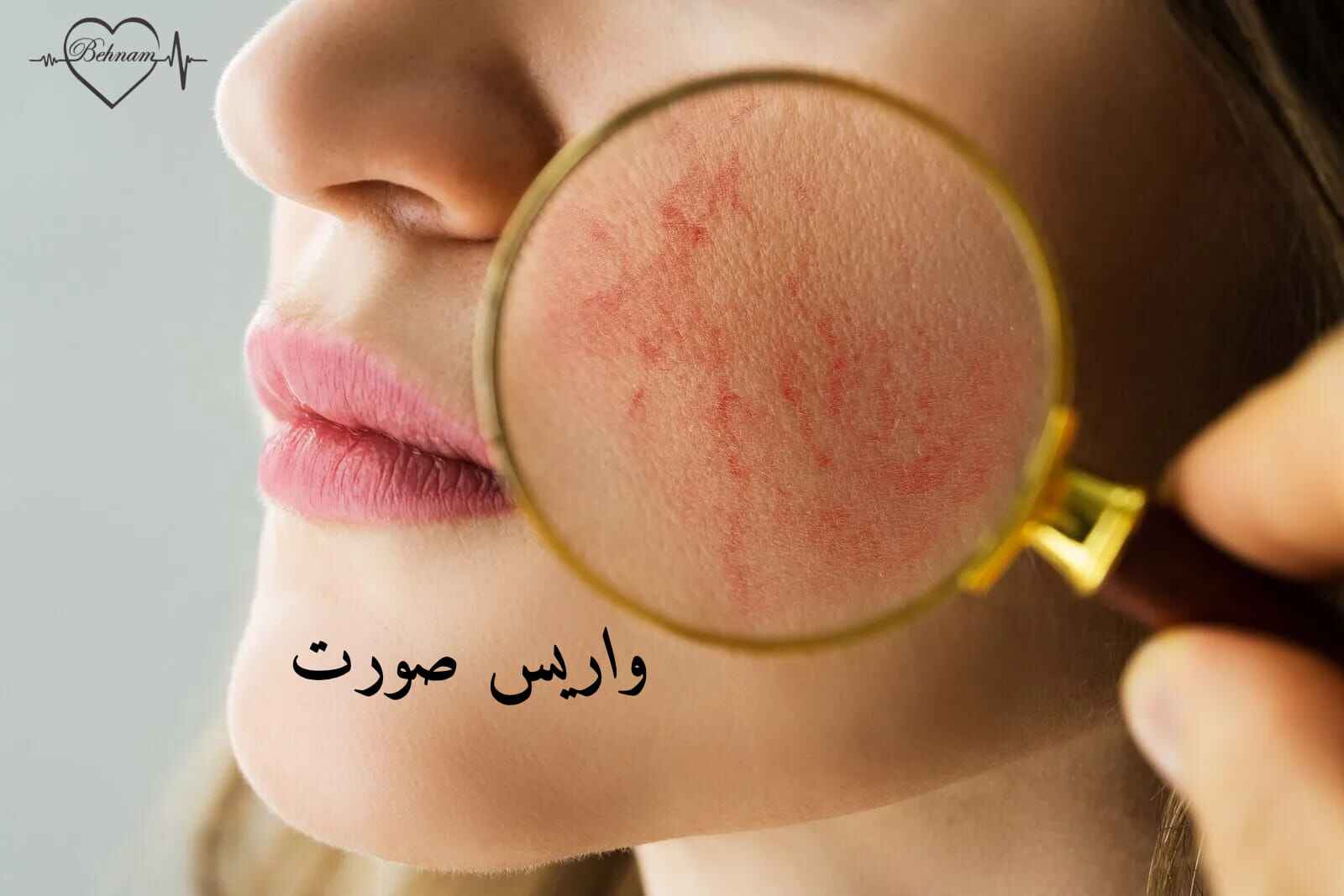
If you've noticed fine red or purple lines on your cheeks, around your nose or on your chin in the mirror, you're probably wondering where these bothersome lines came from and how to get rid of them!
These lines, medically termed "Telangiectasia" and commonly known as facial varicose veins or broken capillaries, are more than just a simple cosmetic concern. For many, these veins symbolize premature aging or extreme fatigue and can be difficult to cover even with the heaviest makeup or cosmetic powders.
But the important point is that your facial skin is sending you a message. These veins may indicate thinning of the dermis layer, accumulated environmental damage, or even internal bodily changes. In this article, we will dissect the hidden layers of this condition, not only to treat them but also to prevent their recurrence.
What Causes Facial Varicose Veins?
Unlike leg varicose veins, which result from valve insufficiency and weak vein walls, facial varicose veins have a completely different mechanism. Many patients assume facial varicose veins are merely a random or hereditary occurrence, but the truth is that a combination of environmental, behavioral and biological factors play a role. Here are all the scientific reasons:
1. Mechanical Stress and Microtrauma
Facial skin, unlike other parts of the body, has capillaries very close to the surface.
Mistakes in Skincare Routine: Using physical scrubs with coarse particles (like apricot kernels) or high-speed electric cleansing brushes can cause intense vibration and pressure on capillary walls.
Daily Habits: Popping pimples, aggressive facial massages (without lubricating oil) and even prolonged sleeping on one side of the face, causing constant pressure on the capillaries of one area, can lead to permanent stretching of the vessel walls.
2. Thermal Shock and Temperature Fluctuations
Capillaries are like a rubber band; if stretched too much, they won't return to their original state.
Hot Water: Washing the face with hot water might feel clean, but it causes sudden dilation of blood vessels.
Hot Environments: People working in very hot environments like industrial kitchens or under the sun, or those who enjoy activities like hot yoga or saunas, are constantly exposed to vasodilation, eventually leading to the vessel locking in an open state.
3. Lifestyle and Diet
Chemicals in some foods directly affect the smooth muscles of the vessel walls.
Alcohol: A powerful vasodilator. Regular consumption can temporarily paralyze the muscles that should keep the vessel constricted, leading over time to permanent facial redness, also known as "alcohol flush" or "gin blossoms."
Spicy Foods: Capsaicin in chili peppers stimulates the body's heat receptors. To cool down, the body sends blood to the skin's surface, exacerbating facial varicose veins.
Excessive Caffeine: In some individuals, high caffeine doses can cause fluctuations in vessel diameter.
4. Biological and Hormonal Changes
Hormonal Changes: The hormone estrogen has a relaxing effect on vessel walls. This is why women during pregnancy, menopause or when taking birth control pills are more likely to develop spider veins.
Collagen Erosion: Collagen acts like a strong scaffold around capillaries. With aging, especially after 30 and collagen degradation by UV rays, this scaffold collapses. The capillaries, now unprotected, become widened and visible under the skin.
5. Use of Steroid Medications
A very important cause is the long-term use of corticosteroid creams (like Betamethasone or Hydrocortisone) for skin allergies. Steroids thin the epidermis and dermis layers, making underlying vessels as visible as a clear map.
6. Genetic and Hereditary Factors
If your parents have leg or facial varicose veins, the likelihood of your vessel walls being congenitally weaker is very high. Genetics determine how resistant your skin is to environmental damage.
7. Chronic Sneezing and Internal Pressure
Individuals with severe seasonal allergies or chronic sinusitis are more prone to capillary rupture around the nose due to the repeated pressure exerted on delicate vessels during sneezing or nose-blowing.
Difference Between Facial Varicose Veins and Rosacea
One condition often mistaken for facial varicose veins is rosacea. Consider the following differences:
Spider Veins (Telangiectasia): Distinct, well-defined lines without general skin inflammation.
Rosacea: In addition to visible vessels, the individual experiences diffuse redness, small pimples (papules/pustules) and sometimes skin burning.
Misdiagnosis can lead to incorrect treatments that might worsen rosacea. For an accurate diagnosis, you should consult a physician and not consider every visible facial vessel as a varicose vein.
Varicose Veins and Capillaries Around the Nose
This area is the most common reason for treatment visits. Veins here typically appear on the sides of the nasal ala (nostril wings) and the nasal bridge.
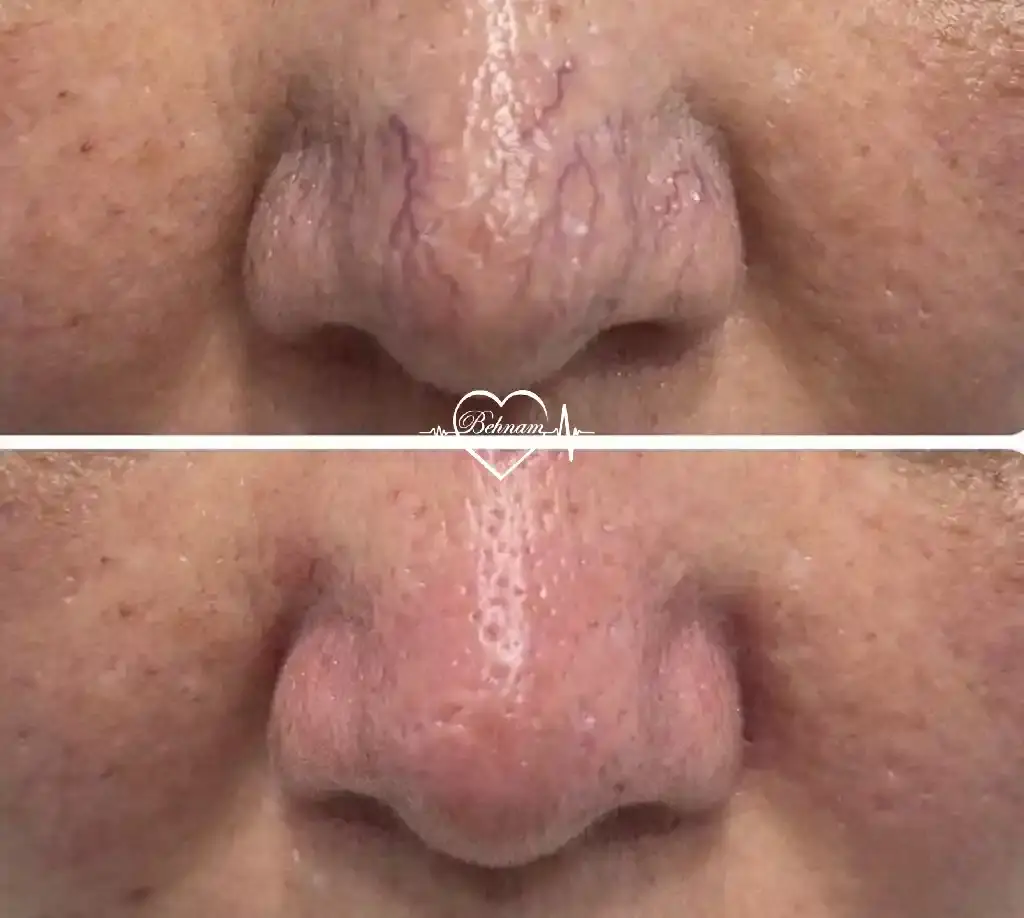
Causes:
Aggressive Extraction: Physical force to extract blackheads on the nose is a primary cause of capillary rupture in this area.
Chronic Allergies: Frequent sneezing and constant nose-blowing create mechanical stress on delicate vessels.
Temperature Changes: The nose, being prominent, is most exposed to environmental temperature variations.
Treatment Note: Veins on the nasal alae, due to their greater depth and stronger blood flow, usually respond better to Nd:YAG laser than PDL (Pulsed Dye Laser). Sometimes, the vein site may temporarily darken after treatment, which is part of the healing process.
Varicose Veins and Vessels Under the Eyes
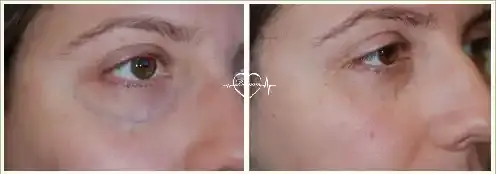
These vessels differ from "spider veins"; they are usually thicker, blue or purple and located deeper.
Causes:
Dermal Thinning: The under-eye skin is the thinnest on the body. With age-related collagen loss, the underlying veins responsible for blood drainage become visible.
Genetics: In some individuals, the vascular structure under the eyes is congenitally more superficial.
Diagnostic Distinction: These vessels should not be confused with "pigmentation-related darkness." If stretching the skin does not make the area's color disappear, the issue is pigment; but if the vessel is clearly seen, vascular treatment is needed.
Prominent Veins on the Forehead and Temple
Veins in this area usually become prominent during specific moments like laughing, anger, or exercise, but in some individuals, they appear permanently.
Causes:
Fat Atrophy: With aging, the subcutaneous fat in the temple area atrophies, making the veins lying over the bone prominent.
Blood Pressure: Fluctuations in blood pressure can cause permanent dilation of these veins.
Medical Warning: If a forehead vein is accompanied by pain upon touch, throbbing headaches or blurred vision, immediate medical attention is required.
Treatment: For these thick veins, long-wavelength lasers are typically used to ensure energy reaches a sufficient depth.
Veins on the Chin and Cheeks
This area usually presents as a widespread red network rather than isolated veins.
Cause: Long-term use of corticosteroid creams, which causes severe skin thinning and makes the underlying vessels visible.
Treatment: IPL devices are very effective for this area as they can target a large area of redness in a single session.
Types of Laser Treatment for Facial Varicose Veins
If the thought of treating your varicose veins brings to mind operating rooms, anesthesia, or painful injections, we must tell you that medical advancements by 2026 have changed all that. Today, we use phototherapy or light-based treatments. Imagine a smart beam of light, without harming your skin's surface, directly targeting those bothersome veins and making them disappear. Here are two main methods explained simply:
1. PDL Laser: The Intelligent Treatment for Red Varicose Veins
Think of this laser as a precision missile that is only sensitive to the color red.
How does it work? When this laser light hits the skin, it passes through the skin layers and is absorbed only by the red blood inside the vein. This causes the blood to heat up momentarily. This heat causes the vein walls to stick together.
What is the result? The vein closes, and because blood no longer flows through it, that annoying red line disappears immediately or after a few days.
Suitable for: Fine capillaries around the nose, redness on the cheeks, and newly appeared blood vessels.
2. Nd:YAG Laser: Deep Treatment for Purple and Blue Veins
Some varicose veins are a bit more stubborn; they reside in deeper layers of the skin are usually thicker, and appear purple or blue, like veins on the temple or under the eyes. This is where PDL laser cannot penetrate, so it's time for Nd:YAG.
How does it work? This laser has a very high penetration power. Nd:YAG penetrates deep into the skin to target thicker veins. It releases energy in a way that even affects blue and purple veins, which contain less hemoglobin.
What is the result? These deep veins, which made your face look tired or aged, are gradually absorbed by the body and eliminated.
Suitable for: Prominent forehead veins, blue veins under the eyes, and thicker veins around the nose.
Which Laser Treatment is Suitable for Facial Varicose Veins?
Which type of laser is used depends precisely on the color and depth of your vein.
If your veins are like a fine red spiderweb, PDL is the first choice.
If the veins are darker, bluish and more prominent, Nd:YAG works wonders.
In many advanced clinics, the doctor may use a combination of both devices in one session to achieve the best results for all areas of your face. These laser devices are equipped with very powerful cooling systems. At the exact moment the laser fires, a cooling spray touches your skin, so you feel virtually no pain, only a very mild vibration. So, do not be afraid of pain.
Post-Laser Care and Prevention of Facial Varicose Veins
Certainly, removing facial varicose veins is not the end of the story. To prevent them from recurring:
Physical Sunscreen: Using sunscreens containing zinc or titanium, which reflect rays, is essential for sensitive skin prone to varicose veins.
Smart Washing: Never use hot water on your face. Water should be at room temperature.
Anti-inflammatory Products: Using serums containing niacinamide and arnica can strengthen the skin's barrier and control redness.
Beneficial Diet and Supplements for Facial Varicose Veins
Strengthening the vessel walls from within is as important as external treatments.
Vitamin K2: This vitamin helps direct calcium to the bones and prevents its deposition in the vessel walls, leading to greater flexibility of the veins.
Bioflavonoids: Found in citrus peel and buckwheat, these compounds remarkably strengthen weak capillary walls.
Grape Seed Extract: An incredibly powerful antioxidant that prevents the breakdown of collagen and elastin around the veins.
Learn more: Types of varicose veins in the body
Skincare Routine for Skin Prone to Facial Varicose Veins
If your skin is prone to capillary breakage, you should pay attention to the ingredients in your skincare products:
Beneficial Ingredients: Arnica, horse chestnut extract, niacinamide and vitamin C.
Forbidden Ingredients: Harsh physical exfoliants, high concentrations of retinol, and toners containing a lot of alcohol that dry out and thin the skin.
Psychological and Social Impact of Facial Varicose Veins
Many people struggling with spider veins or facial varicose veins are trapped in a repetitive cycle of using thick concealers and foundations daily to hide the colored veins. This heavy coverage not only prevents the skin from breathing but can also lead to dryness and premature aging in the long run.
Furthermore, many individuals with facial varicose veins constantly worry about their appearance in social interactions and may experience decreased self-esteem or anxiety. Treating these veins allows you to be present in society with minimal makeup or even with a completely natural, makeup-free face, confidently.
Summary
Facial varicose veins are a solvable problem. With a combination of modern clinical technologies like laser, lifestyle modifications, and internal strengthening, you can achieve clear, even-toned skin.
FAQ
Is using ice beneficial for closing facial veins?
No! Contrary to popular belief, direct icing of the skin causes thermal shock and intense vasoconstriction, which in the long run can weaken the capillary wall and cause further breakage. Use lukewarm to cool water.
How many laser sessions are needed for complete disappearance of varicose veins?
Depending on the density of the veins, typically 2 to 4 sessions with one-month intervals are needed. Small veins usually fade in the first session.
Do anti-varicose creams actually work?
Creams containing vitamin K and soothing compounds can reduce the redness of the veins and prevent their progression, but no cream can constrict and make a fully dilated vein disappear. Definitive treatment is only possible with laser or RF.
Reading the article "The Best Ointment for Varicose Veins" will be useful.
Is treatment for facial varicose veins prohibited in summer?
It's not prohibited, but due to the skin's sensitivity to sunlight after laser, you need to take great care with sunscreen and avoiding direct light. Autumn and winter are the best times for this treatment.
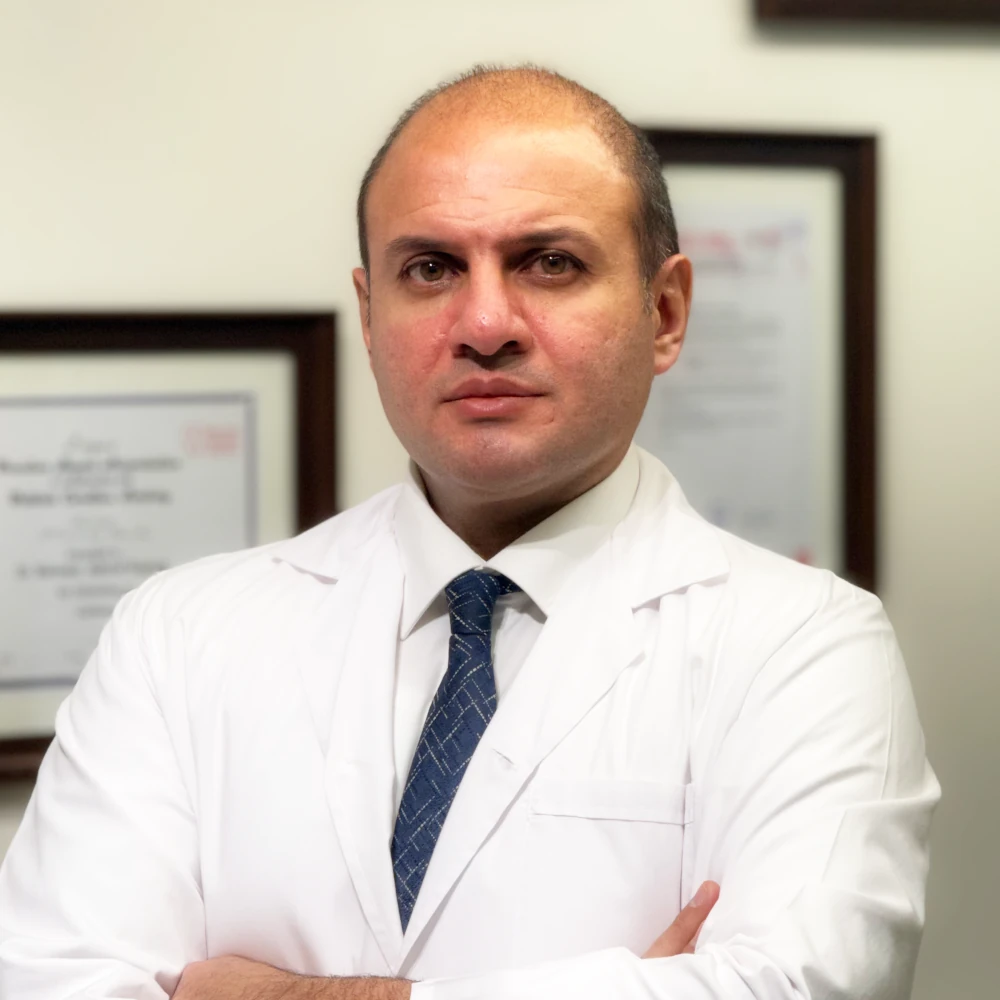
Dr. Behnam Vaghefi holds a fellowship in cardiology and vascular diseases, is a specialist in varicose vein treatment, and is a member of the American and European Heart Associations. This article has been written with the review and approval of Dr. Vaghefi, who is the author of several articles and books on cardiology and vascular diseases, and who has years of experience treating patients in his specialized clinic.
Medical Consultation
بسیار عالی ممنونم از دکتر واقفی عزیز و همکاران عزیزشون و پیگیری هاشون مراحل درمان عالی بود