
What are the symptoms of cardiac discomfort? | From shortness of breath to heart attack.
Many cardiovascular diseases have signs and symptoms before they occur. Being aware of them and paying timely attention when they appear can be life-saving.





Many cardiovascular diseases have signs and symptoms before they occur. Being aware of them and paying timely attention when they appear can be life-saving.
- Chest Pain
- What is Heart Pain Like?
- Heart Palpitations
- Why Does the Heart Have a Sharp Pain (Stabbing Pain)?
- Difference Between a Heart Attack and a Panic Attack
- How to Strengthen the Heart?
Cardiac discomforts and diseases can manifest in various forms and symptoms in the body before becoming more serious. Some of these signs are important and noteworthy. Therefore by being informed and aware of these symptoms, you can prevent the occurrence of more severe problems and diseases. In this article, we have examined some of the important signs of cardiovascular diseases.
Among all the mentioned causes, cardiovascular pains are more significant than the others because they can lead to patient death if not addressed. So it is natural that the first step in related investigations is a complete medical history, physical examination and performing cardiovascular tests. If cardiovascular problems are ruled out through tests and examinations, investigating other causes is also recommended.
Chest Pain
In medical science, chest pain is a term used for any type of pain from around the navel area to the chin and neck. Chest pain has various causes including the following:
Cardiac causes: Such as myocardial infarction/heart attack, involvement of the heart's surrounding membranes (pericarditis). reading the article on TAVI aortic valve replacement may be useful for you.
Vascular causes: Aortic rupture and dissection
Pulmonary causes: Lung infection (pneumonia)
Gastrointestinal causes: Stomach ulcer, esophageal spasm
Muscular causes: Muscle spasm, pain and inflammation in the costochondral junction areas, shoulder joint pain, neck pain, trauma
Neurological causes: Pressure on cervical nerve roots
Infectious skin causes: Such as shingles
What is Heart Pain Like?
Remember that any type of pain can be cardiac but according to statistical studies, it has been observed that if chest pain has certain specific characteristics, the probability of it being cardiac is higher; these include:
Chest pain located behind the sternum that radiates to the jaw and left arm.
If the pain is accompanied by nausea or sweating.
Cardiac pain intensifies with activity and walking.
Cardiac pain subsides with rest and sublingual nitrate consumption.
If these symptoms are present, the likelihood of the pain being cardiac in origin is higher. But this does not mean that if these conditions are absent, the pain is not cardiac.
If heart pain is caused by severe narrowing of the vessels, a specialist may, after initial evaluations, prescribe advanced diagnostic and therapeutic procedures such as angiography and angioplasty to open the blocked pathway. Additionally, in patients with specific and high-risk conditions, newer supportive techniques such as IVAC-assisted angioplasty are employed to minimize the pressure on the patient during the vessel-opening procedure.
Important note: Any type of pain could be cardiac pain.
What Should We Do When the Heart Hurts?
If you feel pain in your chest and heart, especially if this pain is frequent and daily, you should visit a specialist doctor. The following, after consultation and diagnosis by the doctor, are done for initial investigations:
Medical history and physical examination
Blood tests including cardiac enzymes, etc.
Chest X-ray
Echocardiogram (heart ultrasound)
Cardiac stress tests if necessary
If these examinations and investigations show no signs of cardiac involvement or disease, you should with very high probability look for other causes.
Shortness of Breath
Shortness of breath means you feel you cannot breathe enough, sufficient air does not reach your lungs and you have difficulty and trouble breathing. Shortness of breath has various causes, the most important of which are cardiac and pulmonary causes but other causes can also cause shortness of breath such as:
Elderly patients with weak chest muscles who cannot breathe well.
Inactive patients whose pulmonary functional capacity has gradually decreased.
Obese individuals who have problems with chest muscles.
Neurological causes
In investigating cardiac causes of shortness of breath, the most important actions are performing an electrocardiogram (ECG) and echocardiogram. Through an echocardiogram, the heart's function, heart valves and pulmonary pressure are determined.
Since performing an echocardiogram (echo) is very easy and quick, it is better to do it immediately. If no cardiac causes are found, proceed to investigate pulmonary issues. Even pulmonologists find it easier to proceed with their diagnostic measures if an echo is available.
Heart Palpitations
Heart palpitations have different definitions: the feeling of a fast heartbeat, a skipped beat, a slow beat or an irregular heartbeat are all described by patients as palpitations.
What Causes Heart Palpitations?
Palpitations have various causes including:
Cardiac causes: Heart failure, valvular disorders and arrhythmias sometimes stem from severe blood pressure fluctuations. Regulating and controlling hypertension plays a vital role in reducing these sudden palpitations.
Psychological causes: Anxiety, depression, excitement.
Dietary factors: Excessive consumption of tea, coffee, caffeine, cigarettes, hookah, alcohol.
Electrolyte imbalances: Disturbances in potassium and magnesium.
Insomnia
Methods for investigating palpitations include medical history, ECG, echocardiogram, cardiac stress tests, blood tests, psychiatric consultation and assessment of environmental and dietary conditions.
Why Does the Heart Have a Sharp Pain (Stabbing Pain)?
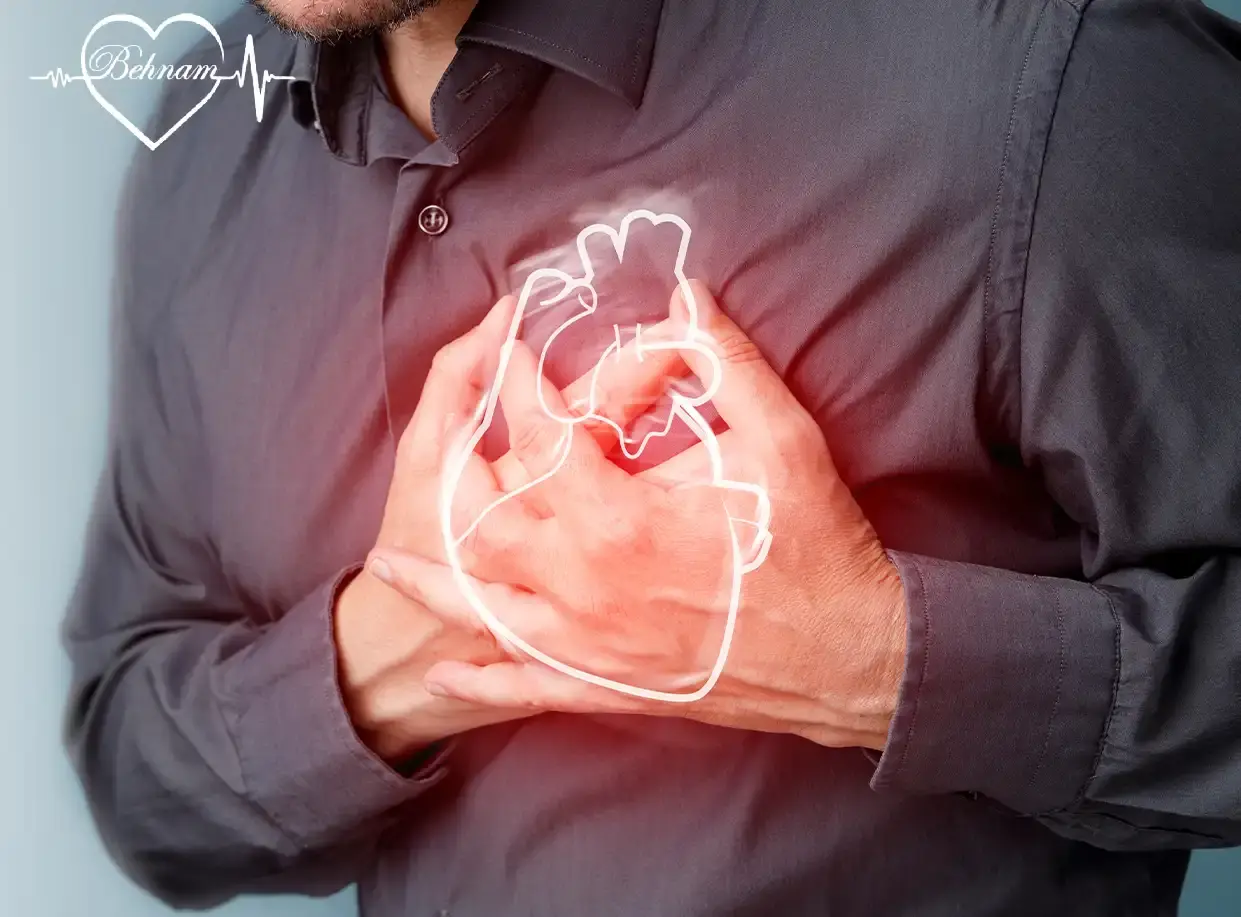
A stabbing pain in the heart does not always or necessarily indicate a cardiac disease or problem but it can be one of its most important causes. One of the following issues in the heart's structure or function can cause this symptom:
Myocarditis (inflammation of the heart muscle)
Pericarditis (inflammation of the sac around the heart)
Cardiomyopathy (heart muscle disease)
Reduced blood flow to the heart
Blockage of one of the heart's arteries
Aortic dissection
Also, note that gastrointestinal and pulmonary problems can also cause a sensation of stabbing heart pain. These include:Reflux or heartburn: In this case, stomach acid backs up into the esophagus causing chest pain.
Stomach ulcers
Gallbladder disease: Inflammation or gallstones.
Lung infection and pulmonary embolism
Costochondritis (inflammation of the rib cartilage)
If your heart stabbing pain is frequent and persistent, be sure to visit a cardiologist for more precise investigations and diagnosis.
Difference Between a Heart Attack and a Panic Attack
First, it should be said that a heart attack is a physical, emergency condition caused by blockage and clotting in a heart artery.
Heart Attack Symptoms: Irregular heartbeat, pressure, heaviness and pain in the chest (often spreading to the arm or shoulder), dizziness and vomiting, shortness of breath and excessive sweating, extreme fatigue.
Additionally it is important to mention that a heart attack stems from physical problems such as coronary artery disease, diabetes, high cholesterol, hypertension, etc.
However a panic attack is caused by psychological reasons like intense fear and anxiety which manifest as severe physical symptoms.Panic Attack Symptoms: Shortness of breath and sweating, trembling and feeling numbness or tingling, chest pain, fear of death or losing control, feeling of choking, dizziness, and rapid heartbeat.
Considering the mentioned points, if we want to point out their key differences, they are as follows:
| Heart Attack | Panic Attack |
|---|---|
| Caused by blockage of heart arteries (physical). | Caused by a nervous/psychological reaction (psychological). |
| Chest pain is often described as pressure, tightness or heaviness that may radiate to the arms, shoulders, neck or jaw. | Chest pain is often localized in the center of the chest and described as sharp or stabbing. |
| Shortness of breath typically accompanies chest pain and other symptoms. | Shortness of breath can occur alone or with other symptoms often feeling like hyperventilation. |
| Has a physical origin (e.g., heart disease, hypertension). | Has a psychological origin (e.g., stress, anxiety, panic disorder). |
| Symptoms are usually prolonged (more than a few minutes) and do not subside with rest or relaxation. | Symptoms are typically shorter in duration (often peaking within 10 minutes) and subside on their own after some time. |
How to Strengthen the Heart?
By following these simple tips, you can significantly contribute to your heart's health and strength:
Regular Exercise: Exercise especially aerobic activities like brisk walking, swimming, running and strength training for at least 150 minutes per week on average is highly effective for your heart health.
Blood Sugar Control: Maintain a proper diet and if you have diabetes, be sure to take your medications and be under treatment.
Cholesterol Control: Avoid foods that raise cholesterol and have regular physical activity.
Quit Smoking: Smoking is one of the primary and important factors causing heart diseases.
Adequate Sleep and Stress Management: 7 to 9 hours of quality sleep per night and achieving mental calm through practices like meditation and yoga will be very beneficial for strengthening and maintaining your heart's health.
It is also necessary to mention that some risk factors such as age, gender and family history play a significant role in developing heart discomforts and diseases. Consequently the elderly and those with a family history of heart disease or heart attack must have periodic check-ups by a physician.
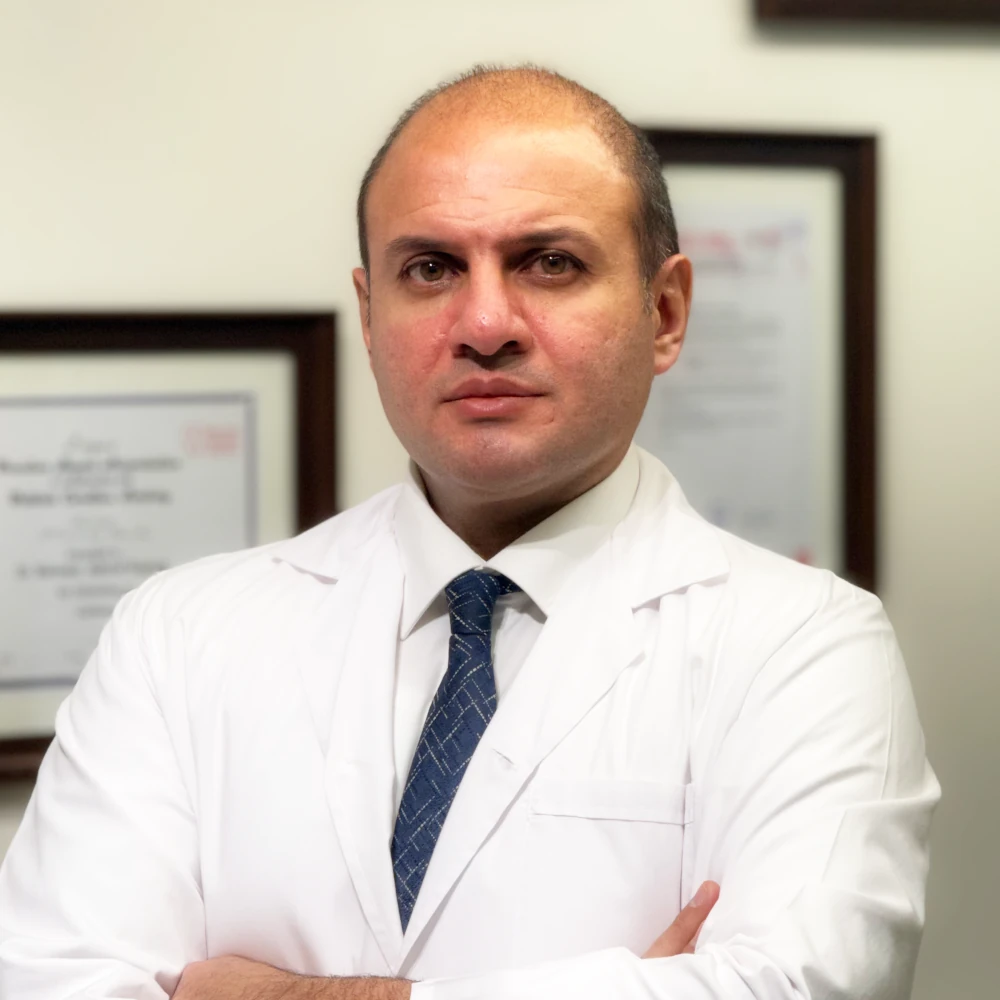
Dr. Behnam Vaghefi holds a fellowship in cardiology and vascular diseases, is a specialist in varicose vein treatment, and is a member of the American and European Heart Associations. This article has been written with the review and approval of Dr. Vaghefi, who is the author of several articles and books on cardiology and vascular diseases, and who has years of experience treating patients in his specialized clinic.
Medical Consultation