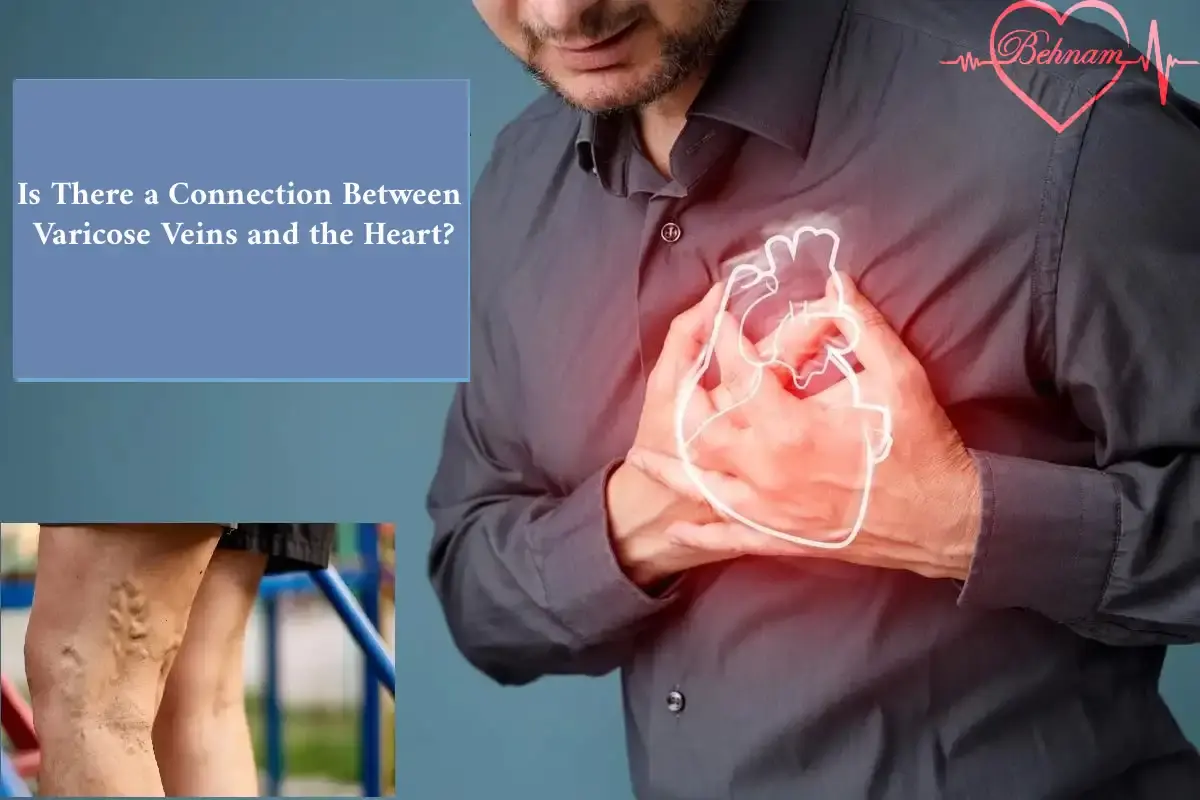
Is There a Connection Between Varicose Veins and the Heart?
Many people suffering from varicose veins worry about also developing heart disease. But are these two conditions actually related? Can heart problems even cause varicose veins?




Many people suffering from varicose veins worry about also developing heart disease. But are these two conditions actually related? Can heart problems even cause varicose veins?
- Why Are Varicose Veins and Heart Disease Sometimes Linked?
- The Interaction Between Varicose Veins and Heart Disease
- Signs of Heart Disease Manifesting in the Legs
A common question among patients suffering from varicose veins or heart disease is whether these two conditions can be related, and if one can lead to the other. First it must be stated that a direct and definitive link between varicose veins and heart disease has not been conclusively and widely proven. However some studies such as research conducted in South Korea titled "The Link Between Varicose Veins and Heart Failure Risk" associate varicose veins with an increased risk of heart failure. Therefore the reason these two conditions are sometimes linked may not be entirely unfounded, and we will discuss the reasons in this article.
Why Are Varicose Veins and Heart Disease Sometimes Linked?
Varicose veins and heart disease sometimes share common causes and symptoms which can make them appear related.
Similar Symptoms of Varicose Veins and Heart Disease
Varicose veins occur due to problems in the leg vascular system and the return of blood to the heart while heart diseases usually arise from issues with the body's circulatory system. Thus their root causes are different. However some symptoms and signs can be similar:
Swelling in the legs and ankles
Numbness and pain in the legs
Skin discoloration on the legs
Leg ulcers
Fatigue
Shortness of breath
Common Risk Factors for Both Conditions
Both diseases can result from these shared risk factors:
Obesity and overweight
Advanced age
Sedentary lifestyle
High blood pressure
Unhealthy lifestyle
Despite these common risk factors it is important to clarify that varicose veins are primarily caused by weakened veins and their internal valves, leading to blood pooling in the leg veins. This is often due to factors like genetics, prolonged standing, pregnancy and obesity.
The Interaction Between Varicose Veins and Heart Disease
Although varicose veins and heart disease may not have a direct causal relationship, shared factors and conditions can lead to their simultaneous occurrence or exacerbate symptoms in an individual. For example some heart conditions can cause blood clots which if they travel to the legs can block veins and worsen varicose veins. Similarly heart failure can increase pressure on the leg veins.
Conversely having varicose veins means blood cannot efficiently return from the legs to the heart, potentially placing extra strain on the heart. Furthermore in cases where varicose veins lead to leg ulcers, the risk of developing heart disease may also increase.
In summary while the two conditions are not directly causative, they can potentiate each other's risks and severity of symptoms. Therefore if an individual has both conditions, it is essential to receive treatment under the supervision of a specialist.
Signs of Heart Disease Manifesting in the Legs
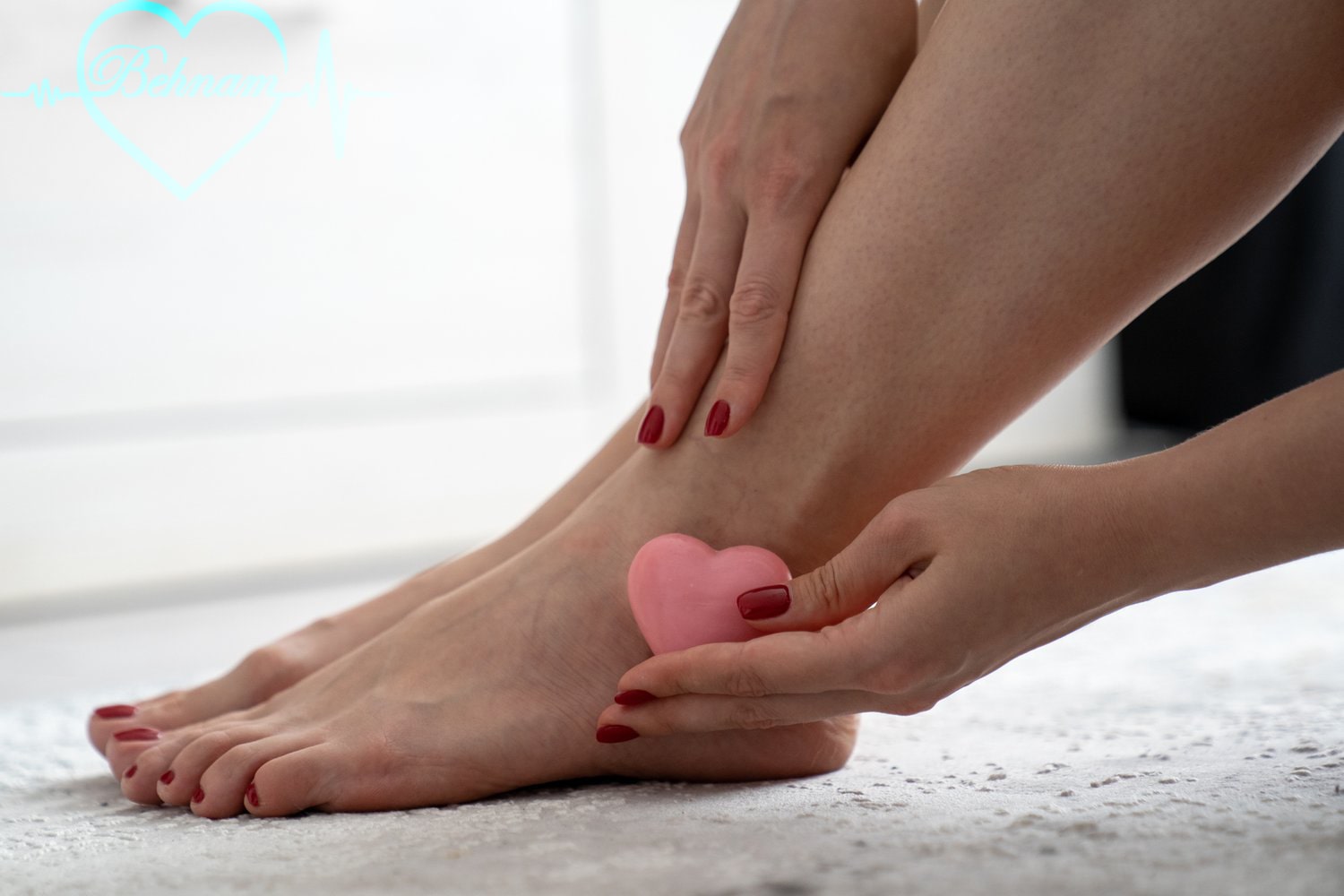
Many heart diseases cause symptoms in the legs due to blood clotting, reduced blood flow and fluid accumulation from the heart's inability to pump effectively. These symptoms can mimic those of varicose veins leading to potential misdiagnosis.
Heart conditions that can cause leg symptoms include:
Coronary Artery Disease (CAD): In severe cases, reduced blood flow to the legs can cause weakness, numbness and pain.
Blood Clots (Thrombosis): A clot formed in the heart can travel to leg veins, causing blockage with symptoms like swelling, severe pain and skin discoloration similar to varicose veins.
Heart Arrhythmia: Some irregular heartbeats can reduce heart efficiency leading to blood pooling and leg swelling.
Heart Failure: When the heart cannot pump sufficient blood, symptoms like swelling and a heavy feeling in the legs and ankles occur.
Peripheral Artery Disease (PAD): This involves narrowed arteries in the legs, reducing blood flow. Symptoms include leg pain while walking, numbness, cold feet, reduced leg hair and brittle nails.
Conclusion
As discussed, heart disease and varicose veins can sometimes present with similar symptoms. Therefore an accurate diagnosis can only be made by a physician through necessary tests such as an ECG (electrocardiogram), echocardiography, vascular ultrasound or blood tests.
Although no direct, proven causal link exists between the two, they can increase each other's severity and risk especially if a person suffers from both concurrently, requiring greater attention to symptoms and overall health.
Remember the legs are considered the body's second heart. The calf muscles assist in pumping blood back toward the heart through contraction and relaxation, functioning similarly to the heart itself. The legs contain an extensive network of veins and their health significantly impacts overall well-being.
Try to protect them through regular exercise, wearing proper footwear and controlling blood pressure and weight. If you suffer from varicose veins, be assured that with advances in technology and the widespread use of modern, non-surgical varicose vein treatments, you can easily treat the condition and relieve your concerns.
Rest assured while varicose veins may not directly cause heart disease, the worry and stress you experience about them could potentially harm your heart!
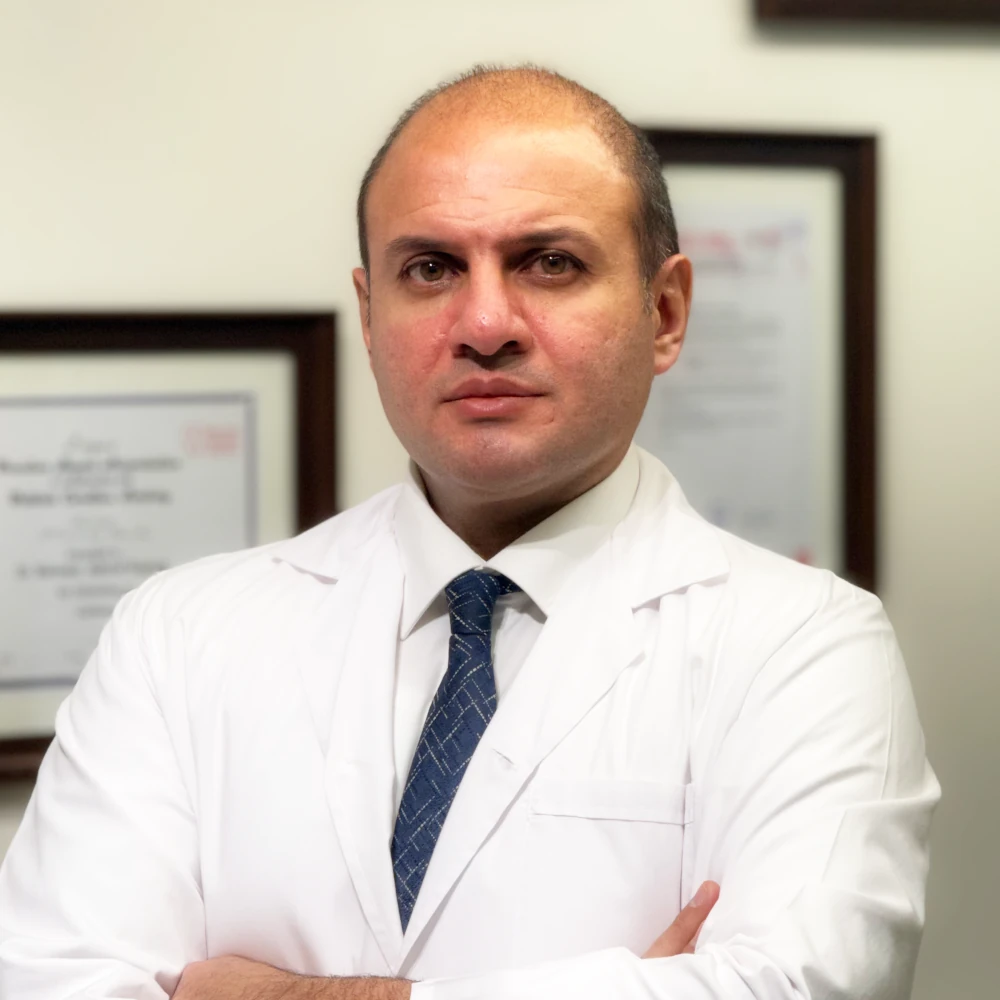
Dr. Behnam Vaghefi holds a fellowship in cardiology and vascular diseases, is a specialist in varicose vein treatment, and is a member of the American and European Heart Associations. This article has been written with the review and approval of Dr. Vaghefi, who is the author of several articles and books on cardiology and vascular diseases, and who has years of experience treating patients in his specialized clinic.
Medical Consultation