
TAVI: Minimally Invasive Aortic Valve Replacement
The TAVI procedure (Transcatheter Aortic Valve Implantation) or closed aortic valve replacement (without open-heart surgery) is a minimally invasive and modern method for treating diseases related to the aortic valve.




-posts-image.jpg)
The TAVI procedure (Transcatheter Aortic Valve Implantation) or closed aortic valve replacement (without open-heart surgery) is a minimally invasive and modern method for treating diseases related to the aortic valve.
- Which patients need valve replacement or TAVI surgery?
- Symptoms of Aortic Stenosis
- Advantages of the TAVI Procedure
- How is the TAVI procedure performed?
- Difference Between TAVI and Open-Heart Surgery
In the TAVI (Transcatheter Aortic Valve Implantation) procedure a damaged aortic heart valve is replaced with a biological artificial valve via a long, thin tube called a catheter which is inserted into the blood vessels instead of through open-heart surgery.
The main difference and advantage of the TAVI method compared to surgical valve replacement is that the chest is not opened at all; the valve is replaced through a small puncture in the femoral artery in the leg. The patient regains consciousness immediately after the procedure is allowed to walk within a day and is discharged within 1 to 2 days.
Given the complexity of the TAVI procedure and the requirement for well-equipped and capable hospitals in terms of facilities and personnel, currently, very limited and few centers in Iran perform this surgery.
Which patients need valve replacement or TAVI surgery?
With age, calcium gradually deposits on the surface of the aortic valve one of the four main heart valves, damaging it and preventing it from opening and closing properly. This causes aortic stenosis. Consequently blood cannot exit the heart easily and cannot be pumped throughout the body. Over time aortic stenosis, due to the pressure on the heart will lead to heart failure.
Important Note: Since the development of heart failure implies permanent damage and fibrosis of the heart muscle, it is better for patients to undergo periodic and regular echocardiography so that severe aortic stenosis can be diagnosed in its early stages.
Symptoms of Aortic Stenosis
Symptoms arising from this problem include:
Chest pain
Shortness of breath
Severe fatigue
Dizziness
Cardiac arrest
Fainting
Sudden death
Advantages of the TAVI Procedure
Compared to open-heart surgery, TAVI is a closed method performed through a small puncture (approximately 1 to 2 cm) in the femoral artery. It does not require prolonged general anesthesia; the patient is under mild sedation during the procedure and regains consciousness immediately afterward. TAVI is considered an outpatient procedure and the patient is discharged within 1 to 2 days.
Immediately after the procedure, the patient's symptoms improve significantly and the heart's pumping capacity enhances. It carries fewer risks and complications, such as infection or bleeding, compared to open surgery. It is a suitable and good choice for high-risk patients such as the elderly and those who cannot tolerate open-heart surgery. It has a shorter recovery period compared to surgery.
How is the TAVI procedure performed?
This procedure is carried out in the following steps:
Anesthesia: General or local anesthesia is administered first. As mentioned, prolonged anesthesia is not required.
Catheter Insertion into the Vessel: An incision is made on the chest or groin and then the catheter is inserted into the vessel through this incision.
Guiding the Catheter to the Heart: The catheter is guided toward the heart and the aortic valve.
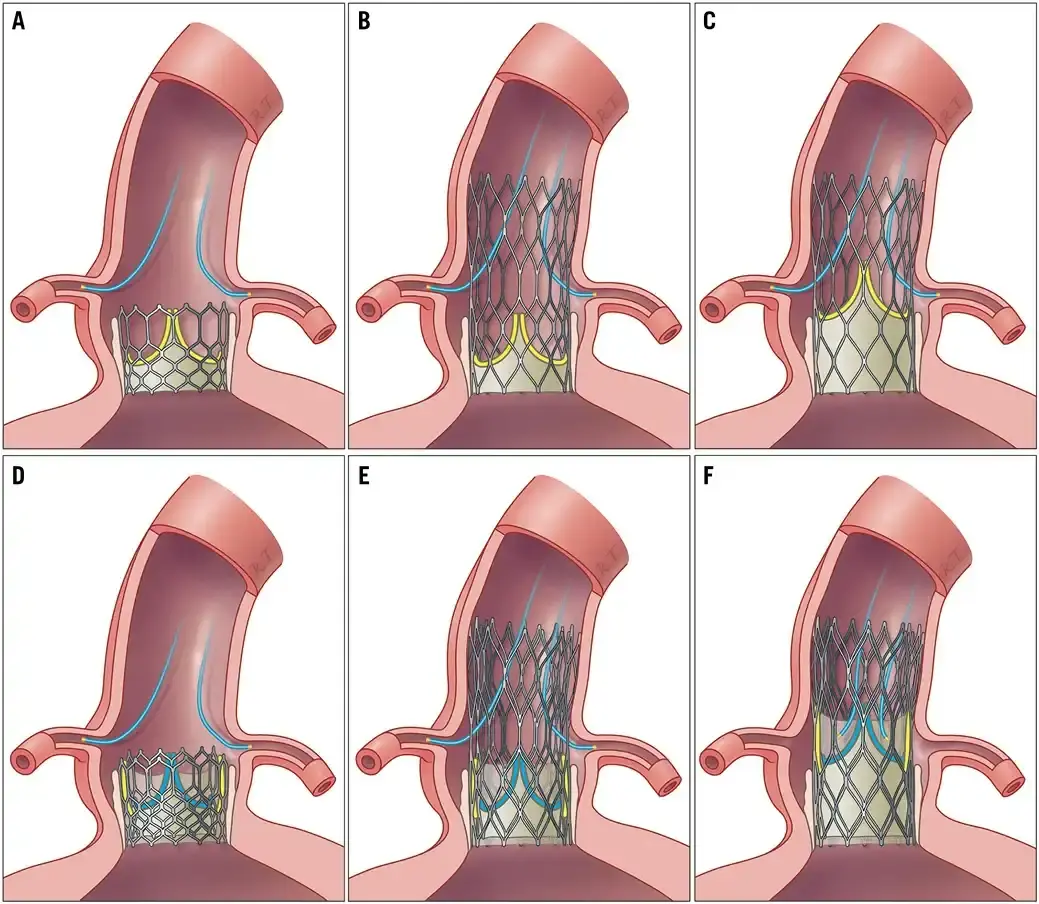
Placing the New Aortic Valve: The new artificial valve, mounted on a balloon is guided via the catheter toward the aortic valve. The balloon is then inflated, pushing the old valve aside and the new valve is deployed.
Removing the Catheter and Concluding the Procedure: After the new valve is correctly positioned and functioning, the catheter is removed and the procedure is completed.
Who is the best candidate for TAVI surgery?
This type of surgery is suitable for individuals who have the following conditions:
Elderly and senior individuals
Individuals who cannot tolerate or are not candidates for open-heart surgery
Patients with pulmonary, renal diseases or heart failure
Difference Between TAVI and Open-Heart Surgery
In the table below, we have compared TAVI with open-heart surgery:
| TAVI (TAVI) | Open-Heart Surgery |
|---|---|
| Short-term or local anesthesia | General and prolonged anesthesia |
| Small surgical incision | Large surgical incision |
| Suitable for high-risk, elderly patients | Suitable for younger, healthier patients |
| Access to the heart via blood vessel and catheter | Access to the heart through the chest |
| Fewer risks and complications | More risks and complications |
| Shorter recovery and convalescence period | Longer recovery and convalescence period |
What steps are taken before the TAVI procedure?
First, you must be examined by a cardiologist and the necessary tests should be performed to determine your type of anesthesia. If you have other diseases, you may also need to visit a specialist in that field. Medical tests include blood tests, ECG, echocardiogram, stress test, angiography, CT scan or MRI to accurately assess the condition of your blood vessels and heart.
Your physician may prescribe a specific diet and medication regimen for you based on their diagnosis which you must adhere to. Before the surgery, you must fast for a specified period and bathe with antiseptic soap. After the procedure, you will need a companion to take you home.
Post-TAVI or Aortic Valve Replacement Care
After undergoing TAVI, be sure to follow these guidelines:
Adequate Rest: Ensure sufficient rest especially in the first few days and avoid strenuous or stressful activities. Gradually return to your daily activities as prescribed by your doctor.
Incision Site Care: Keep the incision site dry and clean and avoid applying pressure to it.
Accurate and Regular Medication Use: Take all medications prescribed by your doctor completely, accurately and on time.
Proper Diet: Avoid high-fat, salty or sugary foods and be sure to maintain a healthy diet.
Blood Pressure Control: Regularly check and control your blood pressure.
Light Exercise and Activity: After recovery and with your doctor's approval and guidance, engage in light exercises such as walking to improve blood circulation.
Regular Check-ups with Your Doctor: Be sure to visit your doctor regularly to monitor the function of your new valve and heart so that any problems or complications can be addressed as soon as possible.
Complications of the TAVI Procedure
This procedure may potentially cause the following complications. However to prevent these, be sure to choose a highly skilled specialist in this type of surgery and also adhere to the pre- and post-operative care mentioned above. By considering and following these measures, you can largely prevent these complications.
Bleeding: Keep the incision site clean and dry to prevent this complication.
Infection: If you do not take the antibiotics and medications prescribed after the surgery correctly and on time, you may encounter such a problem.
Blood Clot Formation: Sometimes a blood clot may form on the new valve.
Heart Rhythm Problems: After surgery, changes in heart rhythm may occur in some cases.
Regular follow-up visits with your surgeon and monitoring your heart's condition and function will be very effective in reducing the occurrence of these complications.
Learn more: What are the symptoms of cardiac discomfort? From shortness of breath to heart attack.
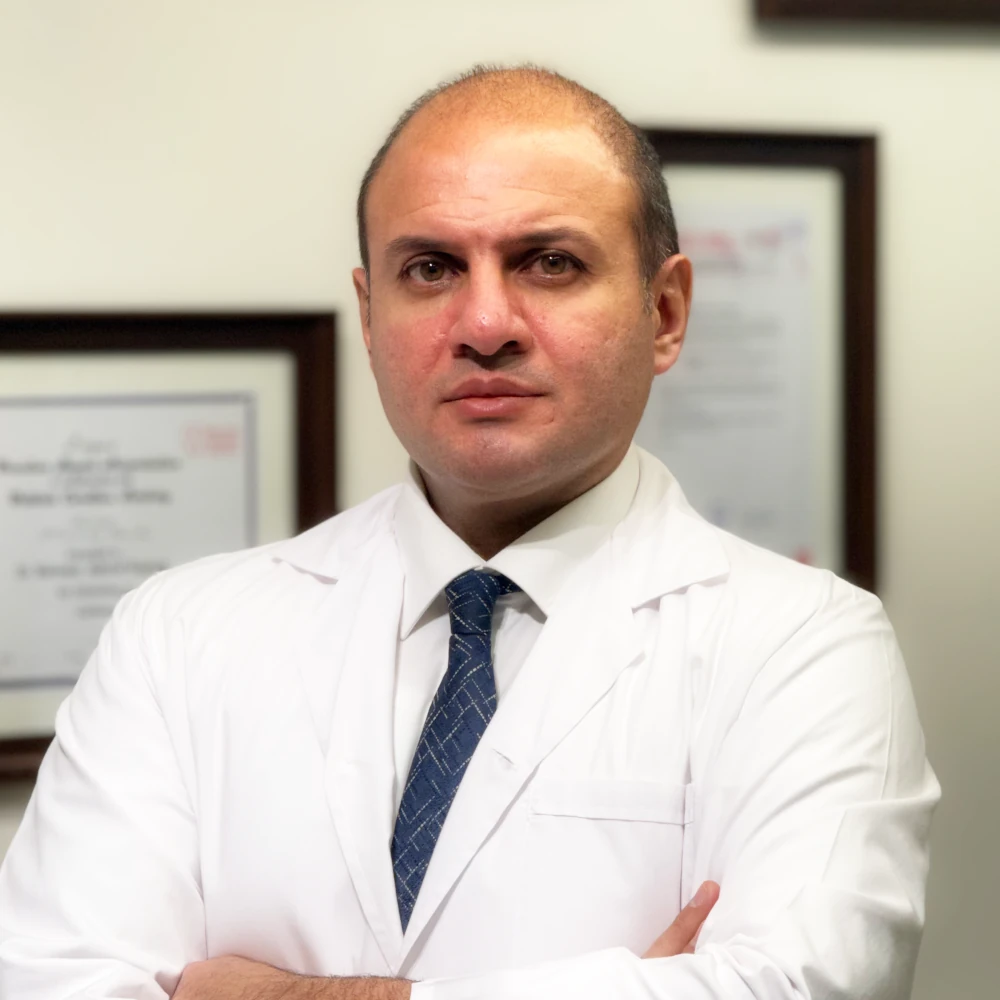
Dr. Behnam Vaghefi holds a fellowship in cardiology and vascular diseases, is a specialist in varicose vein treatment, and is a member of the American and European Heart Associations. This article has been written with the review and approval of Dr. Vaghefi, who is the author of several articles and books on cardiology and vascular diseases, and who has years of experience treating patients in his specialized clinic.
Medical Consultation