Shoes for Varicose Veins: Avoid These Shoes!
Can shoes affect the health of our leg veins? In short, they likely do.





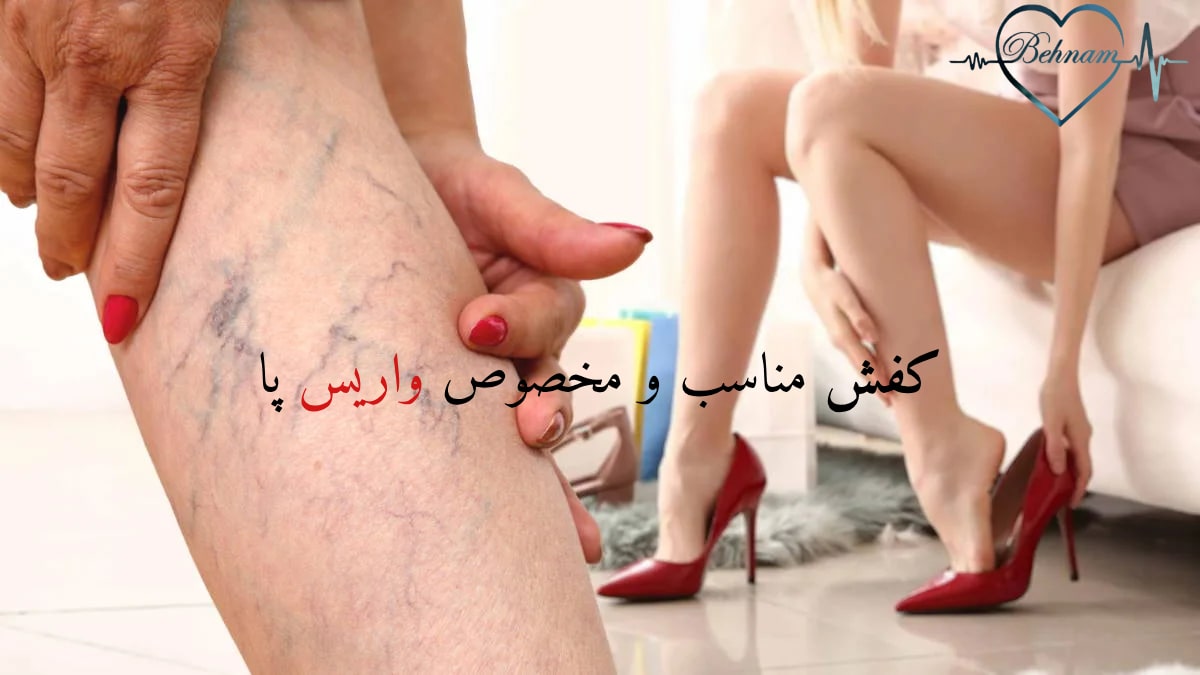
Can shoes affect the health of our leg veins? In short, they likely do.
- How Shoes Affect Varicose Veins
- Best Shoes for Varicose Veins and Venous Insufficiency
- Work Shoes for Varicose Veins
- Additional Tips for Varicose Vein Prevention
Varicose veins can appear as bulging, twisted veins or thin, colored veins often on the legs and may be visually bothersome. In simple terms varicose veins form when blood pressure and flow in veins become unbalanced due to their dysfunction or weakness. Factors like genetics, pregnancy, obesity, aging, inactivity or prolonged standing or sitting contribute significantly.
But what about shoes? Can footwear impact vein health? In short, likely yes. A study titled Effects of Shoe Type on Lower Limb Vein Status During Walking or Exercise found that certain shoes influence veins.
How Shoes Affect Varicose Veins
Blood flows easily from the heart to the legs but must move against gravity to return. Ill-fitting or uncomfortable shoes can disrupt blood flow in veins and arteries. Over time this may increase the risk of varicose veins. Unsuitable shoes include:
High Heels
They shift body weight unevenly to the front of the foot, increasing vein pressure and potentially causing varicose veins.
Tight Shoes
These restrict natural blood flow, leading to pooling and swelling.
Shoes Without Proper Arch Support
Inadequate arch support adds pressure to feet and veins.
Flat, Heel-less Shoes
Lacking arch support, they cause uneven weight distribution and reduce blood flow, threatening vein health.
Comfortable shoes promote ease and help prevent foot pain and conditions like varicose veins. Choosing flexible shoes with proper arch support and cushioning is a smart choice. Improper shoes like high heels or flats without support, restrict natural foot movement, impair blood flow and increase varicose vein risk. Leg muscles act like a pump to return blood to the heart. Unsuitable shoes hinder muscle function causing blood pooling and higher varicose vein risk.
Best Shoes for Varicose Veins and Venous Insufficiency
Proper footwear is critical for those with venous insufficiency. Gravity makes it challenging for veins to pump blood upward to the heart. Poor shoes can worsen this, causing swelling, pain and vein distortion due to weak circulation. Comfortable muscle-supporting shoes reduce discomfort and swelling. Compression stockings paired with suitable shoes enhance blood flow and alleviate symptoms. If you’re at risk due to genetics, obesity, pregnancy or prolonged sitting/standing or already have varicose veins, consider these when buying shoes:
Low, Sturdy Heels
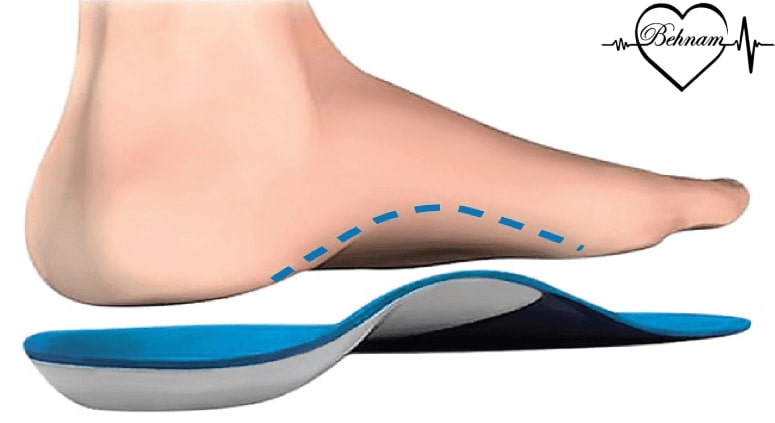
Low heels promote healthy foot movement. Avoid high or completely flat heels. Low heels create a natural arch from heel to toe, aiding comfort especially for flat feet or low arches.
Cushioning
Cushioned insoles reduce pressure on toes, soles and calves during walking or prolonged standing. These can be purchased separately.
Arch Support
Enhanced arch support reduces pressure on joints, hips, knees and back while improving blood flow.
Proper Fit
Shoes that are neither too tight nor too loose ensure natural blood flow.
Soft, Flexible Materials
These provide comfort and reduce foot pressure.
Orthopedic Shoes
Designed for foot health they’re highly effective for vein care.
Work Shoes for Varicose Veins
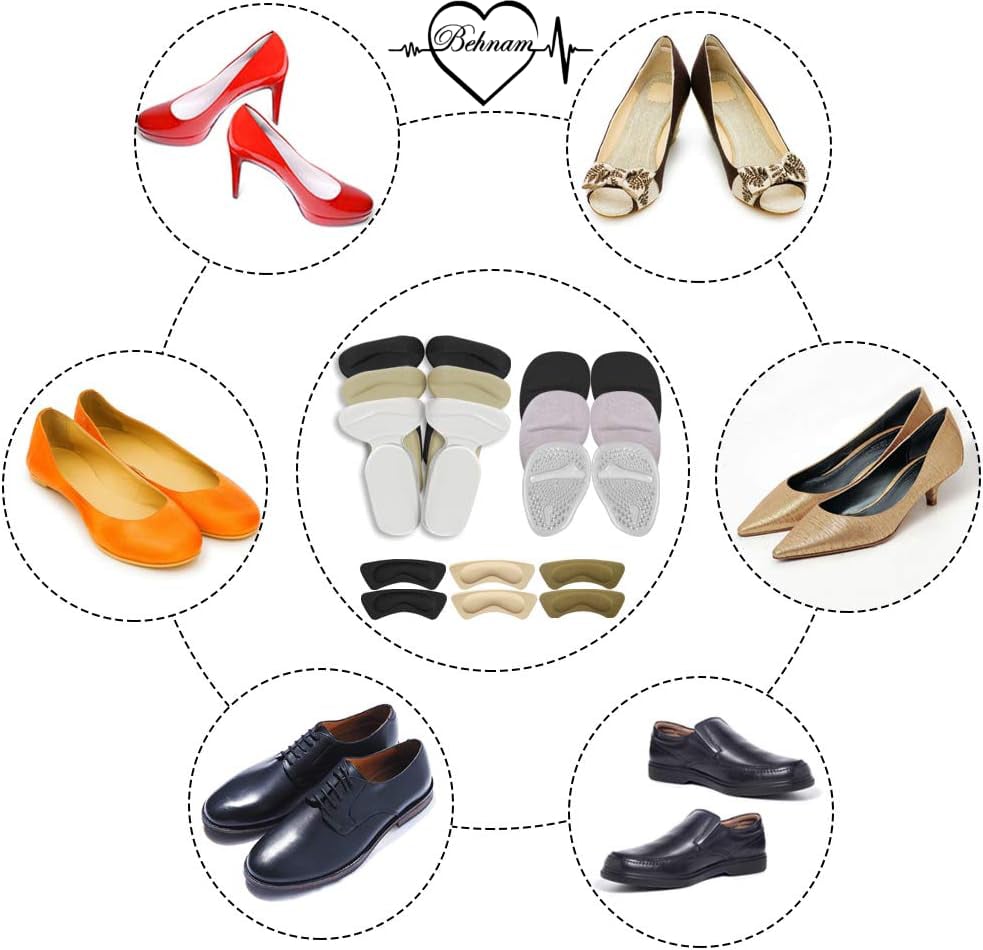
For jobs requiring prolonged standing or walking, comfortable shoes that minimize foot pressure are essential. Ideal work shoes for varicose vein prevention or management are flexible, with proper arch support, durability and breathability. They should ensure comfort and promote blood flow. Shoes with 3-5 cm heels, adequate interior space and cushioning to reduce pressure are key. Flat, heel-less shoes may seem comfortable but fail to support arches, harming veins by reducing muscle and tendon activity leading to blood pooling and increased vein pressure.
Features of Good Women’s Shoes
Low, wedge-style heels (~4 cm)
Cushioned insoles
Proper arch support
Avoid tight shoes, especially around toes to prevent blood flow restriction
Features of Good Men’s Shoes
Cushioned insoles
Proper arch support
Breathable materials
Walking or comfort shoes
Additional Tips for Varicose Vein Prevention
Beyond shoes, regular exercise, weight management, a healthy lifestyle, proper diet and avoiding prolonged sitting or standing help. For more prevention tips, see Golden Tips for Varicose Vein Prevention: Expert Advice.
Conclusion
Footwear plays a key role in leg and vein health. While shoes alone don’t cause or cure varicose veins, comfortable, supportive shoes, combined with prevention strategies, reduce discomfort and prevent worsening.
FAQs
Do high heels cause varicose veins?
Yes, prolonged use of high heels increases vein pressure contributing to varicose veins.
What shoes may cause varicose veins?
Tight or loose shoes, those with improper arches, rigid or flat designs, high heels or non-orthopedic shoes.
Can changing shoes help prevent or improve varicose vein symptoms?
Yes, flexible shoes with proper arches, cushioning and heels, paired with compression stockings, reduce vein pressure and improve symptoms.
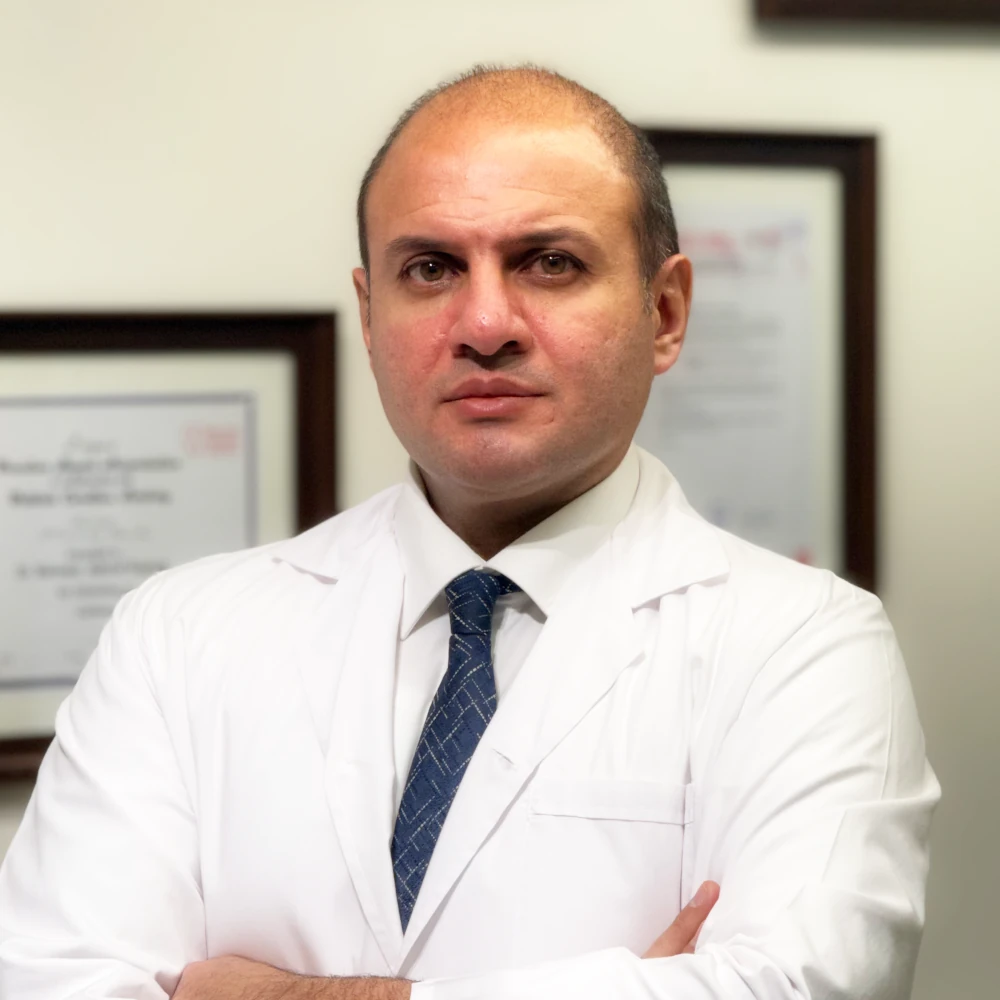
Dr. Behnam Vaghefi holds a fellowship in cardiology and vascular diseases, is a specialist in varicose vein treatment, and is a member of the American and European Heart Associations. This article has been written with the review and approval of Dr. Vaghefi, who is the author of several articles and books on cardiology and vascular diseases, and who has years of experience treating patients in his specialized clinic.
Medical Consultation