How is varicose vein surgery performed? (Complications + Comparison with Laser Therapy)
Varicose vein surgery (vein stripping) is a traditional and old method of treating this disease. You may also wonder: despite its age and disadvantages is this method still used?




Varicose vein surgery (vein stripping) is a traditional and old method of treating this disease. You may also wonder: despite its age and disadvantages is this method still used?
- How is Varicose Vein Surgery Performed?
- Post-Operative Care for Varicose Vein Surgery
- Complications After Varicose Vein Surgery
- When is Surgical Treatment for Varicose Veins Used?
- Advantages of Varicose Vein Surgery
Vascular surgery is performed using various surgical methods under the supervision of a vascular surgery specialist. Today with the emergence of new and minimally invasive techniques, traditional vascular surgery is no longer the primary treatment method and is recommended by the physician only in specific cases. Varicose vein surgery in the legs is an old and traditional method for treating this condition.
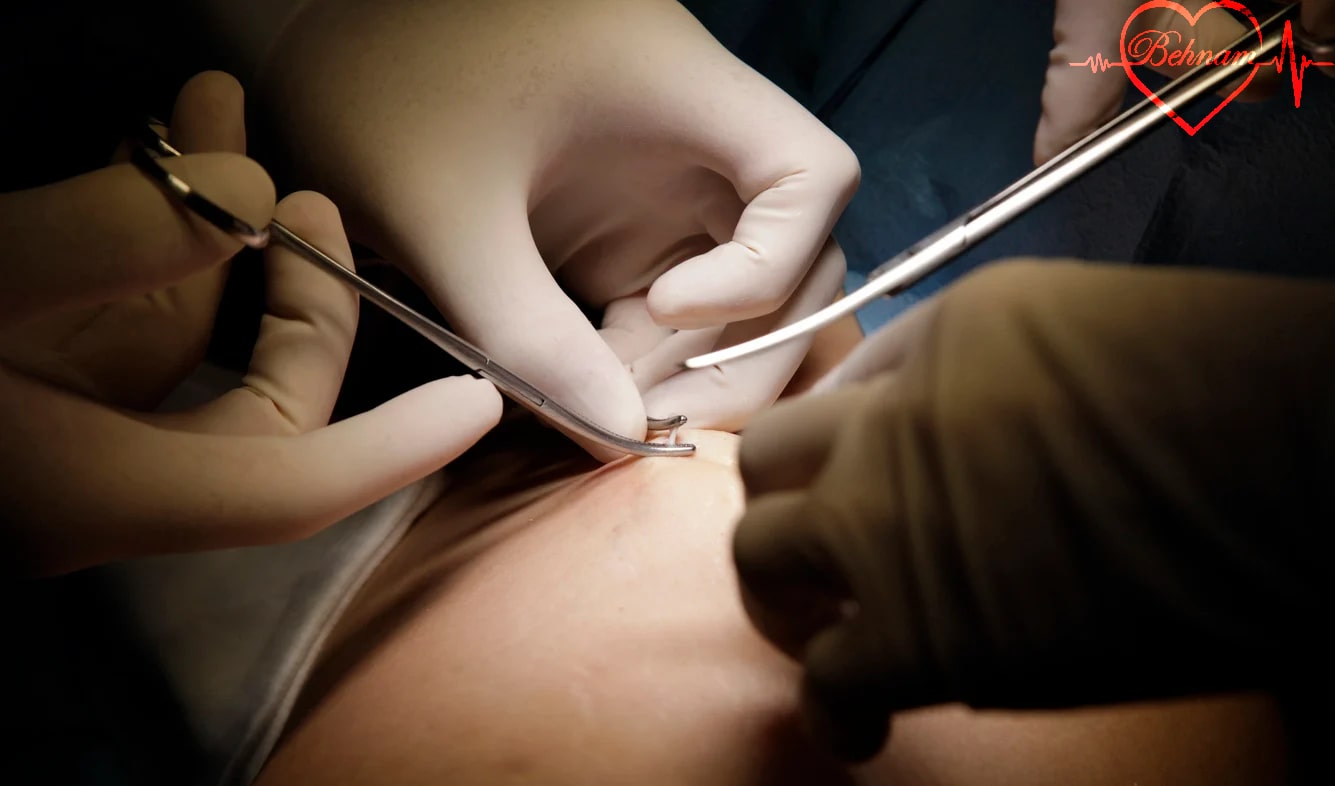
In this method, during a surgical procedure involving incisions in the skin, the damaged varicose veins are removed. Some studies on varicose vein surgery have shown that most patients achieved full recovery after surgery while a certain percentage experienced ulcers, complications or recurrence.
How is Varicose Vein Surgery Performed?
Traditional varicose vein surgery is performed in the following sequence:
Anesthesia: The physician uses general anesthesia or local anesthesia depending on the extent of the area to be operated on.
Making Incisions: The surgeon makes incisions near and alongside the damaged varicose veins.
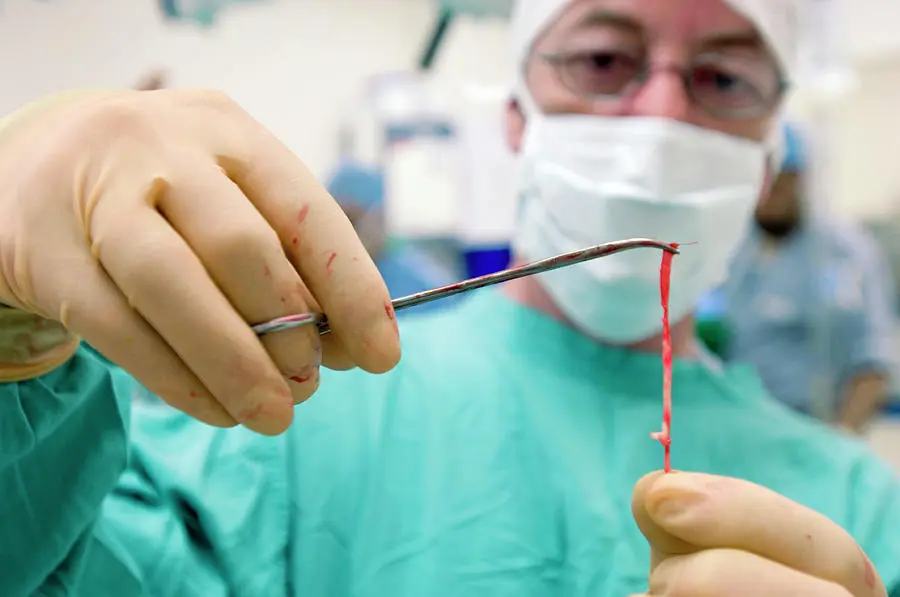
Removing the Veins: The damaged and varicose veins are removed from the patient's body using surgical instruments.
Closing the Incision Sites: The incisions are closed with adhesive or sutures and the surgery concludes.
Post-Operative Care for Varicose Vein Surgery
After undergoing surgery it is necessary to follow these care instructions:
Complete Rest: You require complete rest for several days after the surgery.
Wound Care: Surgical wounds must be kept clean and dry and their dressings must be changed exactly according to your doctor's instructions.
Medication Use: The doctor may prescribe pain relievers or antibiotics to reduce pain or prevent infection. Take them on time and as directed.
Wearing Compression Stockings: Sometimes, the doctor will prescribe wearing compression stockings after the operation to reduce swelling and improve blood flow in the legs.
Avoiding Strenuous Activities: Refrain from strenuous or high-pressure activities or sports for several weeks.
Light, Short Walks: Light, short walks help improve and strengthen blood circulation in the legs.
Healthy Nutrition: Consume healthy foods and drink sufficient fluids and water.
Follow-up with the Surgeon: To prevent complications and monitor health and recovery progress, be sure to visit your doctor regularly.
In traditional varicose vein surgery, the recovery period may last several weeks or months. Factors influencing this include the patient's age, the extent and severity of the procedure, the patient's overall health and adherence to post-operative care instructions.
Complications After Varicose Vein Surgery
Traditional varicose vein surgery has drawbacks and complications which include:
Requires hospitalization and a long recovery period at home (while endovascular methods are entirely outpatient with no recovery period).
Requires an operating room and anesthesia.
Involves bleeding.
Carries a risk of infection due to the incisions.
Is more painful compared to other treatments like laser surgery.
Leaves suture and surgical scars on the leg.
If the surgery is not performed correctly, the likelihood of varicose vein recurrence is high.
After reviewing these disadvantages, you might wonder: Given all these drawbacks is this type of surgery still used today? The answer to this question is yes.
When is Surgical Treatment for Varicose Veins Used?
Surgery may be recommended in specific cases where endovascular laser treatment is not feasible. This is especially true for individuals with very large vein diameters and where ultrasound indicates high vascular complexity. Therefore, in general traditional surgery is performed under the following conditions:
Large, Twisted Varicose Veins with Very Large Diameters: Such as some truncal varicose veins and varicose veins that minimally invasive methods cannot treat.
Varicose Veins Accompanied by Ulcers: If varicose veins are accompanied by ulcers, traditional surgery may be used to treat both conditions simultaneously.
The Surgeon's Diagnosis
The surgeon considers various factors to choose and perform the best treatment for varicose veins. Important factors in selecting the treatment method include the patient's age, overall condition and any underlying diseases. For example laser surgery is not recommended for patients with coagulation disorders.
Advantages of Varicose Vein Surgery
Among the advantages of this method are:
- It is suitable for large and complex veins that non-surgical methods cannot treat.
- It is a relatively definitive treatment; if the surgery is performed well and correctly the likelihood of recurrence is low because the veins are completely removed.
Comparison of Varicose Vein Surgery with Laser
In laser varicose vein surgery, the incisions are smaller, complications are fewer and the recovery and convalescence period is shorter than with the traditional surgical method. These advantages are particularly important for those who are employed and cannot take a long time off for rest and care after treatment and wish to return to their daily life and activities sooner.
Laser surgery is performed in a clinic or doctor's office without the need for hospitalization or an operating room and it also carries a lower risk of infection and pain. However, regarding cost traditional surgery will be less expensive compared to laser surgery.
Conclusion
The traditional surgical method for varicose veins, or vascular surgery is one of the treatments for varicose veins that in the past was considered the only possible and definitive treatment for this disease. Today, due to advancements in varicose vein treatment and the existence of several main treatment methods that offer more advantages and fewer disadvantages compared to this method, most patients no longer show a desire to undergo this traditional and old method.
However, it should be noted that which method is suitable for treating your varicose veins depends on the opinion and diagnosis of a specialist doctor with the type and severity of the varicose veins being important determining factors. Despite other minimally invasive and new methods such as laser surgery, mini-phlebectomy, etc., except in situations where there is no alternative to surgery, other treatments are preferred over this method.
(FAQ)
Are there other methods for treating varicose veins besides surgery?
Yes, today due to medical advances, there are easier and better treatments for varicose veins, including sclerotherapy, laser therapy and phlebectomy.
How much does varicose vein surgery cost?
The cost of surgery depends on various factors such as the type and severity of the varicose veins, the equipment and location of the surgery and the patient's insurance.
Is varicose vein surgery painful?
Surgery is usually performed under anesthesia or sedation so no pain is felt during the procedure. Afterward, there may be mild to moderate discomfort that can be controlled with prescribed pain relievers.
When is varicose vein surgery performed?
Surgery may be necessary when other varicose vein treatments are ineffective or not feasible due to reasons such as severe pain and discomfort, ulcers and skin changes.
Do varicose veins recur after surgery?
Varicose vein surgery is usually successful. However, if you do not follow points such as maintaining a healthy lifestyle and having regular activity, there is a possibility of recurrence in other veins.
Is varicose vein surgery dangerous?
Like any surgery, this type of procedure may be associated with complications such as bleeding, infection, blood clots or the possibility of varicose vein recurrence. However, the risk of surgery will be reduced if the patient enjoys general good health and the treating physician has experience and expertise.
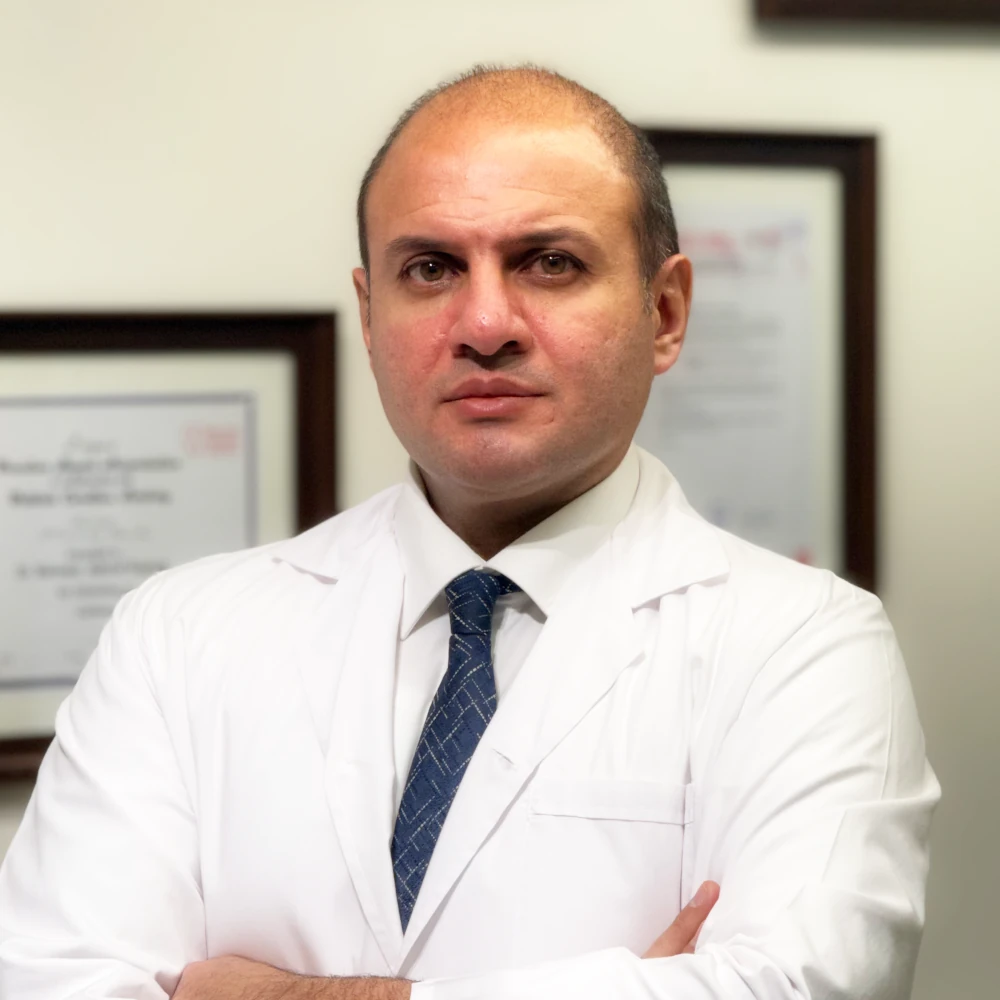
Dr. Behnam Vaghefi holds a fellowship in cardiology and vascular diseases, is a specialist in varicose vein treatment, and is a member of the American and European Heart Associations. This article has been written with the review and approval of Dr. Vaghefi, who is the author of several articles and books on cardiology and vascular diseases, and who has years of experience treating patients in his specialized clinic.
Medical Consultation