Where do varicose veins occur in the body?
"If the walls of these veins become lax for any reason such as genetics, hormonal changes or excessive pressure blood pools in that area, causing the vein to swell and twist; a phenomenon known as varicose veins which is not exclusive to the legs!"





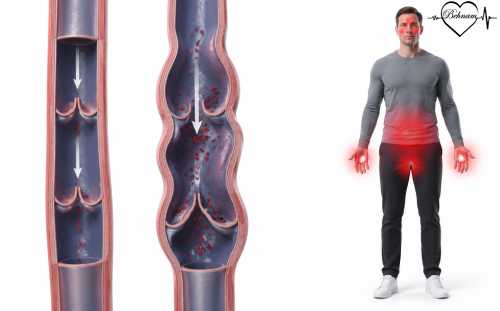
"If the walls of these veins become lax for any reason such as genetics, hormonal changes or excessive pressure blood pools in that area, causing the vein to swell and twist; a phenomenon known as varicose veins which is not exclusive to the legs!"
When we talk about varicose veins, the first thing that comes to mind is prominent, purple, rope-like veins on the calf or thigh. This perception is entirely natural, as the legs bear the weight of the body and are farthest from the heart, thus enduring the most pressure.
However, the medical reality is that the venous system is a continuous, interconnected network throughout the body; therefore, vascular insufficiency and damage to its valves can occur in any other part of the body as well. Although leg varicose veins are recognized as the most common form of this disease, ignoring vein prominence and damage in other organs can cause cosmetic concerns or even chronic and bothersome pain for the individual.
Veins are responsible for collecting deoxygenated blood from all body tissues and returning it to the heart against gravity. Inside these veins are one-way valves that prevent blood from flowing backward. If the walls of these veins become lax for any reason such as genetics, hormonal changes or excessive pressure blood pools in that area, causing the vein to swell and twist, a phenomenon known as varicose veins which is not exclusive to the legs!
Recognizing varicose veins in other parts of the body helps us avoid confusing their symptoms with other diseases and to seek timely treatment. From fine purple lines on the nose and cheeks to prominent hand veins and hidden pelvic pain, all are signs of venous dysfunction. In this article, we aim to comprehensively and expertly review the types of varicose veins in the body so you can understand how each develops and what solutions exist for them.
Types of Varicose Veins in the Body
Among the most important types of varicose veins that can occur in our body are:
1. Facial Varicose Veins; Purple and Red Veins on the Skin
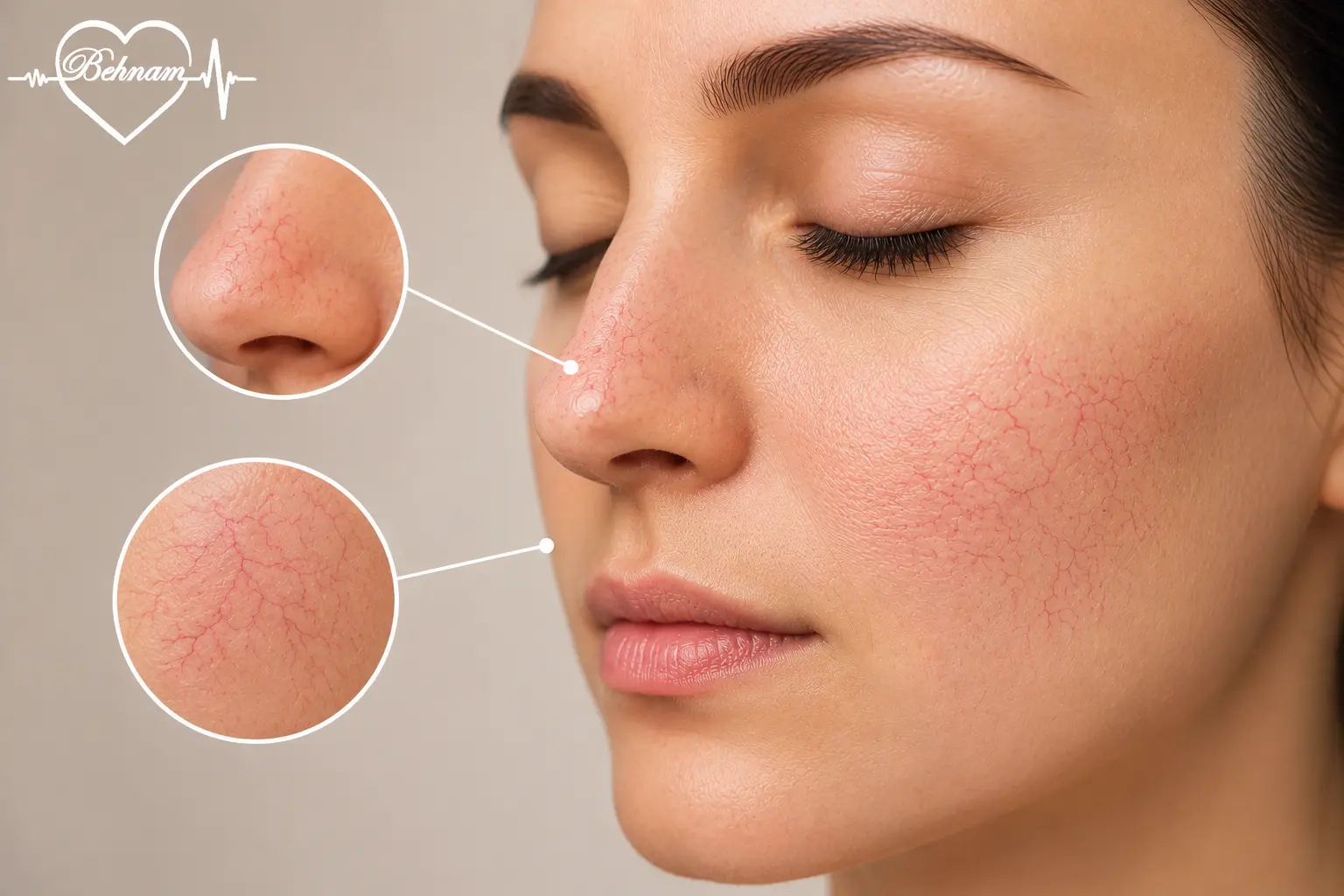
Facial varicose veins, which usually appear as prominent purple or red veins on the facial skin, are one of the most common non-leg types of varicose veins. Unlike leg varicose veins, they are more of a cosmetic concern than a painful one and can affect an individual's self-confidence. Many people have no idea that varicose veins can develop on the face and often mistake these spider capillaries for pimples, spots or skin allergies.
In medical science, these very fine and dilated vessels are called facial telangiectasias or facial spider veins. These veins usually appear as thin, red, purple or blue lines on the sides of the nose, cheeks, chin and sometimes under the eyes. Since the facial skin is very thin and sensitive, even the slightest change in the diameter of superficial veins is immediately visible on the skin surface. Unlike the legs, where body weight pressure is the primary cause, other factors lead to capillary dilation on the face.
Main Causes of Facial Varicose Veins
Several factors contribute to the damage and varicose formation of delicate facial veins:
Direct Sunlight and Ultraviolet (UV) Radiation: Sunlight is the greatest enemy of skin collagen and elastin. The destruction of these two structural proteins causes the walls of facial capillaries to lose their support, become lax, and remain permanently dilated.
Severe Hormonal Changes: Fluctuations in estrogen during pregnancy, menopause or even the use of oral contraceptives can weaken vein walls and cause them to become visible on the cheeks and nose.
Sudden and Intense Pressure to the Head and Face: Any factor that suddenly increases the pressure inside the vessels of the head and face can cause rupture or dilation of delicate capillaries. Chronic and severe coughing, sudden sneezing, repeated vomiting or even intense straining during childbirth are among these factors.
Environmental and Lifestyle Factors: Continuous exposure to intense heat (e.g., working in hot kitchens or frequent use of jacuzzis and hot baths), alcohol consumption and smoking significantly increase the risk of facial varicose veins by inducing vascular inflammation.
Genetic Factors and Family History: If your parents have thin skin and facial spider capillaries, your chances of developing this condition are significantly higher.
Treatment and Removal Methods for Facial Varicose Veins
Fortunately, due to the superficial nature of these vessels, their treatment is much simpler compared to deep varicose veins. Today, with advances in medical equipment, there is no need for invasive procedures. Dermatologists and vascular specialists typically use specialized superficial lasers (such as PDL or Nd:YAG lasers).
In this method, laser energy is absorbed directly by the vessel wall without damaging the skin surface, causing the vein to close and be naturally absorbed by the body. Additionally, consistent use of sunscreen and avoiding thermal shocks like washing the face with hot water are the primary strategies to prevent recurrence of these capillaries. The article "Facial Varicose Veins: From Diagnosis to Treatment" will provide you with more information on this topic.
2. Varicose Veins of the Hands and Arms
The appearance and prominence of veins on the back of the hands and arms is another concern for many individuals.
In most cases, this prominence is due to skin thinning, but when veins become twisted, painful, or abnormally swollen, we are dealing with hand varicose veins or hand venous insufficiency. Our hands are constantly moving and active throughout the day, and unlike the legs, blood circulation in them is not heavily influenced by gravity; nevertheless, weakening of the vessel walls and destruction of one-way valves can cause dilation and permanent prominence of the hand veins.
The Difference Between Natural/Exercise-Induced Prominent Veins and True Hand Varicose Veins
One of the most important points in examining hand vessels is correctly distinguishing healthy prominent veins from varicose veins. In athletes or bodybuilders, vein prominence is due to low body fat percentage and increased muscle mass. These veins are completely healthy, straight and painless and return to normal when the hand is lowered or at rest. However, hand vein prominence caused by varicose veins or venous insufficiency has other characteristics:
Veins take on a twisted, rope-like or knotted appearance.
They may be accompanied by a feeling of heaviness, fatigue or a dull pain in the wrist and fingers.
Vein color becomes darker (deep blue or purple) and the skin over them is tender to touch.
Main Causes of Hand and Arm Varicose Veins
Several important factors contribute to the development or worsening of hand vein conditions:
Fat Loss and Aging: With advancing age, the subcutaneous fat layer on the back of the hand gradually diminishes and the skin loses collagen and thins. This causes even the slightest venous dilation to appear as prominent and varicose veins.
Heavy and Improper Bodybuilding Exercises: Lifting very heavy weights, especially when combined with breath-holding (Valsalva maneuver), sharply increases pressure within the chest and hand vessels. This sudden pressure gradually dilates the vein walls.
Repetitive and Monotonous Hand Activities: Occupations requiring continuous movements, forceful exertion, or prolonged typing can affect hand circulation and predispose individuals to vascular insufficiency.
Genetics and Weak Vascular Structure: As in other parts of the body, if vessel walls are hereditarily weak and inelastic, the likelihood of hand vein dilation increases.
Treatment Methods for Hand Varicose Veins
Hand varicose vein treatment primarily focuses on restoring hand aesthetics and reducing heaviness. Popular approaches among vascular and cosmetic specialists include sclerotherapy (injection of a special agent to close damaged veins), endovenous or superficial lasers and filler or fat injections to the back of the hand to cover prominent veins caused by skin aging.
Learn more: Cause of Hand Varicose Veins: Symptoms + Types + Prevention and Treatment
3. Varicose Veins in the Genital Area of Women (Vulvar and Pelvic Varicose Veins)
One of the most bothersome types of vascular insufficiency is genital varicose veins in women, or vulvar varicose veins, which are often diagnosed late due to modesty or lack of awareness.
Many women experience a dull pain and severe heaviness in the pelvic region but attribute it to gynecological issues or cysts, while the primary cause is dilation of veins around the uterus, ovaries, and vagina. This condition can occur in two forms: either as prominent, purple veins on the labia (visible and palpable), or in a deeper form called pelvic congestion syndrome, where pelvic veins become swollen and cause internal pain.
Symptoms and Signs of Pelvic and Vaginal Varicose Veins
Unlike superficial varicose veins, this type directly impacts women's quality of life and daily activities:
A feeling of heaviness, pressure and dull pain in the lower abdomen and pelvis, worsening with prolonged standing.
Shooting pain or severe discomfort during or after intercourse.
Exacerbation of pelvic pain during menstruation or late in the day.
Observation of swollen, twisted and purple veins in the external genital area or on the inner thighs.
Main Causes and the Role of Pregnancy in Vaginal and Pelvic Varicose Veins
The most significant trigger for vaginal and pelvic varicose veins is pregnancy and its associated hormonal changes:
Increased blood volume and fetal pressure: During pregnancy, the mother's blood volume increases by up to 50% to nourish the fetus. Simultaneously, the enlarging uterus exerts significant physical pressure on the main pelvic veins. This pressure impairs venous return from the lower extremities, causing blood to pool in the vaginal and pelvic veins.
Estrogen and progesterone hormonal changes: The increase in these hormones during pregnancy relaxes the walls of all blood vessels to accommodate higher blood volume, but this also predisposes veins to permanent dilation.
History of multiple pregnancies: Women who have had several consecutive pregnancies are at greater risk of permanent damage to the pelvic vascular valves.
Management and Treatment Strategies for Female Genital Varicose Veins
In many cases, vaginal varicose veins that develop during pregnancy improve significantly within a few months after delivery as hormone levels return to normal. However, the following strategies can help control symptoms:
Use of pregnancy support belts and girdles: These specialized garments apply gentle, uniform pressure to the pelvic area, preventing blood pooling in the vaginal veins.
Avoiding prolonged standing and sitting: Resting in a lying position with the pelvis elevated aids venous return.
Specialized treatment methods: For cases that persist postpartum or cause severe pelvic congestion syndrome, advanced techniques such as sclerotherapy, pelvic vein embolization, or catheter-based closure of damaged veins are performed by specialists.
4. Varicose Veins in the Male Genital Area (Varicocele)
Just as women experience pelvic vascular insufficiency, men face a very common form of venous dilation in the genital area known medically as varicocele, or testicular varicose veins. This condition is one of the most common vascular problems in men, particularly between the ages of 15 and 25 and due to the complexity of the vascular network, it occurs on the left side of the scrotum in over 80% of cases.
Normally, the veins around the testis drain used blood upward toward the heart. However, if the one-way valves within these veins malfunction, blood refluxes downward, causing pooling, dilation and twisting of the veins above the testis.
Symptoms and Diagnosis of Varicocele
Varicocele is not always accompanied by severe pain and is often discovered incidentally during routine medical check-ups or infertility evaluations. However, its most common symptoms include:
A feeling of heaviness or dull pain in the testicle: This pain typically worsens with prolonged standing, heavy physical activity, or warm weather, and subsides when lying down with legs elevated.
Visible or palpable vascular prominence: In more severe cases, swollen veins beneath the scrotal skin become prominent, giving an appearance resembling a bag of worms.
Testicular atrophy: Blood pooling and increased scrotal temperature may gradually lead to reduced testicular volume.
Treatment Methods for Male Genital Varicose Veins
Mild varicoceles that are painless and do not affect sperm analysis typically only require monitoring, avoiding tight clothing, and periodic check-ups. However, if varicocele causes significant pain or impairs sperm quality, surgical treatment is the definitive solution. Today, microscopic surgery or minimally invasive vascular surgical techniques can effectively occlude incompetent veins and redirect blood flow to healthy veins.
5. Anal Varicose Veins (Hemorrhoids or Piles)
Another very common but less recognized form of vascular insufficiency is anal varicose veins, or hemorrhoids. Many people mistakenly view hemorrhoids as a fleshy or digestive problem; however, the actual structure of hemorrhoids is nothing more than swollen vascular cushions and dilated veins at the end of the anal canal. Naturally, a dense network of delicate veins exists inside and around the lower rectum and anus to aid in stool control.
When excessive pressure is applied to the lower abdomen and pelvis, the walls of these veins stretch, thin, and swell, creating a mechanism identical to leg varicose veins at the end of the gastrointestinal tract.
Types of Anal Varicose Veins and Their Symptoms
Anal varicose veins are divided into two main types based on vein involvement:
Internal Hemorrhoids: Located inside the anal canal. These are usually painless but their hallmark symptom is bright red, painless bleeding on toilet paper or with stool.
External Hemorrhoids: Form under the skin around the anus. They are highly sensitive to touch and associated with itching, burning, pain when sitting, and sometimes a blood clot that creates a painful, blue, marble-like swelling.
Risk Factors for Hemorrhoids
Unlike many diseases, hemorrhoids are closely and directly linked to daily habits and lifestyle. The primary contributing factors include:
Chronic constipation and straining during defecation: Excessive straining during bowel movements multiplies the pressure within anal vessels, leading to permanent dilation.
Prolonged sitting (especially on the toilet): Long periods of sitting on the toilet concentrate weight and gravity on anal vessels, impeding venous return.
Pregnancy and increased intra-abdominal pressure: As with other varicose veins, pregnancy, due to uterine pressure and hormonal changes is a major trigger for hemorrhoids in women.
Low-fiber and low-fluid diet: Inadequate water and vegetable intake lead to hardened stool, increasing pressure on the anal canal.
Management and Treatment of Hemorrhoids
In early stages, lifestyle modification is the primary treatment: consuming high-fiber foods (vegetables and whole grains), drinking enough water, and avoiding prolonged sitting on the toilet. In more advanced cases, minimally invasive methods such as laser treatment or vascular ligation are performed by specialists.
Incorrect Habits and Aggravating Factors for Various Types of Body Varicose Veins
Although the mechanism of varicose vein development in the face, hands, genital area and anus may appear anatomically different, they all share one fundamental characteristic: weakening of the vein walls and increased internal vascular pressure. Regardless of where vascular insufficiency occurs in the body, there is a specific set of risk factors and lifestyle habits that accelerate the destruction of veins.
Recognizing these common factors helps us prevent the development or worsening of various types of varicose veins in different body parts by correcting them:
1. Tobacco Use and Smoking
Smoking cigarettes, hookah or any tobacco products delivers one of the most direct blows to the health of the body's vascular network. The chemicals in cigarette smoke and nicotine reduce collagen production in the body, destroying the flexible structure of the vein walls.
This causes the vessel walls to become lax, thin, and defenseless, dilating with the slightest increase in pressure. Additionally, smoking thickens the blood, slowing its flow and increasing the risk of blood stasis in the veins of the face, hands and pelvis.
2. Sudden Increase in Intra-Abdominal and Intrathoracic Pressure
Any factor that suddenly or continuously increases pressure within the chest or abdominal cavity impairs the smooth return of blood from the veins to the heart and transmits pressure to lower or adjacent veins. The most important causes of this pressure increase include:
Chronic cough and severe sneezing: Sudden pressure on delicate facial and head vessels.
Weightlifting and heavy bodybuilding exercises with breath-holding (Valsalva maneuver): Severe pressure on hand, arm, and testicular vessels.
Constipation and straining during defecation: A primary cause of anal and pelvic vein dilation.
3. Hormonal Changes and Pregnancy
Female hormones, especially progesterone and estrogen, have a direct relaxing effect on the smooth muscle of the vein walls. Severe hormonal fluctuations during pregnancy, menopause or the use of oral contraceptives reduce the vessels' ability to contract. During pregnancy, the 50% increase in blood volume and the physical pressure of the uterus are major predisposing factors for genital, pelvic and anal varicose veins in women.
4. Dehydration and Blood Thickening
When the body faces dehydration, blood fluid volume decreases and its viscosity increases significantly. Thick, heavy blood moves more difficultly through weakened veins. This slowed blood flow prevents the vascular pump from adequately draining blood, leading to pooling in facial, hand or other veins and exacerbating dilation.
5. Overweight and Obesity
Obesity not only puts pressure on your legs; it also increases total blood volume and by directly compressing the major veins within the abdomen and pelvis, slows vascular pumping function. This back pressure causes blood that should return to the heart from the hands, anal area or pelvis to encounter resistance and pool in both upper and lower vessels.
6. Physical Inactivity and Immobility
Remaining in a fixed position for long hours (e.g., office work, driving, or professions like hairdressing) deactivates the body's muscle pump. When muscles do not move, the vessels have no external auxiliary force to send blood to the heart. This immobility causes blood to stagnate in the pelvic, hand and anal vessels, exerting constant pressure on the vein walls.
7. Chronic Underlying Diseases
In liver diseases (such as advanced fatty liver or cirrhosis), blood flow in the main hepatic vein is slowed or blocked. This back pressure is transmitted to abdominal, trunk and even superficial facial and chest vessels, causing these veins to dilate.
8. Ultraviolet (UV) Radiation and Local Heat Exposure
For superficial varicose veins such as those on the face and hands, continuous exposure to strong sunlight, use of tanning beds or frequent washing with very hot water directly damages the elastic fibers beneath the skin, causing capillary walls to become paralyzed and dilated.
Conclusion
Ultimately, we must recognize that varicose veins are not exclusive to the legs, and veins anywhere in the body may experience insufficiency and dilation. Fortunately, with advances in minimally invasive diagnostic and treatment methods, most types of varicose veins from the face and hands to the genital area can be controlled and improved.
The key to successful treatment lies in timely symptom recognition and avoidance of high-risk behaviors such as smoking, excessive straining, and inactivity. If you encounter unusual prominence, chronic pain or changes in the appearance of veins in any part of your body, be sure to visit a specialized vein clinic for a thorough evaluation.
Frequently Asked Questions
1. Do facial or hand varicose veins carry the same risks as leg varicose veins such as blood clotting (DVT)?
No; fortunately, the risk of deep vein thrombosis (DVT) is primarily associated with the large, deep veins of the legs. Facial and hand varicose veins are mostly cosmetic or result from natural skin thinning with age. These superficial vessels typically do not pose dangerous health complications and their treatment is primarily aimed at restoring aesthetics to the face and hands.
2. Does female genital varicose veins (vaginal varicose veins) resolve on its own after childbirth?
In most cases, yes. Vaginal varicose veins that develop during pregnancy due to fetal pressure and hormonal changes usually subside significantly within 3 to 6 months after delivery as blood volume and hormone levels return to normal. If these veins remain prominent and painful after 6 months, they can be completely resolved with minimally invasive methods such as sclerotherapy.
3. Does varicocele (testicular varicose veins) in men always require surgery?
No; if the varicocele is mild, does not cause pain and shows no abnormality in periodic sperm analysis, surgery is not needed and it can be managed with regular check-ups. Surgery is recommended only when varicocele causes persistent bothersome pain, testicular shrinkage or impaired sperm quality and infertility.
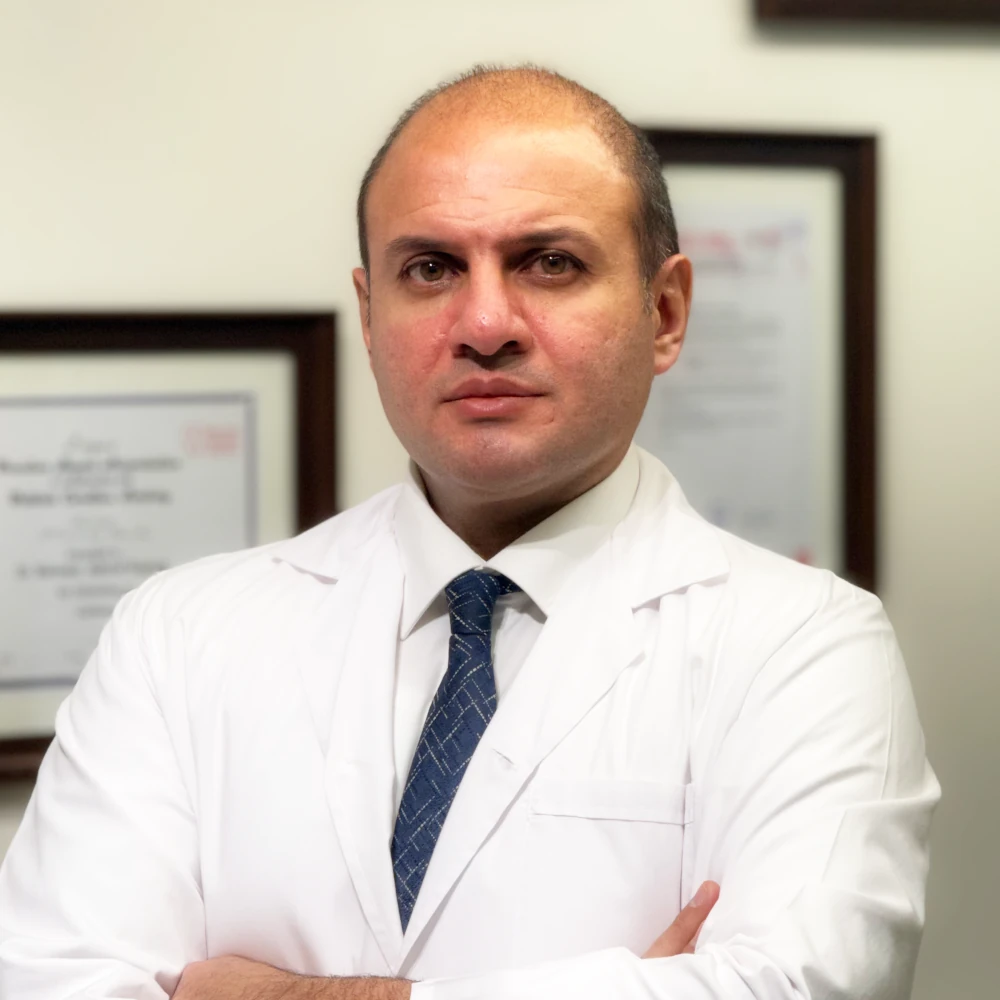
Dr. Behnam Vaghefi holds a fellowship in cardiology and vascular diseases, is a specialist in varicose vein treatment, and is a member of the American and European Heart Associations. This article has been written with the review and approval of Dr. Vaghefi, who is the author of several articles and books on cardiology and vascular diseases, and who has years of experience treating patients in his specialized clinic.
Medical Consultation