47 common questions about varicose veins; answers from a varicose vein specialist
Dr. Behnam Vaghefi, a varicose vein specialist, answers frequently asked questions from patients with varicose veins.




Dr. Behnam Vaghefi, a varicose vein specialist, answers frequently asked questions from patients with varicose veins.
In this article, we tried to examine and answer the most frequently asked questions by many patients with varicose veins.
Frequently Asked Questions from Varicose Vein Patients
The most common questions about varicose veins are:
1-What are varicose veins?
Varicose veins are a disorder in the body's veins that cannot pump blood towards the heart and cause blood to back up into the veins, and therefore the veins become twisted, enlarged and inflamed, creating varicose veins.
2-What are spider veins?
When superficial veins become varicose and appear blue or red like spider webs under the skin.
3- Do varicose veins hurt?
Yes, varicose veins can cause pain, heaviness, burning or cramps in the leg muscles, especially after standing for a long time.
4- Is there a definitive treatment for varicose veins?
Yes, unfortunately, many patients with varicose veins still do not know that due to advances in technology and medicine, there are currently different and more convenient methods for treating this disease.Very effective and definitive treatments that will get rid of varicose veins forever.
5- Are small and superficial varicose veins dangerous?
Spider veins are not very dangerous and painful in many cases and may be more annoying in terms of appearance and beauty. However, it should be noted that sometimes the presence of these types of veins can be a sign of chronic varicose veins or failure and disorder in the blood supply system of the veins. For this reason, an examination by a doctor seems necessary and necessary.
6- Are varicose veins only in the legs?
90 percent of varicose veins occur in the legs and, more rarely, they may be seen anywhere on the body, face, breasts, esophagus, testicles, and even the anus.
7- Are varicose veins hereditary and genetic?
Many varicose veins are hereditary. Especially in rope and prominent varicose veins, there is a 90 percent chance of being hereditary.If someone in your immediate family or relatives has varicose veins, be sure to get the necessary tests done before complications develop.
8- Why do varicose veins become more common in older people?
As we age, the walls of the arteries become weaker and looser, and the leg muscles, due to muscle atrophy, no longer have the necessary efficiency in pumping blood to the heart. For this reason, blood stasis in the legs increases and causes varicose veins.
9- Why are varicose veins more common in women?
One of the most important causes of varicose veins in women is the failure and weakening of the arteries due to hormonal changes. Hormonal changes in women occur in several periods.Changes in early menopause Taking hormonal drugs (contraceptives, hormonal drugs in menopause) Hormonal changes during menstruation Pregnancy.
10- What are the causes of varicose veins in pregnancy?
There are 3 reasons why women are very susceptible to varicose veins during pregnancy; Hormonal changes Pressure of the uterus on the leg veins Increased intravascular volume Due to hormonal and physiological changes that occur during pregnancy, more pressure is placed on the leg veins and therefore the possibility of developing this disease will increase. The more pregnancies and deliveries you have, the more at risk you will be of this disease. The good news is that many of these pregnancy varicose veins disappear about 6 to 12 months after pregnancy.
11- What jobs are more prone to varicose veins?
Jobs that do not have good mobility during the day and are standing or on their feet for a long time and sitting for a long time. Some jobs that are harmful to varicose veins that require standing and standing or sitting for a long time, such as; teachers, nurses, security guards, hairdressers, workers, etc., who are more likely to have swelling and bulging leg veins. Jobs that require sitting for a long time, such as employees are also very prone to varicose veins.
12. Which medications cause or aggravate varicose veins?
Taking certain medications such as corticosteroids and hormonal drugs to prevent pregnancy, regulate menstruation, and improve menopausal symptoms can cause or aggravate varicose veins.
The article "What Makes Varicose Veins Worse?" comprehensively examines the factors that predispose to or exacerbate varicose veins.
13. Which varicose veins should not be treated?
In cases where a secondary cause has caused varicose veins, varicose veins should not be treated, but the secondary cause should be eliminated first.Some secondary causes include: Pelvic masses and tumors - Pregnancy - May Thurner syndrome - Deep vein thrombosis (DVT).
14- Are varicose veins always symptomatic?
The most important thing is that the symptoms of varicose veins are not related to the severity of the varicose veins. Mild varicose veins cause severe symptoms in 70% of cases, while severe varicose veins have no symptoms in 70%. So be careful! Do not be fooled by the fact that these varicose veins are asymptomatic, because these varicose veins can eventually develop complications such as blood clots and pulmonary embolism, skin discoloration, eczema, and venous ulcers.
15- How can the symptoms of varicose veins be distinguished from other diseases?
The symptoms of varicose veins are initially mainly burning, itching and pain around the varicose veins. As varicose veins progress, symptoms of heaviness and fatigue appear throughout the leg. People tend to walk less and sit down more often.They elevate their legs to relax. Some may experience cramps, spasms and spasms in the muscles of the back of the leg. Some may experience restlessness, burning and tingling in the legs and may even develop itching and eczema throughout the entire leg.
The important point in distinguishing varicose vein symptoms is that varicose vein symptoms are usually less severe in the morning and more severe in the evening and at night. Symptoms are aggravated by hanging the legs, standing for long periods, inactivity, and are reduced by sitting and elevating the legs.
16- What are the complications and risks of not treating varicose veins?
As varicose veins progress, symptoms gradually worsen and varicose veins will gradually show their complications. Advanced complications of varicose veins include the following:
Edema or swelling: People with varicose veins gradually develop edema and swelling of the legs. Leg swelling is usually less in the morning and more in the evening, which can be reduced by elevating the legs.
Of course, this type of swelling and edema can also be caused by lymphedema, which can be determined by examination and ultrasound. Skin complications: Due to stasis and persistence of blood in the legs, the skin gradually becomes damaged and loses its vitality.
First, brown spots and hyperpigmentation appear on the skin. The spots usually start around the wrist and gradually progress upwards. Then the skin begins to thicken and the so-called leathery and thick skin is called lipodermasclerosis.This stage is very advanced and the skin becomes severely itchy and cellulites occur frequently.
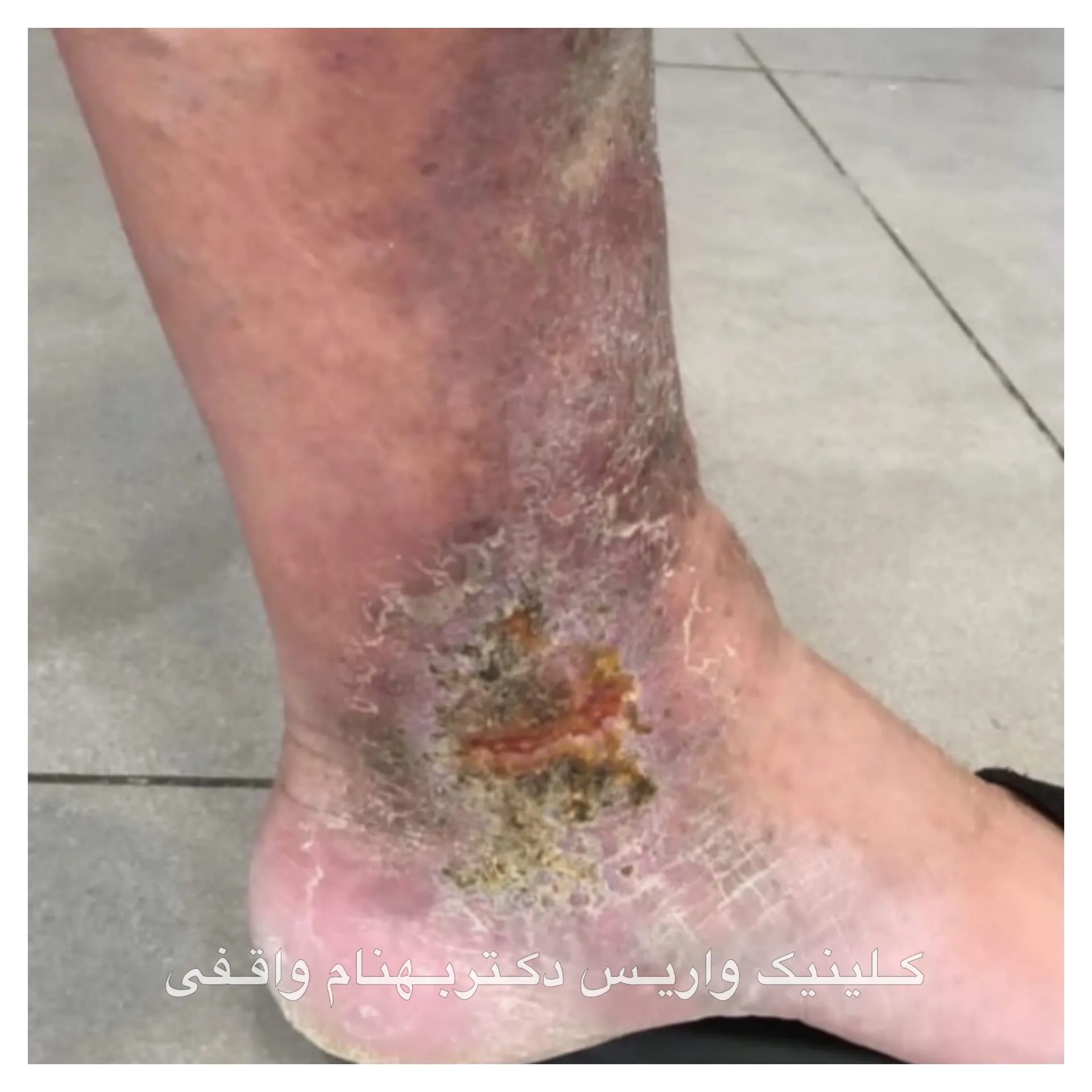
Venous ulcers: One of the worst complications of varicose veins is the development of venous ulcers due to blood stasis. The most common cause of ulcers in the leg is chronic venous insufficiency.
These ulcers are usually more common on the inside or outside of the ankle. These ulcers are usually very resistant to wound treatments and are very susceptible to severe infections and severe bleeding. Skin infection: Skin infection is another complication of varicose veins, which may occur due to dermatitis and eczema caused by varicose veins, or it can be caused by venous ulcers.
Bleeding from varicose veins: The blood pressure inside the varicose veins is very high. For this reason, varicose veins are prone to severe and life-threatening bleeding. Sometimes the patient may go to the emergency room in a state of shock and loss of consciousness.Bleeding from varicose veins may occur spontaneously and without any trauma. Or, severe bleeding may occur due to trauma or even scratching the skin.
Clots and embolism: Perhaps the most dangerous and deadly complication of varicose veins is the development of thrombosis and clots within varicose veins.
Varicose veins are very dilated and wide and the blood flow in them is slow, so they are very prone to clots. These clots may break off and cause pulmonary embolism.
17- What factors increase the risk of developing a clot due to varicose veins?
Some specific conditions can increase the risk of developing a clot: such as trauma to the varicose veins, prolonged immobility such as long car or plane trips, dehydration, for example in hot weather and excessive sweating, taking certain medications such as hormonal contraceptives, smoking, etc.
18- How can clots and embolisms caused by varicose veins be prevented?
The most important factor in prevention is definitely timely treatment before any untoward incident occurs. However, in people who do not have the conditions for treatment for any reason, the possibility of clots and pulmonary embolism can be prevented by observing the following:
- Wear varicose stockings during the day, especially when they are not moving enough.
- Be mobile enough during the day. Especially working people should walk during working hours. During long trips by car or plane, be sure to walk at appropriate intervals.
- Drink enough water and fluids throughout the day and night and avoid dehydration, especially in conditions such as exercise and excessive sweating, severe diarrhea, hot weather and summer.
19- What is the most important method for diagnosing varicose veins?
The most important diagnostic measure in the process of examining varicose veins is performing a color Doppler ultrasound.It is better to have the ultrasound performed by the doctor who is going to treat you so that he or she can understand all the details of your varicose veins.
20- What are ways to prevent varicose veins in employees and their working hours?
Employees who sit at a desk for a long time or are on their feet for a long time and do not walk are also recommended to walk frequently and intermittently during their working hours.
For example, walk for at least one minute every half hour. If you have a desk job (such as an employee), it is recommended to place a stool about 50 centimeters high under your desk so that your legs can be fully raised.
Another way to improve leg blood flow in people who cannot do the above is to move the ankle completely back and forth on the spot (so that the calf muscle is under pressure), this strengthens the calf muscle and improves blood circulation in the leg.
21- Is there a medicine to prevent varicose veins?
Most of the medicines available in the form of pills or creams and ointments in pharmacies are mainly useful in specific cases such as reducing inflammation or swelling caused by varicose veins, and it is recommended not to take them without consulting your doctor.
22- Can certain foods and diets also prevent varicose veins?
Some diets promote vascular health due to their high fiber and potassium content. Here are some of these foods:
Vegetables such as spinach, broccoli, onions, garlic
Legumes, especially lentils and beans
Nuts, especially almonds and pistachios
Fruits such as grapefruit, apples, cherries, blueberries
Cereals, Salmon
Cocoa.
23- Is coffee or tea harmful to varicose veins?
Caffeinated drinks such as tea, especially coffee, are harmful to varicose veins.
24- Is exercise good or bad for varicose veins?
In general, aerobic and light exercises improve varicose veins because they strengthen the leg muscles and improve blood flow. For example, light walking, cycling, and swimming are good for varicose veins. However, heavy and competitive exercises such as running and exercises that put a lot of pressure on the body and legs, such as weightlifting and martial arts, can aggravate varicose veins.
However, if you have to do heavy exercises, take the following seriously. Be sure to use good varicose veins socks and bandages when exercising. Do not hold your breath when exercising and lifting weights. Do aerobic exercises such as walking or cycling immediately after heavy exercise. In some special cases, such as lifting weights, try to do your exercises sitting down as much as possible.
25- Can varicose veins be treated with exercise?
Regular exercise and movement help improve blood flow and reduce varicose vein symptoms, but it does not cure them completely.
26- What are the uses of varicose vein stockings?
- Help improve the initial symptoms of varicose veins such as leg fatigue and heaviness in the legs, especially in people who have very little mobility or standing jobs such as employees, hairdressers, drivers, flight attendants and teachers.
- Prevent the development of varicose veins in: People who are prone to occupational diseases. During pregnancy. After surgery when the patient has to rest for long periods.
- Treat advanced symptoms of varicose veins such as: symptoms of chronic venous insufficiency, leg swelling, skin changes and leg ulcers Prevent the formation of leg clots Treat orthostatic hypotension.
27- When should we wear varicose veins stockings?
It is best to wear them in the morning before getting out of bed.If you have to take off your socks during the day (e.g., bath / swimming pool), be sure to elevate your legs for 10 minutes before putting them back on.
28- How many hours a day should you wear varicose veins socks?
1 - In occupational prevention cases, you should only wear socks during working hours, for example, from morning to evening.
2 - In therapeutic cases, such as reducing leg swelling, reducing pain and heaviness, and preventing clots, it is better to wear socks immediately after waking up in the morning and take them off at night before going to bed.
3 - In post-operative recovery cases, you should wear socks at all hours of the day and night.
29- What is the purpose of varicose veins treatment?
Before treating varicose veins, you should know how severe and extensive your varicose veins are, what the risks are for you, what the appropriate treatment for your varicose veins is and what the benefits of the treatment are for you. In fact, the goal of varicose vein treatment can be examined in three general categories: 1 - Preventing complications and risks of varicose veins: such as blood clots and pulmonary embolism, Venous ulcers, Severe skin changes and eczema, Severe and fatal bleeding.
2 - Improving varicose vein symptoms: such as pain, heaviness and fatigue in the legs, Itchy skin, Burning skin and swelling in the legs.
3 - Beauty and increasing self-confidence.
30- Which treatment is better for superficial varicose veins; sclerotherapy or skin lasers?
Sclerotherapy is currently considered the gold standard treatment for small varicose veins. In sclerotherapy, a special sclerosant drug is injected into the varicose veins, which, by destroying the inner wall of the vein, gradually shrinks and removes the vein from the body.
In short, the preferred and gold standard method for treating superficial varicose veins is sclerotherapy. Superficial lasers have a temporary effect, are usually painful, require more sessions and must be repeated frequently due to the high recurrence rate of the laser. Superficial lasers are used in very specific cases, including:
- People who are allergic to sclerotherapy drugs.
- Very small and pink varicose veins less than 1 mm in size
- Facial and body varicose veins, which are mostly small.
31- Which treatment is better for severe, prominent varicose veins: endovascular ablation or open surgery?
Endovascular ablation treatments are newer than other varicose vein treatments. This method is mainly used to treat varicose veins and has actually replaced vascular surgery, but it can also be used in other specific cases. Advantages of this method: In this method, there is no need for surgical incisions and the scar on your leg will not be visible.
This is especially important for people who are concerned about aesthetics. Unlike surgery, there is no need for rest or recovery after this treatment, and the patient can return to their daily activities and work. Unlike surgery, there is no need for anesthesia and it is performed under local anesthesia.Surgery is performed in a hospital and requires a few days of hospitalization and then home, but this treatment is performed in a clinic and is considered an outpatient.
The entire procedure is done through a 1 mm needle inserted into a vein and does not require stitches. There is no bleeding. Vascular surgery is performed by a variety of surgical methods according to the opinion of a vascular surgeon. Today, due to the emergence of new and less invasive methods, vascular surgery is no longer the first treatment method and, depending on the opinion of the surgeon, is recommended only in certain cases.
Disadvantages of surgery: It requires hospitalization and a long recovery period at home. (While endovascular methods are completely outpatient and without recovery.) It requires an operating room and anesthesia. There is bleeding. The stitches and scar from the operation remain on the leg. If the operation is not performed properly, there is a high chance of varicose veins recurring.
32- So, with all these disadvantages, is varicose vein surgery still used today?
Yes, In specific cases where endovascular laser is not possible, surgery may be recommended. Especially in individuals with very large vein diameter and extreme vein tortuosity according to ultrasound findings.
33- How is varicose vein adhesive (glue) treatment performed?
Treatment with VenaSeal or varicose vein glue is also applicable in some cases of cord-like varicose veins. However, compared to endovascular laser ablation methods, they have lower efficacy, higher recurrence rates, and potentially more complications. Therefore, they have more limited applications. In summary, for the treatment of cord-like varicose veins, the preferred method is endovascular ablation. Surgery, due to its complexity, invasiveness, and consequences, is only used in specific cases.
34- Are varicose veins dangerous?
In most cases, varicose veins do not pose a serious risk. However, due to chronicity or progression, they may cause symptoms such as blood clot formation, ulceration, or infection. Therefore, they must be evaluated by a specialist.
35- Are varicose veins contagious?
No, varicose veins are a vascular disease and are not contagious or transmissible.
36- Do varicose veins occur in young people?
Yes, varicose veins can occur at any age, even youth, especially if you have predisposing factors. For more information, you can read the article on the cause of varicose veins in young people.
37- Does blood thickness (polycythemia/hemoconcentration) cause varicose veins?
Blood thickness does not directly cause varicose veins, but it may increase the likelihood of developing or worsening varicose veins and clot formation.
38- Why have I developed varicose veins?
Varicose veins may occur due to various reasons such as genetics, age, gender, hormonal changes, pregnancy, obesity, trauma, or prolonged standing and sitting.
39- Do varicose veins cause cancer?
No, no direct relationship between varicose veins and cancer has been discovered to date.
40- When should I see a doctor for varicose veins?
If you notice swollen and twisted veins, pain and swelling, or a feeling of fatigue or heaviness in your legs, it is best to consult a specialist as soon as possible.
41- Do varicose veins progress?
According to studies, the prevalence of mild varicose veins in some communities reaches up to 70%, which is a very high rate. More severe, prominent, and cord-like varicose veins may be seen in about 2-20%.
It has been observed that in individuals who were candidates for varicose vein treatment but did not receive it for various reasons, varicose veins progressed in 65%, 25% developed skin complications, 15% developed venous ulcers, and 5-10% developed blood clots. Therefore, varicose veins are a progressive disease, and lack of treatment typically leads to disease progression and complications.
42- What is the difference between leg varicose veins and leg edema (swelling)?
Leg edema and varicose veins share similar symptoms, which is why most people confuse them. Leg edema occurs due to swelling of the soft tissues of the leg in one or both legs. Its most common symptom is swelling of the legs and ankles. Other signs include stretched and shiny skin over the swollen area, and pitting (an indentation remains after pressing a finger on the swollen area).
There is a feeling of pain and heaviness in the legs similar to varicose veins. However, in varicose veins, the cause is vein swelling and impaired blood circulation, whereas in leg edema, it is due to the accumulation of excess fluid in the leg tissues. Various causes lead to leg edema, such as heart failure, infection, injury to leg tissue or bone, certain medications, liver and kidney diseases, pregnancy, heat, blood clots, etc.
43- Do varicose veins cause leg bruising?
Yes, venous insufficiency and blood pooling in the veins increase their fragility and can lead to leg bruising.
44- Is cold or heat good for varicose veins?
In general, extreme cold or heat, especially long-term, is not good for varicose veins. Reading the article "Is cold good for varicose veins?" can be useful.
45- Do varicose veins recur after treatment?
If varicose veins are treated properly and effectively, there is no possibility of recurrence. However, if you do not maintain a healthy lifestyle, other veins may become affected by varicose veins.
46- Is fasting dangerous for varicose veins?
Generally, dehydration increases the risk of blood clotting in varicose veins. Therefore, if fasting, one must ensure the body does not face dehydration.
47- What kind of doctor or specialist should I see for varicose veins?
A vascular specialist who has completed a fellowship in vascular or venous diseases, like Dr. Vaghefi and possesses sufficient experience and skill in treating varicose veins.
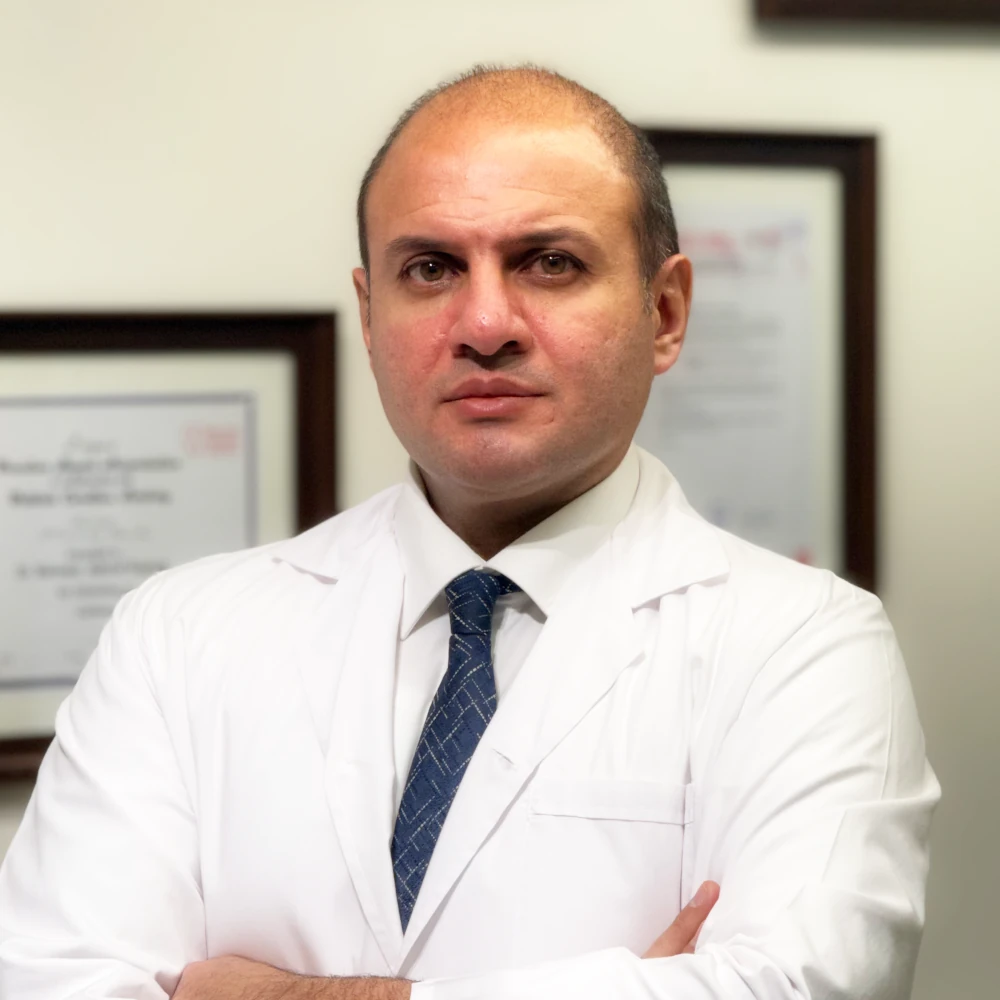
Dr. Behnam Vaghefi holds a fellowship in cardiology and vascular diseases, is a specialist in varicose vein treatment, and is a member of the American and European Heart Associations. This article has been written with the review and approval of Dr. Vaghefi, who is the author of several articles and books on cardiology and vascular diseases, and who has years of experience treating patients in his specialized clinic.
Medical Consultation