
Cause of Hand Varicose Veins: Symptoms + Types + Prevention and Treatment
Our hands do thousands of things for us every day; from touching the hands of our loved ones to carrying the heavy burdens of life! The appearance of prominent veins on them is a reflection of lifestyle, exercise or natural hormonal and age-related changes.




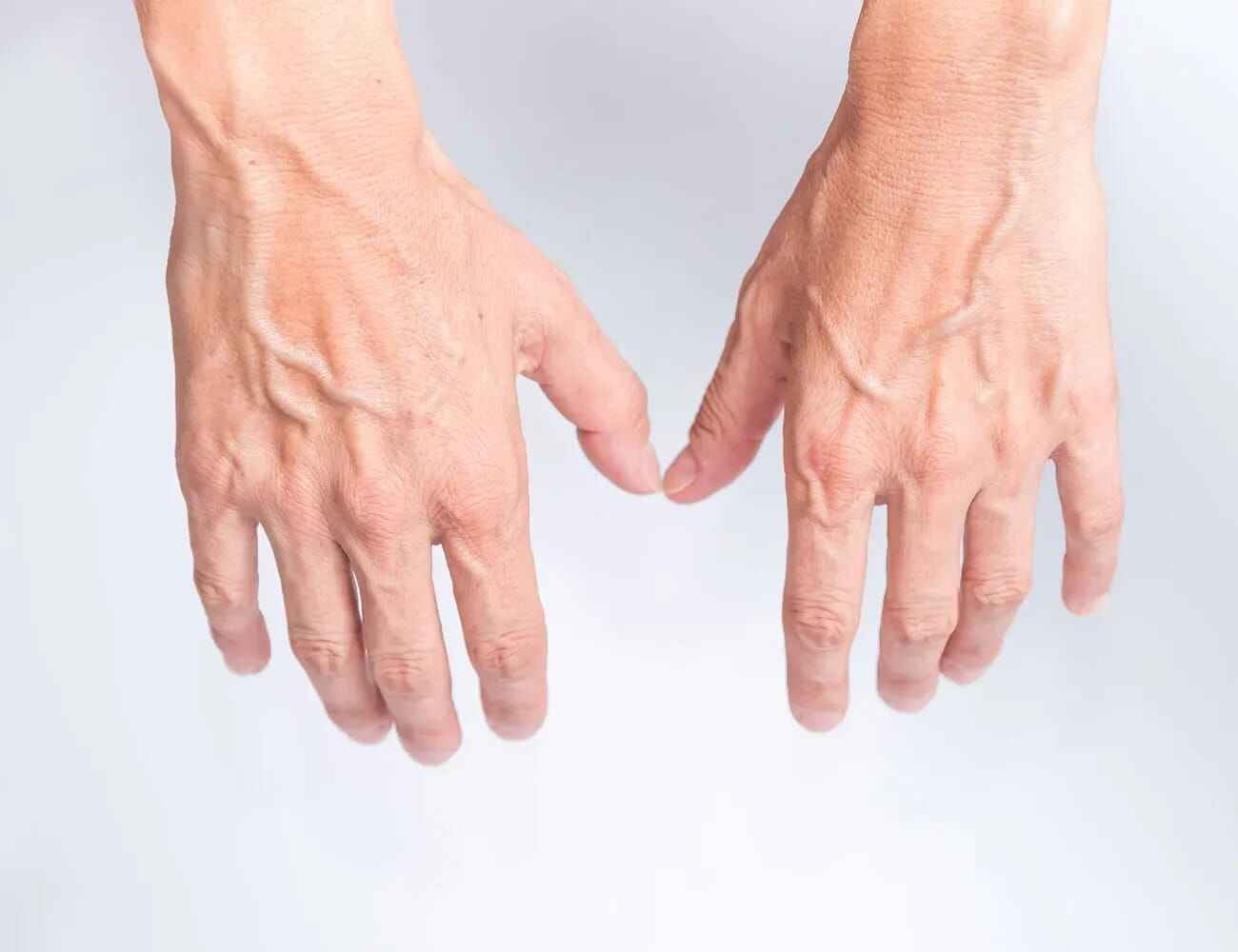
Our hands do thousands of things for us every day; from touching the hands of our loved ones to carrying the heavy burdens of life! The appearance of prominent veins on them is a reflection of lifestyle, exercise or natural hormonal and age-related changes.
- Prominent Veins on Hands and Fingers
- Causes of Prominent Hand Veins or Hand Varicose Veins
- Signs and Symptoms of Hand Varicose Veins
- Diagnosis of Hand Varicose Veins
- Types of Hand Varicose Veins
- Prevention and Home Remedies for Hand Varicose Veins
- Modern, Non-Surgical Treatments for Hand Varicose Veins
You may glance at the back of your hands and notice blue, dark, rope-like and prominent veins that were not there a few years ago or at least were not so noticeable. For many people, especially women, the appearance of the hands is very important.
Hands are one of the first parts of the body to show signs of aging. The appearance of these prominent and spiral veins gives an unpleasant feeling of premature aging and loss of hand beauty. Hearing the word "varicose veins" may cause concern: "Are my hands going to get worse? Does this pose a health risk?" The truth is, prominent hand veins in most cases are structurally and essentially different from leg varicose veins.
In this article, we aim to explain in simple language, but based on scientific evidence, what is happening in the depths of your skin and how you can restore youthfulness to them without fear.
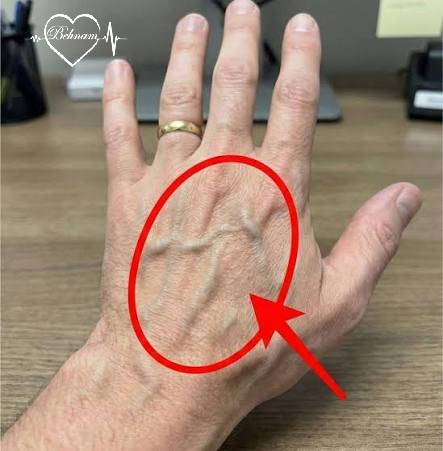
Prominent Veins on Hands and Fingers
To understand the root cause of this condition, we must first correct a common misconception. The anatomy and physiology of the vascular system show that the venous system of the hands and feet are two completely different worlds. It is true that both the veins of the legs and the veins of the hands are equipped with one-way valves (valves) to prevent the backflow of blood returning to the heart, but their environmental conditions are not the same.
The leg veins must pump blood vertically, over a long distance, and against the force of gravity. This constant pressure, in case of weakness, easily damages the valves, causing blood to pool in the veins, leading to "leg varicose veins." In contrast, your hands are mostly at the level of the heart or parallel to the ground. When walking, the hands swing and the muscle pump of the arm and forearm easily returns blood to the heart.
According to skin and vascular anatomy, the prominence of hand veins is more of a "skin and tissue phenomenon" than a "vascular disease." On the back of the human hand, veins naturally exist, but they are hidden by three protective layers:
Collagen and Elastin: Proteins that give the skin thickness, elasticity and vitality.
Subcutaneous Adipose Tissue: A cushioning layer of natural fat that fills the space between the veins and the skin.
Hydration and Moisture Retention.
When these protective layers degrade for various reasons, the natural and completely healthy veins of the hand which have always been there, lose their shelter. They approach the skin's surface, become visible, and appear rope-like and blue. So in most cases, your hand veins are not diseased; it is the skin and fat of your hand that have thinned, revealing the vein.
Causes of Prominent Hand Veins or Hand Varicose Veins
Physicians and researchers in vascular and skin sciences have identified several factors as catalysts and main causes of these veins becoming visible. Understanding these causes will help you find the root of the problem:
a) The Natural Process of Aging
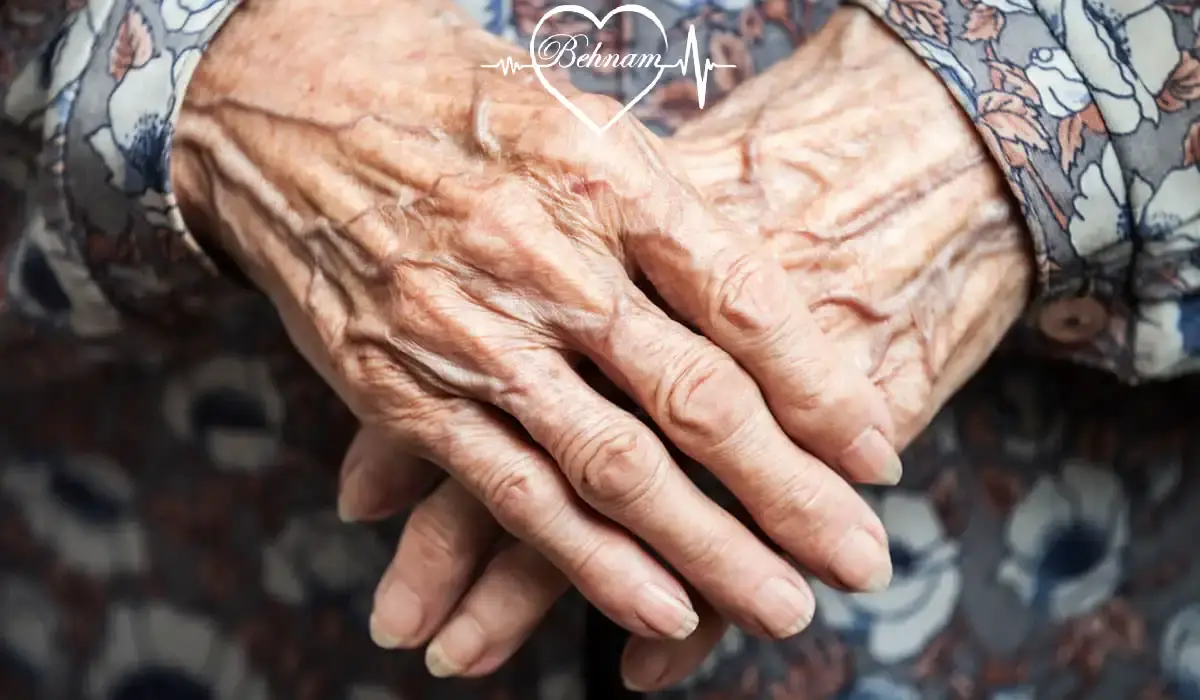
With increasing age, the production of collagen and elastin in the body drops significantly. The skin on the back of the hands gradually becomes thin, fragile, and tissue-paper-like. Simultaneously, the beneficial subcutaneous fat of the hands also begins to melt away. When this cushioning layer disappears, the superficial hand veins have no choice but to become prominent and visible on the skin's surface.
b) Heavy Sports, Bodybuilding and Manual Work
You have probably seen that professional athletes and bodybuilders have hands and forearms full of thick, rope-like veins. In the world of bodybuilding, this phenomenon is called "vascularity." The scientific mechanism behind this is twofold:
Increased Arterial Blood Flow: When lifting heavy weights, the hand muscles require a massive amount of oxygen. The arteries bring a lot of blood, and consequently, the veins must dilate to return this volume of blood. With continued exercise, this vein dilation becomes permanent.
Very Low Body Fat Percentage: Bodybuilders minimize their subcutaneous fat, so their healthy and widened veins protrude completely.
c) Genetics, Hereditary Anatomy and Extreme Thinness
Some people are genetically and congenitally predisposed to have thinner skin or less subcutaneous fat distribution in their hands. Also, individuals with very low body weight or those who have suddenly followed strict diets and lost weight lose the fat on the back of their hands, making their veins fully visible even without being diseased.
d) Hormonal Changes and Menopause in Women
The hormone estrogen plays a key role in women in maintaining skin thickness, texture, and collagen structure. With the onset of menopause and a sudden drop in estrogen levels, the skin of the hands quickly begins to age and thin. This is why many women in their late forties and early fifties are suddenly surprised by the prominence of their hand veins.
e) Injection-Related Damage in the Hands
Sometimes, hand vein prominence is caused by local inflammation. Individuals who, due to chronic diseases, hospitalization, or frequent blood sampling, have repeatedly had IV lines or heparin locks placed in their hands may develop inflammation of the vein wall (superficial phlebitis). This inflammation causes the local vein to become hard, rope-like, prominent and its appearance may not return to normal even after the underlying illness has resolved.
Signs and Symptoms of Hand Varicose Veins
Many visitors to vascular clinics begin their consultation with, "My hands have become ugly." This means that, in the first instance, the symptoms of hand varicose veins are entirely cosmetic. These symptoms include spiral, prominent veins that are dark blue, green, or purple in color on the back of the hand and sometimes on the wrist and forearm. In this state, the veins are completely palpable under the fingers and feel like touching a small straw or soft rope.
However, the key question is: Does hand vein prominence always remain at this cosmetic stage? The answer is no. In a small percentage of people, when vascular pressure increases or inflammation develops in the vein, sensory and clinical symptoms may also appear. If, in addition to the prominent appearance, you experience the following symptoms, the issue has gone beyond a simple cosmetic concern:
A dull, throbbing pain in the hand, especially felt at the end of a heavy workday or after lifting objects.
A feeling of heaviness and heat when you keep your hands hanging for a long time (e.g., during walking), feeling blood pooling and the back of the hand becoming hot.
Shooting pain or tingling in the fingers due to the pressure of dilated veins on delicate nerve endings on the back of the hand, which may cause a pins-and-needles sensation or numbness in the fingers.
Decreased wrist and finger strength in very rare cases, the patient feels their hand lacks its former strength for opening a bottle or picking up objects.
Diagnosis of Hand Varicose Veins
For diagnosis, pay attention to the following:
| Diagnostic Factor | Prominent Veins from Aging & Thinness | Prominent Veins from Bodybuilding & Work | Diseased Varicose & Vascular Insufficiency |
|---|---|---|---|
| Appearance | Flat or slightly wavy, without large knots | Completely flat, thick, elongated and very firm | Spiral, knotted, mass-like and severely twisted |
| Pain & Sensation | No pain; skin is just thin | Painless; accompanied by muscle pump and a feeling of strength in the hand | Dull pain, burning, sudden heat and shooting pain |
| Skin Changes Around the Vein | Skin is only wrinkled, dry and thin | Skin is completely healthy, young, and vibrant | Possible redness, eczema, flaking, and local swelling |
| Effect of Elevating the Hand | Veins completely fade or flatten when raised above the heart | Slight reduction in prominence when raised but remains due to vein diameter | Veins do not fully empty even when the hand is raised and remain prominent |
| Risk Level & Need for Treatment | No danger; treatment is purely cosmetic | Sign of health and fitness; no medical treatment needed | Requires investigation; consult a doctor to prevent clotting or inflammation |
In most cases, hand vein prominence is a cosmetic issue related to skin and fat thinning, not a vascular disease. However, if accompanied by pain, heat or skin changes, it requires medical evaluation.
Types of Hand Varicose Veins
Prominent veins on the hands do not have the same shape and nature for everyone. You might think any prominent vein on the hand is "varicose veins," but the reality is that these veins are divided into different categories based on size, depth under the skin and the cause of their appearance. Knowing these types will help you assess the exact condition of your hands without unnecessary worry. In general, hand prominence and varicose veins fall into one of the following categories:
1. Superficial Varicose Veins (Rope-like and Thick Veins)
This is the most common type that causes concern. In superficial varicose veins, the main and large veins on the back of the hand or forearm become dilated, rope-like and twisted. Their color is dark blue or green, and they are completely palpable under the fingers. If these veins are flat, they are often caused by work or exercise but if they take on a spiral and knotted appearance, they indicate mild venous insufficiency.
2. Reticular Varicose Veins (Blue Veins)
Reticular veins are slightly smaller than superficial veins. These veins appear as a network or widened strands of dark blue or green color under the skin of the forearm, wrist and back of the hand. They are usually painless but alter the appearance of the hand.
3. Spider Varicose Veins (Delicate Veins)
This category does not resemble ropes or thick veins at all. Spider varicose veins consist of very fine, delicate, hair-like capillaries that are red or purple, appearing like tree branches or small spider webs on the back of the hand or even around the fingers. This type of varicose vein is not prominent and is mostly a cosmetic concern.
4. Age-Related Hand Vein Prominence
This phenomenon is not a vascular disease at all! In this case, your hand veins are completely healthy, flat and functioning properly; but due to aging, the skin on the back of the hand has become thin like paper and the natural subcutaneous fat has melted away. As a result, the veins have lost their shelter and become prominent.
5. Secondary Varicose Veins
This type of vascular prominence occurs suddenly and due to an external event. For example, after hospitalization and repeated IV or heparin lock injections or due to a severe blow to the hand, the vein becomes inflamed (phlebitis) or develops superficial clots, remaining as a hard and painful cord.
Prevention and Home Remedies for Hand Varicose Veins
Many medical websites immediately direct you toward surgical beds or expensive clinical injections. But the truth is, if your hand veins are due to aging, thinness or exercise, you can slow their progression and restore firmness to your hand skin with a few simple strategies:
1. Daily Use of Sunscreen on the Back of the Hands
You might be surprised, but UV radiation from the sun is the greatest enemy of skin collagen. We apply sunscreen to our faces every day but we leave our hands defenseless against intense sunlight while driving or walking. Sunlight destroys the collagen on the back of the hands, thins the skin like paper and pushes the veins out. From today, apply sunscreen to the backs of your hands as well.
Do not forget that not applying sunscreen to your face can also be one of the causes of facial varicose veins.
2. Deep Hydration and Use of Creams Containing Hyaluronic Acid and Collagen
Dry skin makes veins appear more prominent. Regular use of strong moisturizing creams will make your hands look plumper and more hydrated. This creates a temporary and beneficial layer of moisture over the veins, reducing their appearance.
3. Gentle Corrective Exercises to Drain Blood
If you feel heaviness in your hands at the end of the day, do two simple exercises:
Raise your hands above the level of your heart for 2-3 minutes (e.g., on an armrest) to let gravity help drain the blood.
Gently open and close your fingers (making a fist); this acts like a natural pump, directing blood upward.
4. Protecting Hands with Gloves in Daily Tasks
When washing dishes, working with chemicals or gardening, be sure to wear gloves. Constant micro-trauma and contact with acidic detergents destroy the minimal fat tissue on the back of the hands more quickly and make veins visible.
Modern, Non-Surgical Treatments for Hand Varicose Veins
If home remedies and preventive solutions are too late for your hands, medical science offers outpatient, painless and highly effective options. Today, traditional surgeries and large incisions are obsolete, replaced by the following refined methods:
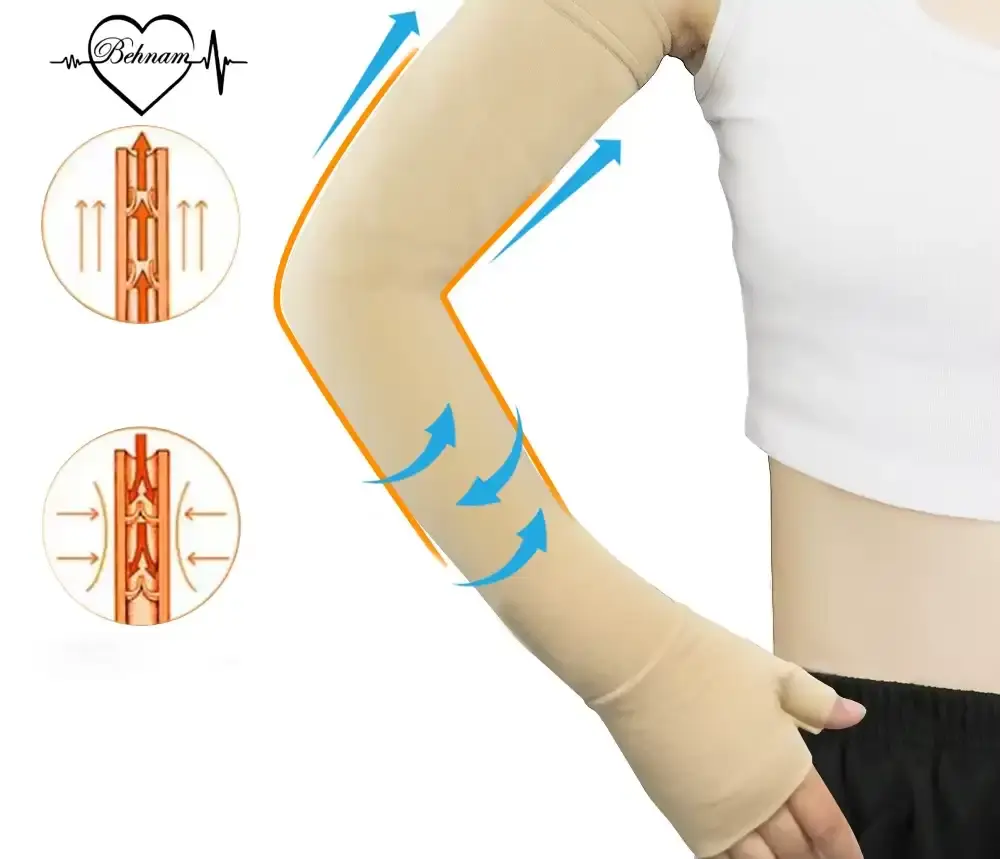
- Compression Medical Sleeves
These sleeves are made from highly elastic, densely woven fabric and apply a specific, standardized pressure to the hand. However, their application differs fundamentally from compression stockings for varicose veins:
Main Use: These sleeves are not primarily made for treating hand varicose veins! Their main use is for people who, due to specific surgeries (like axillary lymph node removal in breast cancer treatment), develop severe fluid accumulation and swelling in the hand, known as "lymphedema."
Use in Hand Varicose Vein Treatment: You only need these compression sleeves for your hand veins precisely after undergoing sclerotherapy or endovenous laser. The vascular specialist may ask you to use these sleeves for several days to several weeks after injection or laser. This gentle, continuous pressure helps the treated vein walls stick together faster, eliminates bruising, and gives you a better cosmetic result.
Filler or Natural Fat Injection; Hand Skin Rejuvenation
As we said, in most cases, hand veins are not diseased; rather, the subcutaneous fat has been lost. The best and most natural solution for these hands is to replace this cushioning layer.
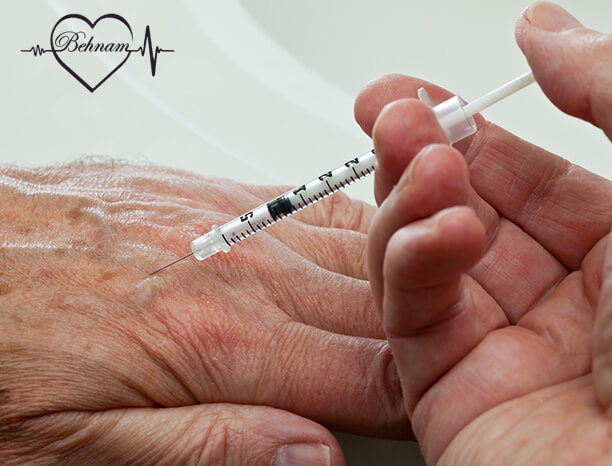
Gel Injections (Fillers): A vascular or dermatology specialist gently injects fillers containing hyaluronic acid or collagen stimulators into the empty spaces on the back of the hand. This immediately pushes the veins back under the skin and makes your hands look full, smooth and young.
Fat Injection: In this method, a small amount of fat is taken from areas like the abdomen or flanks, purified and injected into the back of the hand. The advantage of this method is its high longevity and naturalness.
Sclerotherapy for Hand Varicose Veins
If the veins are excessively dilated, twisted, and dark, the doctor will use the sclerotherapy method. In this method, using extremely fine needles, a special medicinal agent called a "sclerosant" is injected directly into the prominent veins. This agent irritates the vein wall, causing it to close and stick together. Over time, this malfunctioning vein is absorbed and eliminated by the body and blood is redirected to deeper, hidden veins.
Superficial and Endovenous Laser (EVLA)
For very wide veins or conversely, very fine spider veins on the wrist, laser beams are a good option. In endovenous laser, a very thin optical fiber is inserted into the diseased vein under ultrasound guidance and using thermal energy, it closes the vein from the inside. This method is completely outpatient and leaves no scars on the hand.
When is Hand Vein Prominence or Hand Varicose Veins Dangerous?
Although we said that hand veins are mainly a cosmetic concern, as a scientific reference, we are obliged to also point out the dark side and potential medical risks. The vascular system of the hands, like any other part of the body, can experience crises. If you observe any of the following symptoms, immediately and without delay, go to a vascular clinic or emergency room:
Sudden Rope-like Hardness with Severe Pain: If one of the veins on the back of your hand or forearm suddenly becomes hard like a wire, severely painful and darkens in color, you may have developed "phlebitis or superficial blood clotting."
Redness, Extreme Heat and Unilateral Swelling: If your entire hand or wrist suddenly swells without trauma and the skin becomes hot and red, this could be a sign of tissue infection or venous obstruction.
Bleeding from a Prominent Vein: The skin over varicose veins is very thin. If a vein ruptures due to a minor injury and severe bleeding occurs, raise your hand, apply firm pressure with a clean cloth and go to the emergency room.
Conclusion
Our hands do thousands of things for us every day; from touching the hands of our loved ones to carrying the heavy burdens of life! The appearance of prominent veins on them is a reflection of lifestyle, exercise or natural hormonal and age-related changes. Remember that in most cases, these veins are completely healthy and have only lost their protective cushion of fat and collagen.
There is no need to fear dangerous complications like embolism, as long as you understand the difference between a normal vein and a varicose vein. If the appearance of your hands has negatively affected your self-confidence, the first and best step is to consult a vascular specialist (phlebologist). With a simple examination or ultrasound, they will determine the best prescription to restore vitality and youth to your hands.
Learn more: Where do varicose veins develop in the body?
Frequently Asked Questions
Can prominent hand veins cause deep vein thrombosis (DVT) or pulmonary embolism?
No, the chance of this is very low. Dangerous clots that travel to the lungs (DVT) form in the deep and large veins of the legs, which are under the severe pressure of gravity. Hand veins are mostly superficial and have low vascular pressure. The only risk that might threaten a hand vein is very small, superficial clots caused by IV injections or trauma, which are not life-threatening and only cause local pain and hardness of the vein.
Is there an ointment or cream that can completely eliminate prominent hand veins?
There is no ointment, cream or herbal oil that can completely push in or eliminate a dilated and prominent vein. However, creams containing retinol, hyaluronic acid and collagen, by thickening and hydrating the skin tissue on the back of the hands, can somewhat reduce the appearance of the veins and make the hands look younger, but they do not eliminate the varicose vein.
Why do my hand veins only become prominent and swollen in summer or on hot days?
This is a completely normal and physiological response of the body. When the weather becomes hot, the body, to cool itself and dissipate heat, dilates the superficial veins, especially in the hands, to allow more blood to flow to the skin's surface and cool down. As the weather cools or you enter a cool environment, these veins constrict and subside again.
Is treating prominent hand veins with sclerotherapy or laser dangerous and does it disrupt hand circulation?
No, these treatments are safe. The back of the hand has a very dense and complex network of veins. When a doctor closes one or more aged, dilated and misshapen superficial veins with sclerotherapy or laser, the body's intelligent vascular system immediately redirects the blood to healthier, deeper and hidden veins. Therefore, no circulatory disturbance occurs in the hand.
At what age do hand veins start to become prominent and is there a way to stop it?
Typically, this process begins in the late 30s and early 40s due to the gradual decline of collagen and accelerates in women after menopause. You cannot completely stop the natural process of biological aging but with a few simple strategies daily use of sunscreen on the back of the hands, keeping hands constantly moisturized, drinking enough water and avoiding sudden and extreme weight loss, you can delay this process.
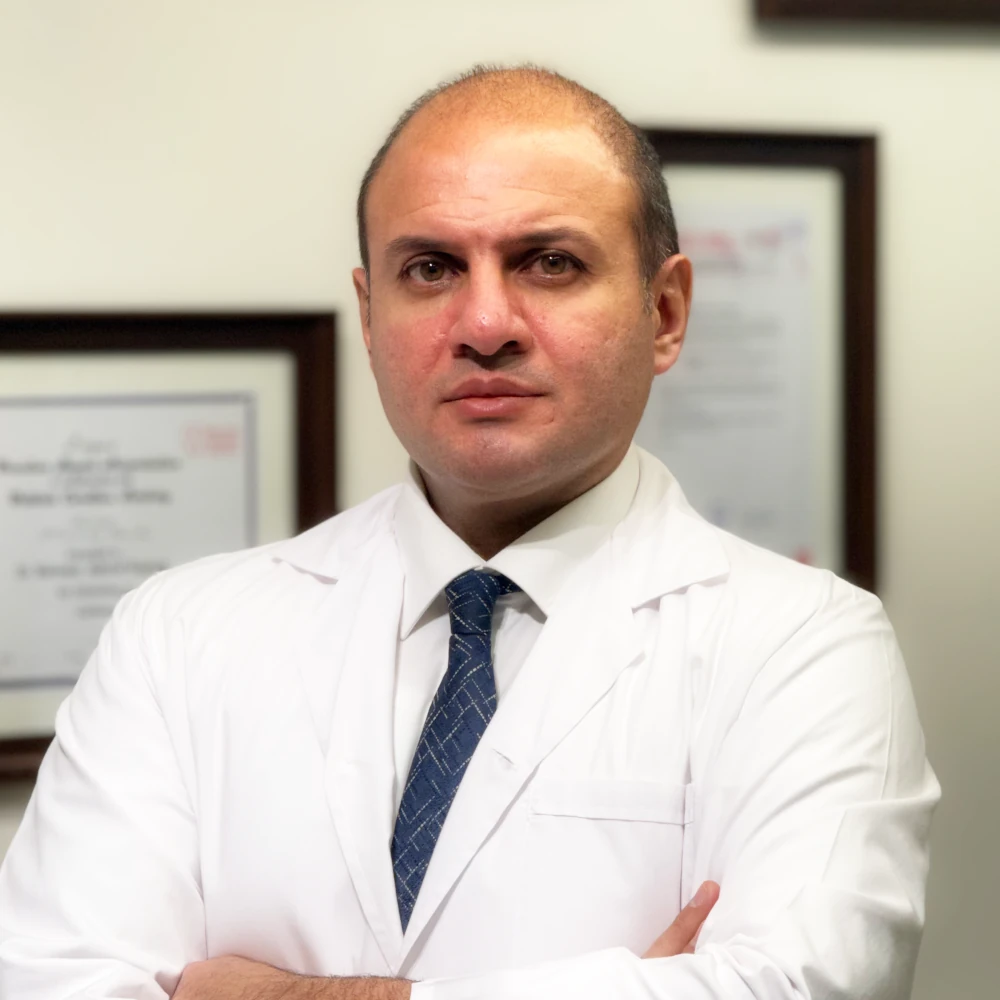
Dr. Behnam Vaghefi holds a fellowship in cardiology and vascular diseases, is a specialist in varicose vein treatment, and is a member of the American and European Heart Associations. This article has been written with the review and approval of Dr. Vaghefi, who is the author of several articles and books on cardiology and vascular diseases, and who has years of experience treating patients in his specialized clinic.
Medical Consultation