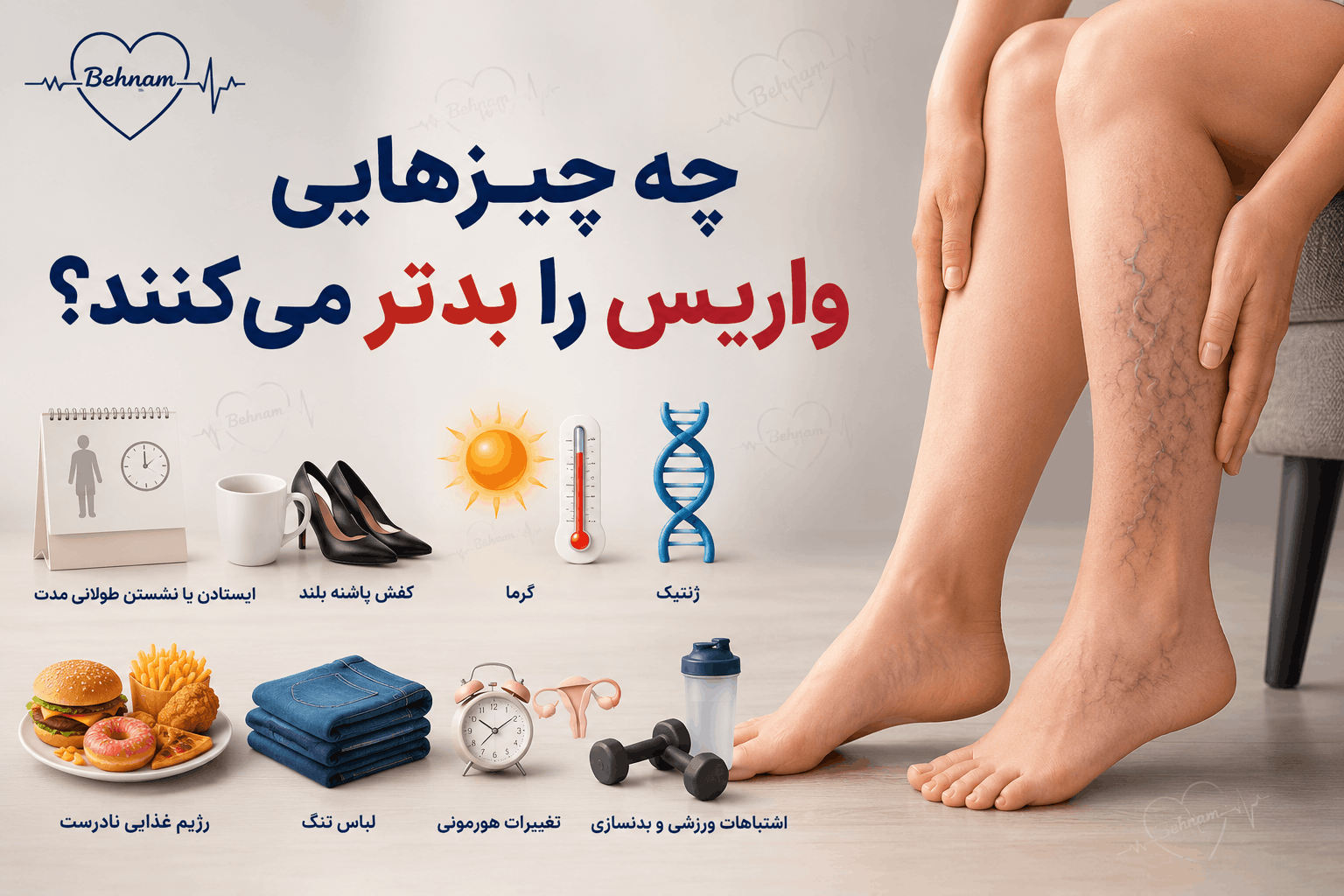
What Makes Varicose Veins Worse? 8 Key Factors + Solutions
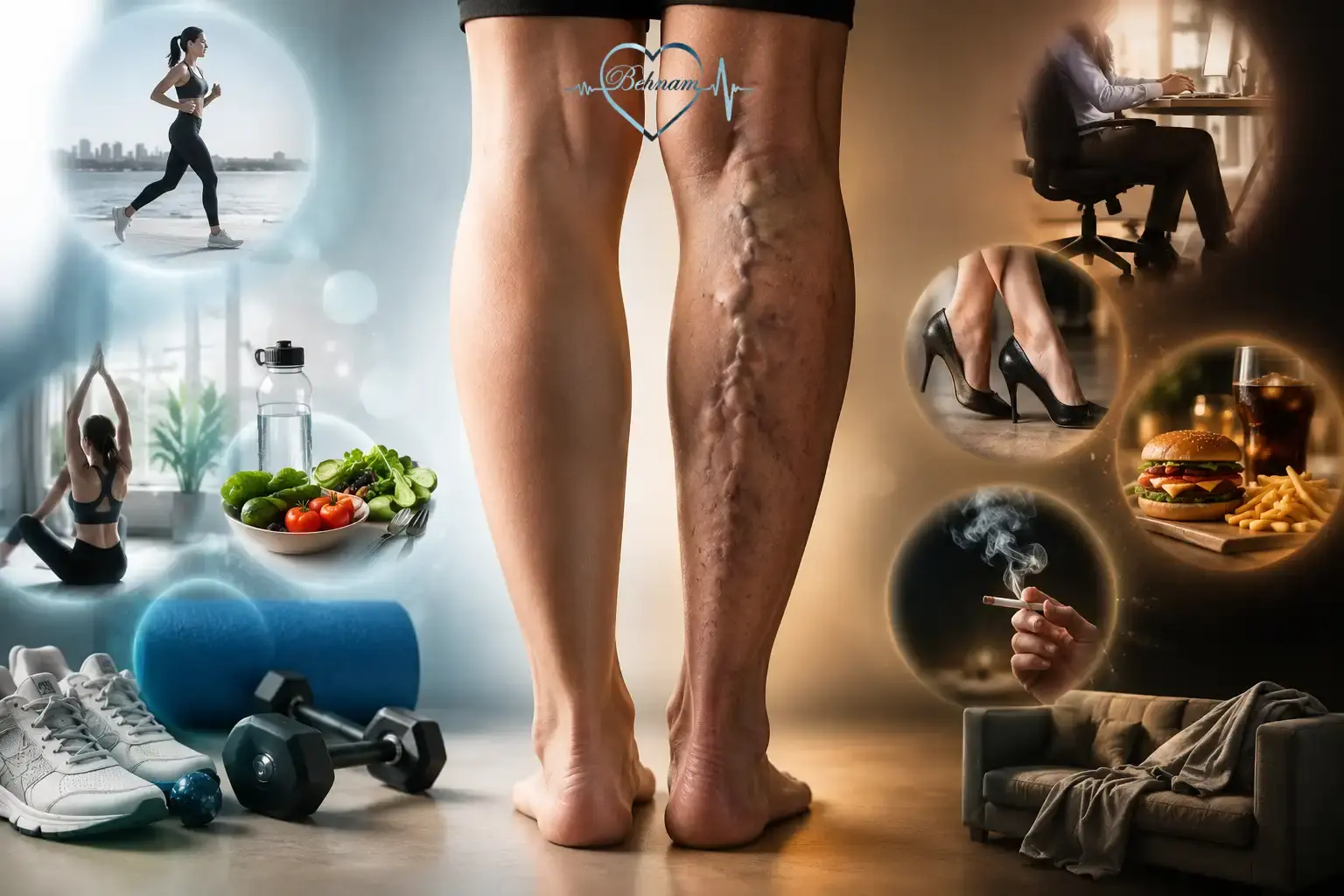
Clinical treatments and medications are only half the path to recovery; the other, hidden half lies in lifestyle and seemingly harmless daily habits performed unconsciously.



Clinical treatments and medications are only half the path to recovery; the other, hidden half lies in lifestyle and seemingly harmless daily habits performed unconsciously.
- Incorrect and Harmful Movement Behaviors for Varicose Veins
- Is Varicose Veins Hereditary and Genetic?
- Heat: A Vein Dilator
- Diseases That Can Worsen Varicose Veins
- Hormonal Changes and Drug Interactions: Vein Relaxers
- Diet and Lifestyle Harmful to Varicose Veins
- Style and Attire: Fashion at the Cost of Venous Insufficiency
- Exercise Mistakes: How Bodybuilding Can Cause Leg Varicose Veins
Many people suffering from varicose veins or venous insufficiency may ask themselves this frustrating question: "Why are my varicose veins getting worse despite taking my medications or wearing compression stockings?"
This problem afflicts a large number of patients. The truth is that clinical treatments and medications are only half the path to recovery; the other, hidden half lies in lifestyle and seemingly harmless daily habits performed unconsciously.
Varicose veins are a vascular disease affecting the veins, in which the valves inside the veins lose their function. In this condition, instead of moving upward toward the heart, blood pools in the calf due to gravity.
Any behavior, posture, or even underlying disease that increases the pressure inside these vessels accelerates the destruction of these valves. In this comprehensive guide, we will identify the hidden enemies of your veins from everyday movement patterns and weightlifting mistakes to deep-rooted genetic factors and specific silent diseases that destroy your leg veins.
Incorrect and Harmful Movement Behaviors for Varicose Veins
The venous circulatory system in human legs, unlike arteries is not equipped with a powerful pump like the heart to move blood under pressure. Leg veins rely on a vital auxiliary system called the "calf muscle pump." Whenever you walk, the calf muscles contract, compressing the veins and propelling blood upward like a syringe; meanwhile, the valves within the veins close to prevent blood from flowing backward.
One of the enemies of the venous system is inactivity and immobility.
a) Prolonged Standing
Standing still for long periods in occupations such as teaching, hairdressing, surgery, or baking is the most dangerous posture for leg vessels. When you stand for hours without moving, the calf muscle pump is completely inactive. Meanwhile, gravity pulls blood downward.
This combination causes a massive volume of blood to pool in the lower leg veins and ankles. Over time, the hydrostatic pressure of blood inside the vessels rises sharply, dilating the vein walls. As the vein dilates, the valve edges no longer meet, leading to permanent venous insufficiency, manifested by severe ankle swelling, leg pain and heaviness at the end of the day.
b) Prolonged Sitting and Desk Work
Many office workers assume that because they sit all day and their legs are not bearing weight, they are safe from varicose veins; however, this is a completely false belief. Prolonged sitting at a desk worsens varicose veins for two main reasons:
In the seated position, the calf muscles do not contract, and the venous pump is completely stopped.
The 90-degree bending of the knees and hips creates a mechanical kink in the main veins behind the knee and in the groin. This kink increases resistance to blood flow and severely slows venous return. Blood accumulates behind these mechanical knots, making superficial veins more prominent.
c) Crossing Legs
One of the most popular but highly damaging postures while sitting is crossing one leg over the other. This position applies direct pressure on the veins behind the knee, further obstructing blood flow and increasing venous pressure.
When you cross your legs, the weight and bone of the upper leg rest directly on the superficial and deep veins of the lower leg, applying physical pressure to them. This mechanical pressure acts like a dam, narrowing or blocking the internal passage of the vessel.
The blood trapped behind this physical barrier has no choice but to press against the walls of adjacent veins and delicate skin capillaries. The result of this seemingly simple habit is a progressive increase in purple capillaries and spider veins on the outer and inner sides of the knees and calves.
Lifesaving Strategies for Veins in the Workplace
To neutralize the destructive effects of immobility in the workplace, simply apply these three golden rules:
Ankle Pedaling Technique: Whenever you are sitting at a desk or forced to stand still, alternately move your ankles up and down. This artificially contracts the calf muscles and drains blood from the veins.
The 50/5 Rule: For every 50 minutes of sitting or standing, take 5 minutes to walk, shake your legs, or rise onto your toes several times to restart blood flow.
Use of an Inclined Footrest: Office workers should definitely use angled footrests to keep the ankles in a neutral position, allowing blood to flow more easily from the ankle toward the knee.
Read more: Occupations that cause leg varicose veins.
Is Varicose Veins Hereditary and Genetic?
Yes. Varicose veins are not solely the product of prolonged standing or incorrect movement behaviors; in many cases, this disease is rooted in an individual's genetic code and hidden internal diseases that raise systemic vascular pressure. The most significant predictor of developing and worsening varicose veins is genetics. In these individuals, the vein walls are congenitally more lax and of lower quality.
As a result, their veins stretch and dilate earlier than others with the slightest daily pressure and fail to return to their original state. If there is a family history of rope-like veins (mother, father, or grandmother), your legs are genetically more predisposed, and you should be twice as careful.
Heat: A Vein Dilator
Many varicose vein patients mistakenly believe that heat, due to its muscle-relaxing properties, can also relieve vascular leg pain. However, in phlebology (vein science), heat is recognized as a destructive factor for incompetent and varicose veins.
To understand this, we must become familiar with the mechanism of "vasodilation" induced by temperature. The human body is designed so that when exposed to heat, it dilates the superficial veins to bring more blood to the skin and cool the body through sweating. This natural process is harmless in healthy veins, but in varicose veins with lax walls and damaged valves, it is a disaster.
a) Dangers of Jacuzzis, Hot Saunas and Hot Foot Baths
When you place your legs in a hot jacuzzi or hot water bath, or spend hours under a hot shower, the heat directly affects the muscle tissue of the vein walls, causing excessive dilation. As the vein diameter widens, the valve leaflets responsible for preventing backflow separate. Consequently, blood falls downward with much greater volume and pressure, pooling in the ankle and calf. This is exactly why, immediately after a hot bath, rope-like veins appear more prominent, darker, and more painful.
b) Prolonged Sunbathing in Summer
Under direct sunlight, the breakdown of collagen and elastin in the vessel walls intensifies. Ultraviolet (UV) radiation, along with the high heat of sunbathing, weakens the connective tissue of the skin and the walls of superficial capillaries. This not only worsens rope-like varicose veins but also causes large clusters of purple and red spider veins to appear on the thighs and calves.
Practical Solution: The best thing you can do at the end of a busy workday for your legs is to take a cold shower directed at the calves and ankles for 3 to 5 minutes. Cold water constricts the relaxed vein walls, reduces vessel diameter and directs the pooled blood upward.
This quickly reduces the feeling of heaviness, heat and nighttime leg restlessness.
Diseases That Can Worsen Varicose Veins
Among the conditions that can predispose to or exacerbate varicose veins are:
a) Chronic Cough (Pulmonary Diseases and Asthma)
Persistent and prolonged coughing sharply and abruptly increases intra-abdominal pressure. These sudden, repeated abdominal shocks temporarily obstruct the path of the large pelvic veins, forcefully pushing blood back toward the leg veins. Over time, this repeated pressure stretches the vessel walls in the legs and accelerates the destruction of the venous valves.
b) The Hidden Connection Between Chronic Constipation and Irritable Bowel Syndrome (IBS) with Varicose Veins
At first glance, there may seem to be no connection between the intestines and the leg veins, but anatomically, these two systems are closely linked. Individuals with chronic constipation are forced to strain repeatedly during bowel movements. This straining raises intra-abdominal pressure, which directly affects the large veins inside the pelvis.
When the pelvic veins are compressed, they obstruct the return path of blood from the legs, causing blood to back up into the leg veins and making them more varicose under this sudden, intense pressure.
c) History of Blood Clotting (Post-Thrombotic Syndrome)
If a person has previously experienced deep vein thrombosis (DVT) for any reason, even after the clot resolves, significant damage to the vascular system remains. A blood clot acts like a heavy roller, crushing and destroying the delicate venous valves within the deep veins.
These valves do not regenerate. This condition of permanent vascular damage is called Post-Thrombotic Syndrome (PTS). In this state, the deep venous system is no longer functional, and the burden of draining blood from the entire leg falls onto the superficial veins. This massive volume of blood rapidly dilates, distends and tortures the superficial veins, making treatment considerably more complex.
d) Pelvic Congestion Syndrome in Women
This specific condition, which is essentially varicose veins inside the abdomen, uterus and ovaries is one of the main factors exacerbating leg varicose veins in women. The dilated and engorged pelvic veins act like a heavy reservoir of blood pressing on the thigh veins, hindering the drainage of blood from the legs. This causes leg swelling and pain in these women to peak, especially during menstruation.
Hormonal Changes and Drug Interactions: Vein Relaxers
Body hormones, particularly female hormones, influence the contraction and dilation of blood vessels. Fluctuations in these hormones or the introduction of their synthetic counterparts through medication can worsen venous insufficiency.
a) The Destructive Role of Progesterone Hormone and Menopause
Progesterone is a natural relaxant of muscle tissue in the body. The muscle layer of the vein wall is highly responsive to progesterone. Increased levels of this hormone, whether during menstrual cycles or pregnancy, keep the vessel walls relaxed and dilated.
On the other hand, with the onset of menopause, a sharp drop in estrogen occurs. Estrogen is the main factor in maintaining collagen in the skin and vessels; with its decline, veins rapidly lose their elasticity and become dilated and varicose even without movement-related factors.
b) Oral Contraceptives and Hormone Therapy
Self-prescribed or long-term use of oral contraceptive pills containing combined doses of estrogen and progesterone is a major reason for the acceleration of varicose veins in young women. These drugs mimic specific hormonal conditions, constantly keeping the vein walls in a state of dilation and laxity. Additionally, these pills manipulate blood clotting factors, increasing the risk of superficial and deep blood clots in varicose veins.
c) Corticosteroid Drugs
Long-term use of corticosteroids such as prednisolone, dexamethasone, or betamethasone for autoimmune or inflammatory diseases weakens the body's connective tissue structure. By halting collagen production, corticosteroids thin and make the vein walls vulnerable, causing veins to stretch, tear or dilate under minimal pressure.
Diet and Lifestyle Harmful to Varicose Veins
Many patients believe that diet has no tangible connection to their leg veins; however, according to research from reputable vascular clinics, the foods you consume daily directly affect blood volume, the level of inflammation in the vein walls, and the internal pressure of the venous system. Modern lifestyles are full of factors that act like a ticking time bomb, multiplying the rate of destruction of the venous valves.
a) High Salt (Sodium) and the Fluid Retention Catastrophe
Salt or sodium chloride, exacerbates leg swelling and pain in varicose veins. When you consume salty foods, canned goods, fast food, and high-sodium snacks, the sodium concentration in your blood rises. To balance this concentration, the body traps water within tissues and veins. This fluid retention increases the total circulating blood volume.
A higher blood volume means higher pressure within the leg veins. Veins that are already weakened will stretch and dilate further under this added load, manifesting as heavy pain and severe ankle swelling at the end of the day.
b) Refined Carbohydrates and Sugar: Catalysts of Vascular Inflammation
White sugar, sweets, unprocessed breads, and white rice are all refined carbohydrates. Consuming these causes a sudden spike in insulin and blood sugar. High blood sugar leads to chronic inflammation in the inner lining of the vessels. When the inner wall of the vein becomes inflamed and weakened, it loses its elasticity. Moreover, excessive sugar consumption interferes with vitamin C absorption (a primary component for collagen synthesis), halting vessel wall regeneration.
c) Severe Fiber Deficiency and Its Relation to Vein Health
A diet lacking vegetables, fruits, and whole grains means a severe deficiency in fiber. Fiber regulates bowel movements. Its deficiency directly leads to chronic constipation and hardened stool. As mentioned in the diseases section, constipation means repeated and prolonged straining during bowel movements. This straining elevates intra-abdominal pressure and forces blood backward into the leg veins, making superficial varicose veins rope-like and prominent.
d) Smoking and Tobacco Use
Nicotine and the chemicals in cigarette smoke inflame the inner lining of the vessels and weaken the vein walls by destroying collagen. On the other hand, smoking thickens the blood and impairs its flow, accelerating blood pooling in the calf. This dangerous combination not only worsens varicose veins but also multiplies the risk of dangerous deep vein thrombosis (DVT).
Style and Attire: Fashion at the Cost of Venous Insufficiency
Clothing and accessories chosen for everyday style, office wear or beauty can physically obstruct the venous circulation in the legs if they are not standard.
a) High Heels: Paralyzing the Calf Vascular Pump
High-heeled shoes are a mechanical factor that aggravates varicose veins in women. As explained earlier, the blood in the leg veins relies on the continuous contraction and relaxation of the calf muscles to move upward.
When wearing high heels, the ankle is fixed in a downward position. In this state, the calf muscle remains in a state of incomplete contraction and can no longer perform a full pumping motion. Consequently, blood pools at the lowest point of the leg, damaging the valves. The higher and thinner the heel, the more severe this muscle paralysis.
Read more: Appropriate footwear for varicose veins.
b) Extremely Tight Clothing and Slimming Girdles: A Vein Dam
Very tight jeans, constrictive pantyhose, tight belts and especially slimming girdles for the abdomen and sides are physical enemies of the veins. This tight clothing places intense local pressure on the key vascular areas of the groin and abdomen.
The vein responsible for returning blood from the ankle encounters a physical dam in the thigh or abdomen. Blood gets trapped behind these clothing barriers, forcing its pressure onto the lower vessel walls, creating prominent rope-like veins and spider veins.
Proper Style for Venous Health
Standard Footwear: The best shoe for varicose vein patients is one with a wide heel, 2-3 cm in height. Completely flat shoes, like very high heels, are also harmful to the vessels. A 2-3 cm heel creates the optimal angle for maximum contraction and efficiency of the calf muscle pump.
Freedom in Clothing: In long-term work environments, wear comfortable, fabric-based clothing that leaves no compression lines or pressure marks on the skin of the abdomen, groin, or ankles.
Exercise Mistakes: How Bodybuilding Can Cause Leg Varicose Veins
Many people assume any exercise is good for the body, but if you have varicose veins, some bodybuilding exercises act like pouring gasoline on a fire! When you lift heavy weights, especially with exercises like heavy squats, leg presses or deadlifts, you unconsciously hold your breath to brace yourself. In medical science, this is called the "Valsalva maneuver."
Holding your breath alongside the heavy weight creates a sudden and extremely high intra-abdominal pressure. Now, imagine the blood in your legs trying to move upward but encountering a solid dam of pressure in the abdomen. The result? Blood is forcefully pushed downward into the legs. This sudden pressure severely stresses the vein walls in the calves, causing them to dilate, become rope-like and protrude much faster.
Should You Quit Bodybuilding?
No, you don't need to give up exercise; just train smarter:
Breathe: The golden rule is never to hold your breath while lifting. Exhale (blow out) during the exertion phase.
Moderate Your Weights: Instead of extremely heavy weights with low reps, use moderate weights with higher repetitions.
Wear Compression Stockings: Always wear medical-grade compression stockings during gym sessions to support the veins externally and prevent them from dilating under pressure.
Choose Suitable Sports: Activities like swimming, walking on grass or light cycling activate the calf muscle pump like a natural massager, promoting upward blood flow.
Avoid Inappropriate Sports: If you have varicose veins, avoid high-impact activities like volleyball, basketball, or running on asphalt as they subject the valves to severe shock. Heavy abdominal exercises like crunches, long planks and spinning with very hard gears also raise intra-abdominal pressure and hinder blood return.
We recommend reading the article on the best exercises for treating and preventing leg varicose veins for more information.
Conclusion: Varicose Vein Disease Is Progressive
As discussed in this article, leg veins are not affected by a single factor alone; rather, a combination of incorrect movement habits, poor diet, improper clothing, exercise and bodybuilding mistakes, along with deep-rooted genetic factors, hormonal changes and hidden internal diseases like constipation or a history of clotting, all contribute to the dilation of the vessel walls and destruction of the venous valves.
The good news is that by correcting these daily behaviors and making small but targeted lifestyle changes, you can slow the progression of this disease, control nighttime pain and swelling and prevent dangerous complications such as permanent skin discoloration, open venous ulcers and blood clots. However, it is important to know that lifestyle changes and self-care behaviors will not revert previously destroyed and rope-like veins to normal.
If your leg veins are prominent, you constantly experience excessive heaviness and heat in the calves, and ankle swelling disrupts your life, lifestyle changes alone are no longer sufficient. At this stage, delaying specialized treatment only leads to more dangerous stages of the disease. The best course of action is to visit a specialized vascular clinic.
An expert phlebologist will, in the very first session, perform a precise, fast, and painless test called color Doppler ultrasound to create a detailed venous map and determine the extent of valve damage in your legs.
Today, with modern methods, you can say goodbye to rope-like veins and bothersome pain in less than an hour with outpatient procedures like endovenous laser or sclerotherapy no old-fashioned surgery, anesthesia or hospitalization required. Take action today for the health of your legs, the pillars of your body and schedule a consultation with a vascular surgery specialist.
Frequently Asked Questions
Does massaging varicose veins make the condition worse?
Yes; directly massaging and applying intense mechanical pressure to prominent, rope-like leg veins is dangerous. Varicose veins have very thin, lax and fragile walls.
Heavy hand pressure or the use of electric massage guns can not only rupture superficial capillaries, causing extensive bruising and severe vascular inflammation, but also carry a significant risk: if a hidden blood clot exists in the deep or superficial layers of the vein, massage pressure can dislodge it, sending it toward the heart and lungs, leading to a fatal pulmonary embolism. To relieve pain, instead of deep massage, elevate your legs above the level of your heart.
Does walking worsen varicose veins?
No. On the contrary, walking is one of the best exercises for individuals with varicose veins. During walking, the calf muscles act as a pump, helping to return blood to the heart, which reduces pressure inside the leg veins. However, if you have severe pain or venous ulcers, it is best to consult your doctor before starting any exercise program.
Dr. Behnam Vaghefi holds a fellowship in cardiology and vascular diseases, is a specialist in varicose vein treatment, and is a member of the American and European Heart Associations. This article has been written with the review and approval of Dr. Vaghefi, who is the author of several articles and books on cardiology and vascular diseases, and who has years of experience treating patients in his specialized clinic.
Medical Consultation
سلام ممنونم از زحماتتون واقعا کارتون بی نظیر بود