Spider Veins: Signs, Causes & Best Treatments
Spider veins refer to delicate varicose veins that resemble intertwined and connected spider webs which is precisely how they got their name.





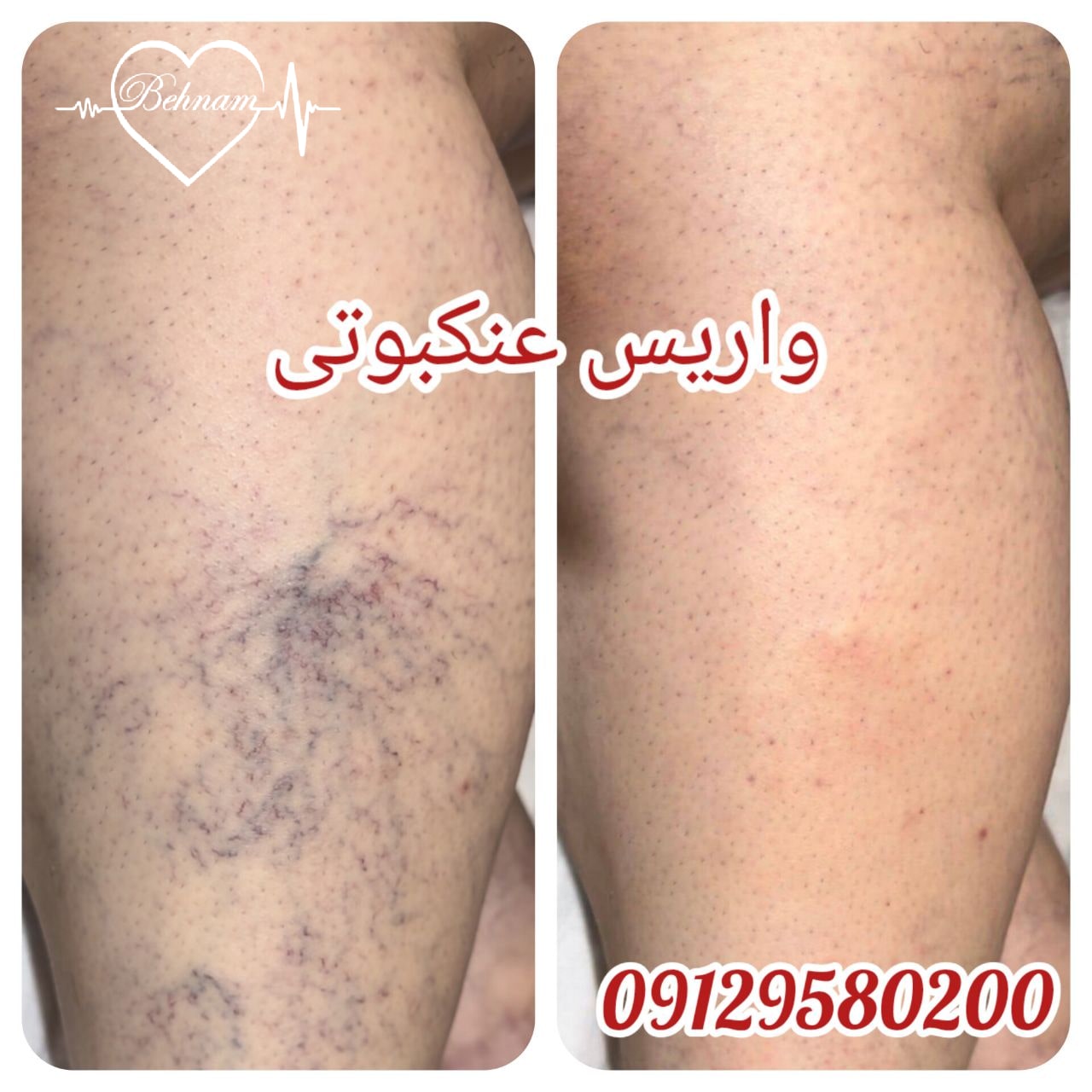
Spider veins refer to delicate varicose veins that resemble intertwined and connected spider webs which is precisely how they got their name.
- Causes of Spider Veins
- Symptoms of Spider Veins
- Diagnosis of Spider Veins
- Spider Veins on Legs
- Spider Veins on the Face
- Complications of Spider Veins
- Treatment of Spider Veins
Spider veins refer to delicate, web-like varicose veins named for their appearance. These fine small blood vessels are close to the skin's surface and typically appear as web-like lines or visible purple, red or blue veins beneath the skin. Spider veins are highly prevalent, affecting approximately 40% of men and 70% of women by the age of 60. They commonly occur on the legs, body and even the face.
Causes of Spider Veins
Numerous factors can contribute to the development of spider veins with no single precise cause. The most significant factors include:
Genetics: Some studies confirm the role of genetics and heredity.
Gender: Women are more susceptible due to pregnancy or hormonal changes.
Obesity: Excess weight increases pressure on leg veins.
Pregnancy: Hormonal changes, weight gain and increased blood volume elevate pressure on leg veins.
Hormones: Hormonal fluctuations especially in women during pregnancy, menstruation or menopause.
Age: Weakening of vein walls and valves in older individuals.
Prolonged Standing or Sitting: Increases blood pressure and flow in leg veins.
Symptoms of Spider Veins
Fortunately this type of varicose vein is usually not painful and is often not serious, primarily posing a cosmetic concern. However it can sometimes be accompanied by:
Burning and itching
Minor, mild pain
Slight swelling in the ankle and calf
Feeling of fatigue and heaviness in the legs (often worse at night)
Note: If you experience severe symptoms like intense pain, ulcers, bleeding or significant swelling, consult a doctor immediately.
Diagnosis of Spider Veins
Accurate diagnosis of varicose veins is achieved through physical examination by a specialist. In addition to medical history, the doctor may perform:
Doppler Ultrasound: Imaging to assess venous blood flow.
Venography: X-ray imaging of veins.
Spider Veins on Legs
One of the most common locations where spider veins occur and are seen is the legs. This is because the legs consistently bear the body's greatest pressure, and the leg veins must transport blood toward the heart against the force of gravity.
Spider veins are most frequently observed in the following areas of the legs:
Calf
Ankle
Back of the knee
Thighs
Of course in addition to the legs, this type of varicose vein can also occur in the abdominal, lower back and chest areas.
Spider Veins on the Face
Facial spider veins commonly appear on the nose, cheeks or temples usually causing no pain but cosmetic concerns. Contributing factors include prolonged sun exposure, severe weather changes, acne, surgery/laser procedures, skin diseases and alcohol consumption.
Complications of Spider Veins
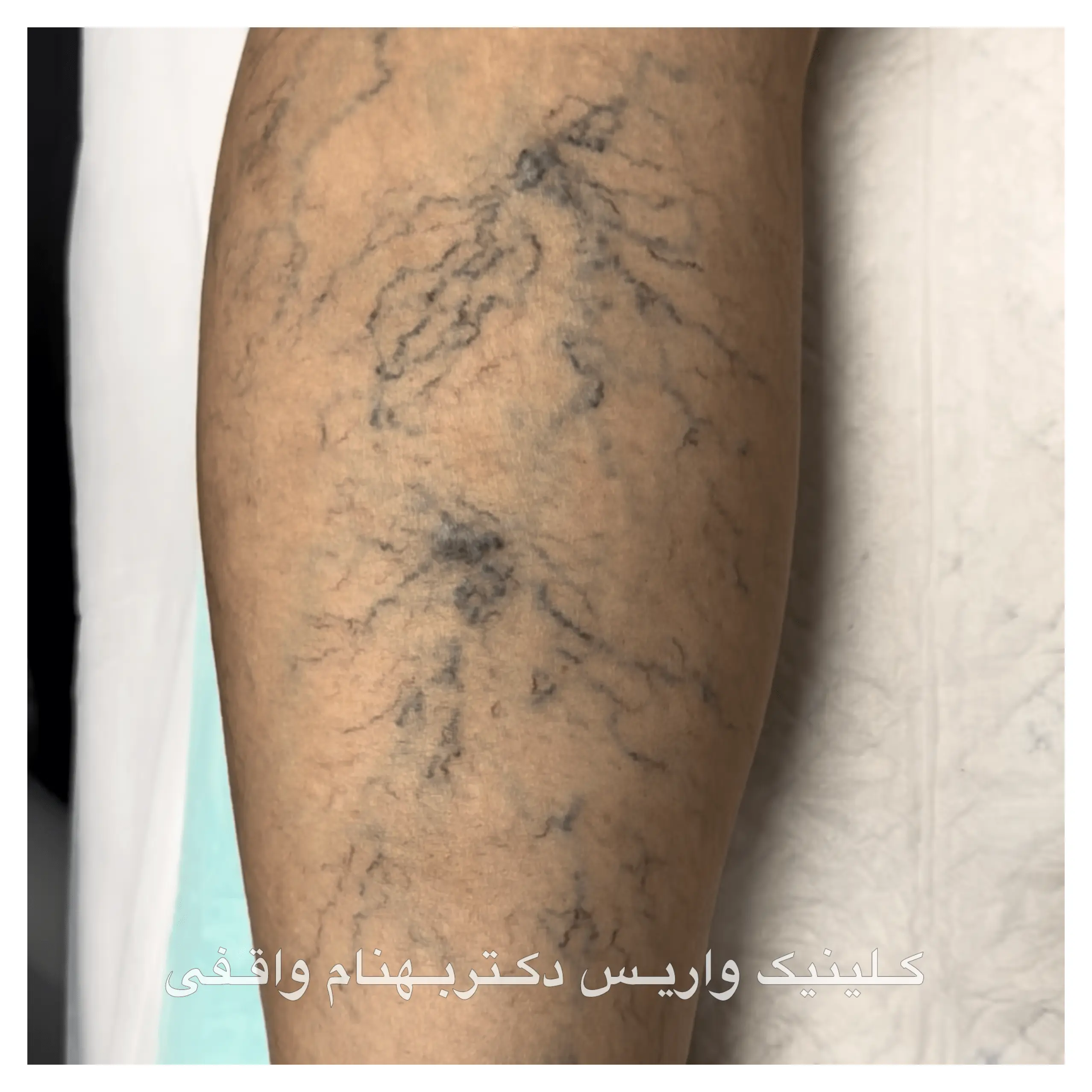
As mentioned, this type of varicose vein is primarily considered a cosmetic and aesthetic issue. However it may sometimes be a sign or symptom of a more serious underlying problem or deep and hidden varicose veins. Additionally spider veins have the potential to enlarge and spread.
As noted in the symptoms section if you observe signs such as ulcers, severe pain, inflammation and redness, heaviness in the legs or skin discoloration in the varicose area, you must take these signs seriously and consult a specialist.
Treatment of Spider Veins
Various treatment methods exist with the best choice depending on the doctor's diagnosis based on severity and location.
Sclerotherapy: The most common and effective treatment involving an injection to close off the veins.
Laser Therapy: Uses laser light to eliminate small, fine veins with minimal pain and side effects.
Studies have shown that laser not only improves spider veins but also plays an effective role in preventing the dilation of capillaries. This method is performed in specific cases of this type of varicose vein and based on a doctor's diagnosis. Therefore avoid undergoing it by non-specialists as it may lead to complications such as burns and staining.
Note that sometimes based on the doctor's diagnosis both sclerotherapy and superficial laser methods are used to treat spider veins. In the clip provided at the end of this article, you can see the combination of these two treatments and their remarkable effect.
Lifestyle Changes: Regular exercise, weight loss, avoiding prolonged sitting/standing, proper footwear and compression stockings can help manage symptoms.
If you want to learn about leg varicose veins, click here.
Conclusion
Spider veins are a type of varicose vein primarily causing cosmetic concerns. Appearing as purple or red spider webs on the skin's surface, they are commonly found on the legs but can also form on the face. Treatment typically involves sclerotherapy, laser therapy or a combination of both.
FAQ
1. Are spider veins dangerous?
Usually not but seek medical advice if accompanied by severe pain, inflammation, ulcers, bleeding, leg heaviness or skin discoloration.
2. What causes red/purple veins on thighs?
This could indicate spider veins; a doctor's examination is needed for accurate diagnosis.
3. Do spider veins go away on their own?
They are usually permanent (except in some cases like pregnancy). Genetics, obesity, prolonged sitting/standing and sun exposure can cause or worsen them. Treatments like sclerotherapy or laser can remove them.
4. At what age are spider veins common?
They typically appear in the 30s or 40s but can sometimes develop in the 20s.
5. Are spider veins hereditary?
Yes, genetics is a contributing factor.
6. Is heat good for spider veins?
No, heat dilates blood vessels and can increase discomfort. Cold compresses are a better choice.
7. Can stress cause spider veins?
Stress may increase blood flow and pressure in small vessels, potentially leading to spider veins.
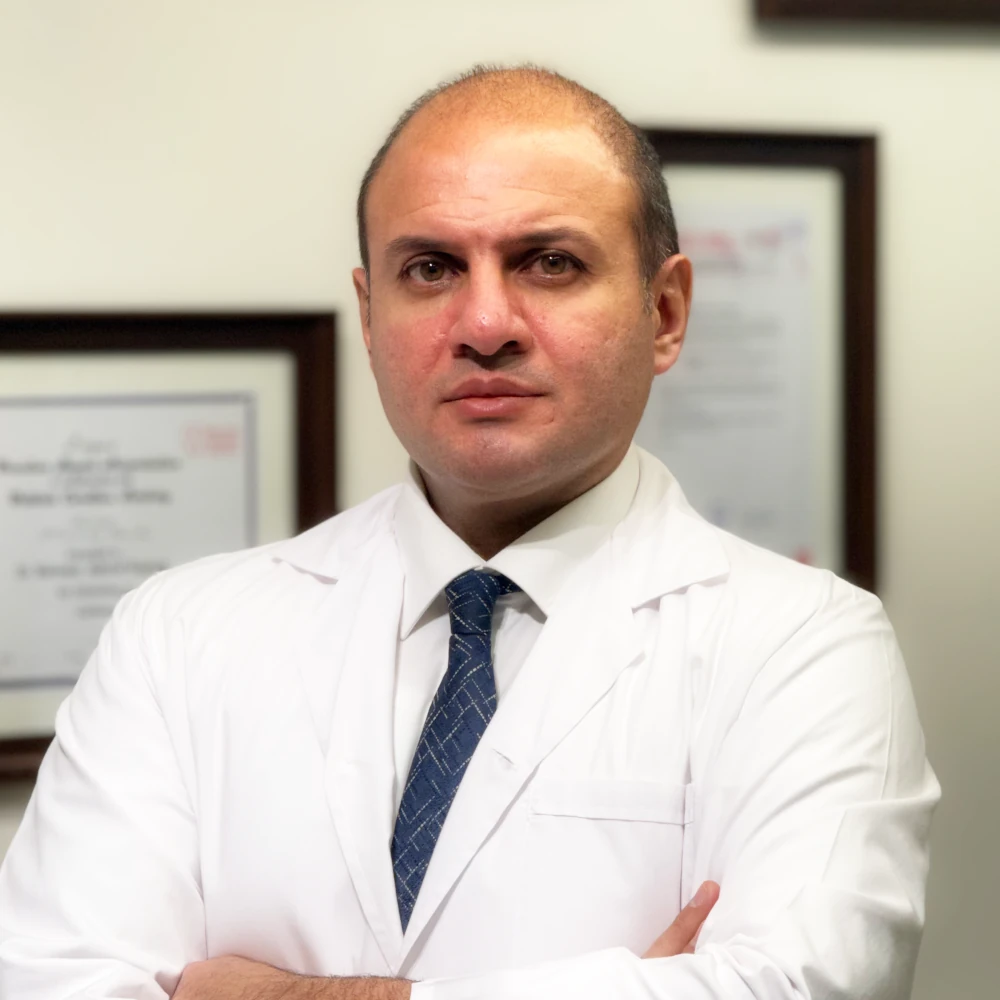
Dr. Behnam Vaghefi holds a fellowship in cardiology and vascular diseases, is a specialist in varicose vein treatment, and is a member of the American and European Heart Associations. This article has been written with the review and approval of Dr. Vaghefi, who is the author of several articles and books on cardiology and vascular diseases, and who has years of experience treating patients in his specialized clinic.
Medical Consultation