What is the pain of varicose veins in the leg like and what are its symptoms?
Leg varicose pain depends on factors such as the type and severity of the varicose veins and can vary in each individual which certainly depends on various factors.




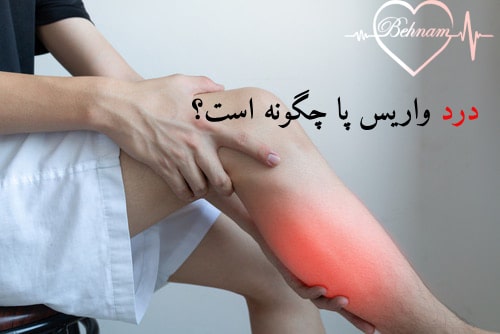
Leg varicose pain depends on factors such as the type and severity of the varicose veins and can vary in each individual which certainly depends on various factors.
- Leg Varicose Veins Pain
- Symptoms of Leg Varicose Veins Pain
- Cause of Leg Varicose Veins Pain
- Types of Leg Varicose Veins Pain
- Location of Varicose Veins Pain in Different Parts of the Leg
- When Is Leg Varicose Veins Pain Dangerous?
One of the common problems that especially occurs in the legs is varicose veins. This disease in addition to creating problems in the beauty and appearance of the legs and giving them an unpleasant look can also be annoying due to the discomfort and pain it causes.
Varicose veins generally occur due to insufficiency and defects that develop in the vein walls and their valves. When blood flow and pumping from the legs to the heart are not performed properly and completely, swelling, inflammation, vein twisting, blood accumulation and clotting occur and the person develops leg varicose veins.
Leg Varicose Veins Pain
The pain of leg varicose veins depends on factors such as the type and severity of varicose veins and can be different in each person. For example some patients experience mild and slight pain while another patient may have severe and unbearable pain to the point of seeking painkillers for varicose veins pain.
In addition the location of pain may be different in each person which certainly depends on the location of the varicose veins formation.
According to some research on varicose veins pain this disease is not necessarily accompanied by pain because some varicose veins such as spider varicose veins are usually painless and without serious discomfort and only create problems for patients in terms of beauty or in hidden and deep leg varicose veins because deeper veins than the skin surface become varicose you may not see visible signs such as twisted and inflamed veins.
Leg pain is not a typical symptom of varicose veins and may be due to other medical conditions.
Symptoms of Leg Varicose Veins Pain
Leg varicose veins pain is often accompanied by the following symptoms and signs but there are advanced and accurate methods for diagnosing varicose veins that are better and more reliable for definitive diagnosis:
Heaviness and fatigue in the legs
Feeling tired and heavy in the legs is one of the important signs of varicose veins that especially worsens after prolonged sitting and standing.
Burning sensation
Feeling burning and tingling in the legs is another sign of this disease.
Itching
You may feel itching around varicose veins.
Shooting and dull pain
Severe pain along varicose veins or constant pain in the legs are also other symptoms of vessel insufficiency and inflammation.
Muscle cramps
Muscle cramps especially in the calf can be one of the signs that especially increase at night.
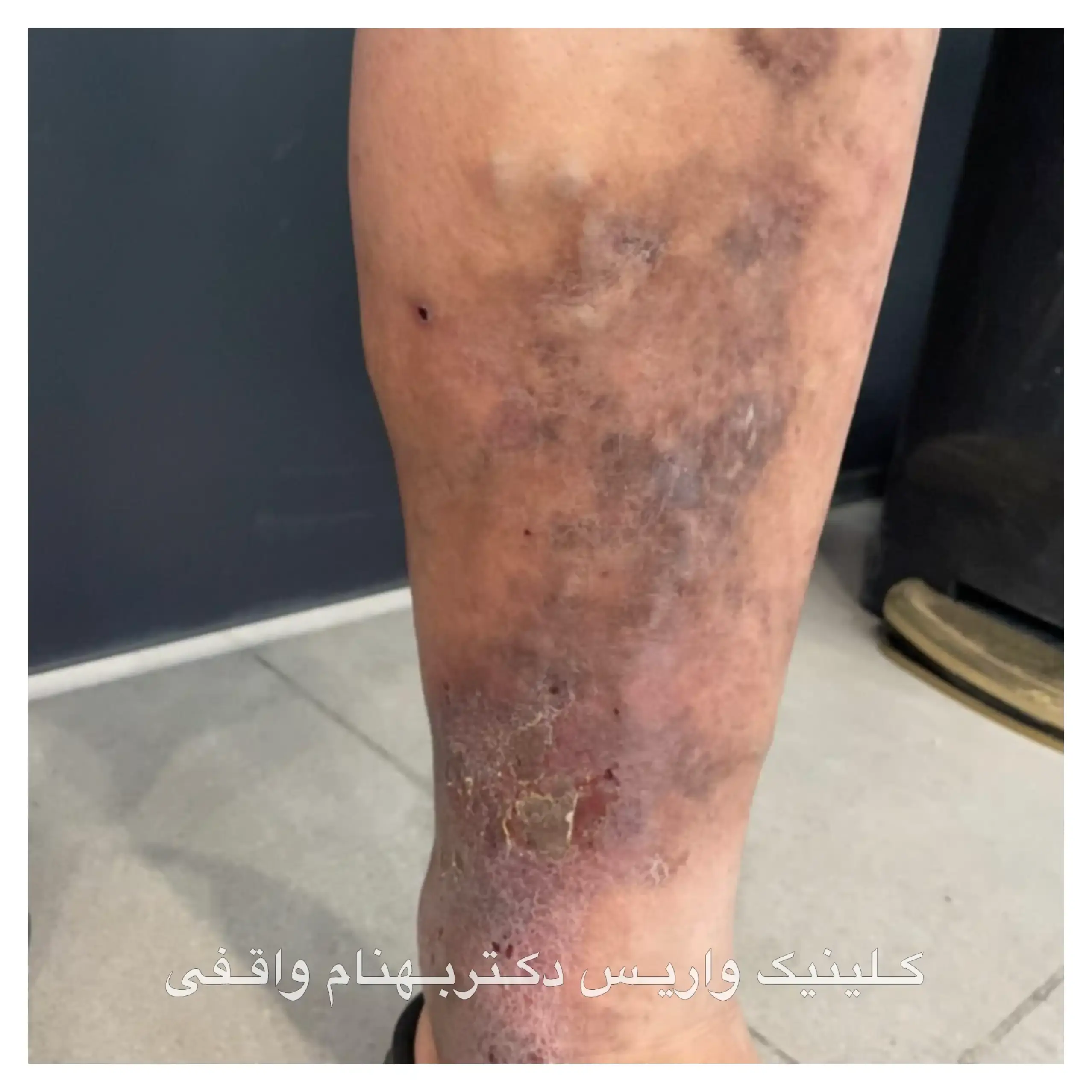
Note that sometimes in severe and chronic varicose veins in addition to pain there are other signs such as skin discoloration and dryness, ulcers and bleeding.
Cause of Leg Varicose Veins Pain
As we said in varicose veins blood flow instead of moving toward the heart accumulates in the veins and this accumulation puts pressure on them and creates pain and swelling. Over time the accumulated blood may clot and cause more problems.
Types of Leg Varicose Veins Pain
Leg varicose veins pain can be different according to these factors:
1- Location of varicose veins
Superficial and deep varicose veins can each create different pains. Deep varicose veins are accompanied by more pain and discomfort especially after physical activities. Deep varicose veins pain is more felt as shooting pain and muscle tightness. But superficial varicose veins are more accompanied by burning, itching or feeling tired and heavy in the legs. Chronic varicose veins accompanied by blood clots also cause swelling, severe pain and redness in the varicose area.
2- Severity and size of varicose veins
Larger varicose veins that involve a greater area of leg veins usually create more pain and symptoms.
3- Aggravating factors
Ulcers, infection, circulation problems, patient lifestyle and underlying diseases can also affect the severity of symptoms and varicose veins pain.
Location of Varicose Veins Pain in Different Parts of the Leg
The location of varicose veins pain can be in different parts of the leg:
Varicose veins pain in the thigh
If the cause of varicose veins is deeper veins pain is felt in the thigh area. This pain will be deep, shooting and accompanied by muscle weakness.
Varicose veins pain in the calf
Blood accumulation or clotting in calf varicose veins causes feeling pain and pressure in the calf area. This pain can be in the form of feeling tired, heavy or muscle cramps.
Varicose veins pain in the ankle
Superficial varicose veins that are generally seen in the ankle area can create swelling, pain, feeling of warmth or skin discoloration.
Varicose veins pain in the heel
Small or spider varicose veins that sometimes appear as blue or red veins in the heel area can cause burning sensation, itching or dull pain.
When Is Leg Varicose Veins Pain Dangerous?
If you have these types of pain it is a danger sign and you should take them seriously:
Sudden and severe pain
If you suddenly feel severe pain accompanied by swelling, redness or warmth in the varicose area due to the possibility of blood clot formation in the vein, you should see a doctor as soon as possible. Blood clot formation may lead to pulmonary embolism.
Varicose veins pain with fever
Fever can be a sign of infection and should be medically examined.
Pain accompanied by ulcer or infection
If an ulcer or infection occurs in the area of varicose veins, treatment should be taken seriously and it can be a sign of a significant problem in blood flow.
Pain that worsens with activity and walking
If pain increases with walking or physical activity it can be caused by significant problems.
Pain that does not improve with rest
If despite rest taking painkillers or medication and elevating the legs the pain does not resolve or returns it is a sign of progression and chronicity of varicose veins.
Severe itching
If you have severe itching in the varicose area, inflammation or infection may have occurred.
Skin discoloration
If the skin around varicose vessels becomes red, purple or dark it is a warning sign of more serious problems.
Leg swelling
Leg swelling especially if accompanied by pain may be a sign of venous insufficiency or blood clot presence. The article What Is Leg Swelling a Sign Of? has provided useful information about this disorder and the factors that cause it.
Conclusion
Varicose veins pain can sometimes be an important sign and clue for correct diagnosis and choosing the appropriate treatment. The best thing to do when facing varicose veins pain is to avoid self-diagnosis and self-treatment, especially if you have the dangerous symptoms and signs we mentioned and suffer from other diseases such as diabetes, blood pressure or cardiovascular diseases definitely see an experienced specialist in the field of varicose veins treatment.
FAQ
1- How can I know if my leg pain is due to varicose veins and not another cause such as arthritis or muscle cramps?
Varicose veins symptoms: pain accompanied by swollen and twisted veins, feeling heavy and tired in the legs, itching or skin discoloration, ulcers or bleeding. Difference with arthritis pain: pain in joints and generally without prominent veins. Difference with muscle cramps: sudden and temporary pain especially at night.
2- Why do I have no pain on some days and severe pain on other days?
Factors such as daily diet for example eating too much salt, hormonal changes and prolonged sitting or standing play a role in this regard.
3- How can I reduce leg varicose veins pain without painkillers?
Cold compress (do not use ice directly), gentle massage with some soothing oils from ankle toward thigh, elevating legs for a quarter to 20 minutes 3 to 4 times a day and using varicose veins stockings as prescribed by a doctor can help you relieve pain.
4- Does walking make leg varicose veins pain worse?
No, on the contrary walking and strolling by moving leg muscles strengthen blood flow and circulation in the legs and try to walk a few minutes every 30 minutes or have at least 20 minutes of regular walking during the day.
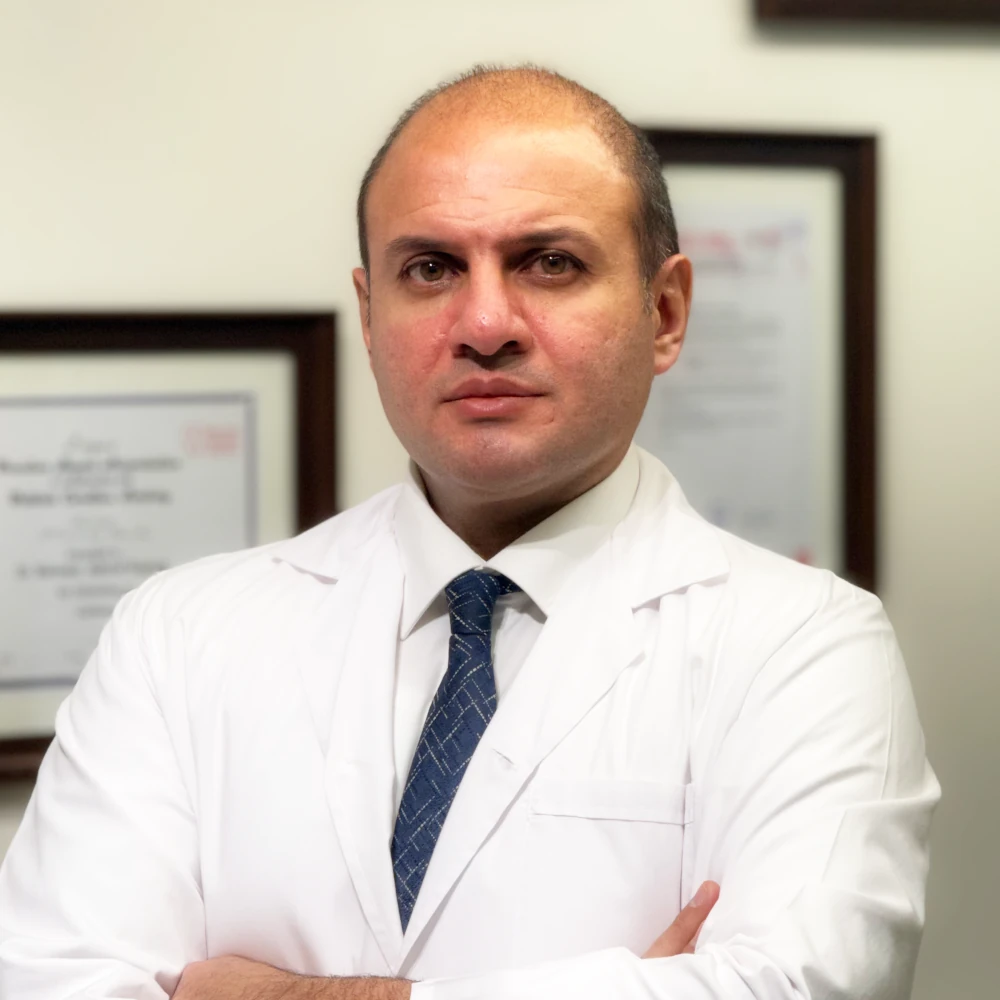
Dr. Behnam Vaghefi holds a fellowship in cardiology and vascular diseases, is a specialist in varicose vein treatment, and is a member of the American and European Heart Associations. This article has been written with the review and approval of Dr. Vaghefi, who is the author of several articles and books on cardiology and vascular diseases, and who has years of experience treating patients in his specialized clinic.
Medical Consultation