
Best Diet and Foods for Varicose Veins Health! Weekly diet and meal plan
Varicose veins are one of the conditions that can benefit from the miraculous effects of food for treatment. Having a weekly meal plan and a good diet will make things easier for you.






Varicose veins are one of the conditions that can benefit from the miraculous effects of food for treatment. Having a weekly meal plan and a good diet will make things easier for you.
- How a Proper Diet And Food Helps Varicose Veins
- Best Foods for Varicose Veins
- Weekly Diet Plan for Varicose Veins
- Worst Diet for Varicose Veins
Hippocrates the father of medicine believed food could be the best medicine. Ancient Egyptians, Chinese, Greeks and Indians viewed food as a powerful tool for maintaining health and treating diseases. This belief stems from humanity’s early recognition of food’s therapeutic properties used for centuries to prevent and treat ailments.
Food plays a vital role in our health and choosing healthy, diverse foods can prevent diseases and enhance life quality. Varicose veins are among the conditions where diet’s benefits can be harnessed. While not a definitive substitute for medical treatments a proper diet is a safe effective way to manage symptoms and support vein health.
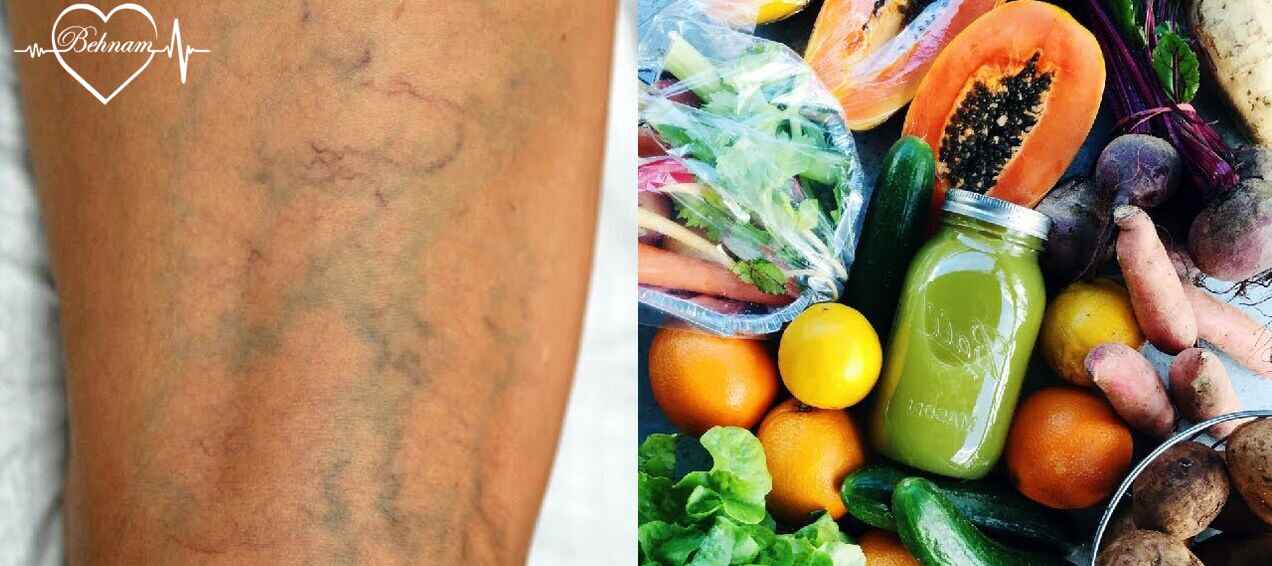
Varicose Veins in the Legs
Varicose veins most commonly in the legs result from defects in vein walls or valves controlling blood flow. When blood cannot be fully pumped from the limbs to the heart it pools in the veins, causing inflammation, swelling and varicosity. The cause of varicose veins in young or elderly people can be genetics, congenital abnormalities, obesity, prolonged standing or sitting, history of blood clots, trauma, pregnancy and unhealthy lifestyles like inactivity or poor diet. A healthy diet not only promotes overall wellness but also supports vascular health.
How a Proper Diet And Food Helps Varicose Veins
Healthy foods aid varicose veins in several ways:
Reducing Inflammation and Swelling: Anti-inflammatory foods reduce swelling caused by varicose veins.
Improving Blood Flow: Nutrients in certain foods enhance blood circulation.
Strengthening Vein Walls: Foods supporting vein strength prevent worsening symptoms.
Weight Control: Obesity is a major risk factor for varicose veins. A balanced diet reduces vein pressure by controlling weight.
Best Foods for Varicose Veins
Incorporate these foods to support vein health:
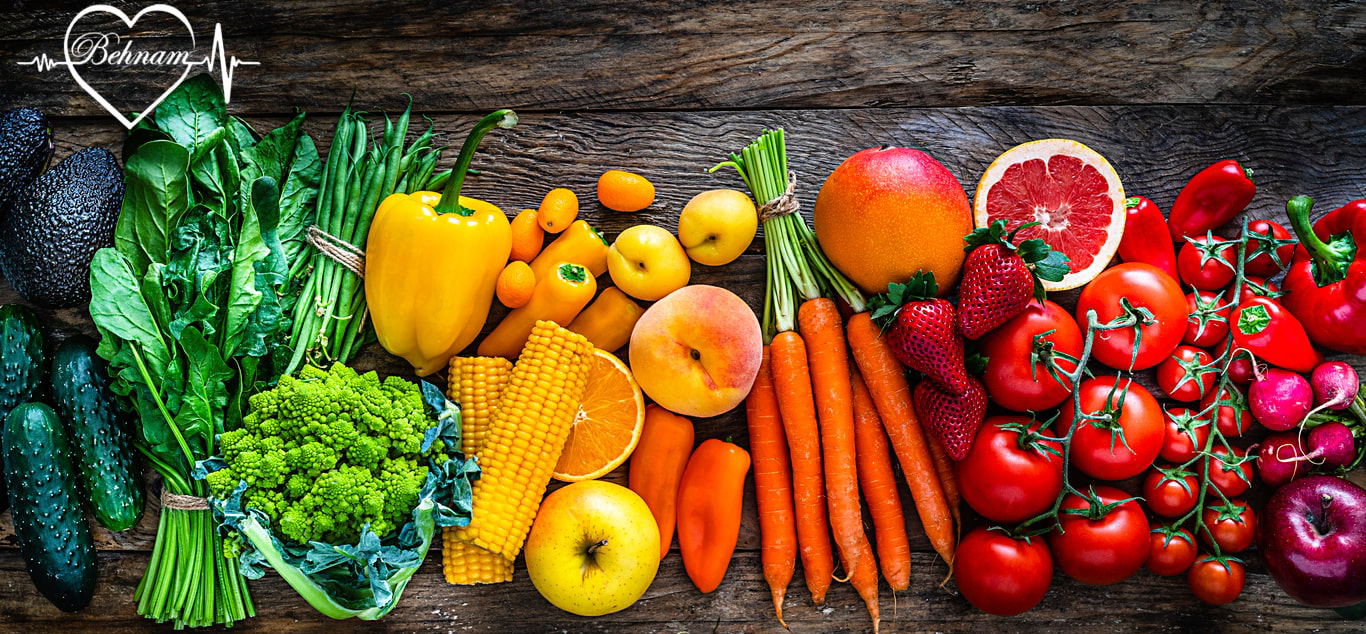
Fruits and Vegetables
Deficiencies in certain vitamins contribute to varicose veins. Foods rich in fiber, vitamins C, E, K, B-group vitamins, antioxidants and flavonoids reduce inflammation, improve blood flow and protect vein walls. Recommended options include:
Citrus fruits (oranges, tangerines, lemons)
Red, blue, purple fruits like berries (strawberries, blueberries), red grapes, cherries
Tomatoes
Kiwi
Bell peppers or green peppers
Leafy greens like spinach
Broccoli, carrots
Apples
Onions, leeks
Avocados
Green tea
Ginger
Note: Vitamin K aids blood clotting. If blood clots are present in varicose veins excessive vitamin K may thicken blood, hindering circulation. Be cautious with vitamin K-rich foods if clots are suspected.
Whole Grains
Fiber and magnesium in unrefined grains like brown rice, bulgur wheat, oats and whole-grain flour aid digestion reduce constipation (a varicose vein aggravator see Constipation: A Serious Threat to Varicose Veins) and lessen vein pressure.
Fatty Fish
Rich in omega-3 fatty acids, fish like salmon, trout and sardines reduce venous inflammation and improve blood flow.
Nuts and Seeds
Magnesium-rich nuts like walnuts, pistachios, almonds, watermelon seeds and hazelnuts relax muscles and alleviate varicose vein symptoms.
Legumes
Anti-inflammatory compounds in legumes reduce pain and swelling, strengthen vein walls and prevent clots.
Low-Fat Dairy
Low-fat dairy and probiotic yogurt high in calcium support blood vessel contraction and muscle health.
Dark Chocolate (70-80%)
Contains fiber, antioxidants and flavonoids, reducing vein pressure. Consume moderately due to high calories and sugar.
Copper-Rich Foods
Copper supports red blood cell production, blood flow and vein repair. Include dried figs, dried apricots, chili powder, cumin and sesame seeds.
A study in a reputable medical journal highlights grapes, blackberries, avocados, ginger and rosemary for varicose vein prevention.
Adequate Water
Staying hydrated improves blood flow in veins.
Weekly Diet Plan for Varicose Veins
Below is a sample weekly diet plan for varicose vein patients:
Day | Breakfast | Snack | Lunch | Snack | Dinner |
|---|---|---|---|---|---|
Saturday | Oatmeal with fruits, nuts, low-fat milk | Kiwi | Vegetable salad with olive oil, grilled salmon/trout | Handful of almonds/walnuts | Leafy green salad (lettuce, spinach) with beans, olive oil |
Sunday | Vegetable omelet, whole-grain bread, orange juice | Apple, banana | Lettuce salad with grilled chicken, lemon dressing | Low-fat yogurt with nuts | Steamed vegetables (zucchini, broccoli), brown rice |
Monday | Oatmeal with fruits, nuts, low-fat milk | Dried apricots, raisins | Lentil-vegetable soup (carrots, celery, broccoli), stone-baked bread | Mixed nuts | Whole-grain pasta with homemade tomato sauce, vegetables |
Tuesday | Fruit-vegetable smoothie (banana, spinach, almond milk) | Nuts | Trout with brown rice, steamed vegetables | Fruit or watermelon juice | Vegetable soup (zucchini, celery, tomato), whole-grain bread |
Wednesday | Boiled egg, whole-grain toast, green tea | Fruit | Bean rice with Shirazi salad | Handful of raisins/dates | Quinoa with steamed vegetables, lemon dressing |
Thursday | Cottage cheese with fruits, nuts | Apple or pineapple | Chicken salad with olive oil dressing | Handful of almonds | Sweet potato puree with vegetable salad |
Friday | Vegetable omelet, whole-grain bread, orange juice | Pomegranate | Lentil rice with vegetables | Low-fat yogurt with nuts | Quinoa or brown rice salad with tomatoes, cucumber, chia seeds |
Adjust the plan based on season, taste and availability using various fruits, vegetables, legumes, nuts and beneficial foods listed. Don’t forget adequate water and varicose vein-friendly exercise.
Worst Diet for Varicose Veins
To maximize benefits avoid harmful foods:
Processed Foods
Factory-made, canned, frozen or ready meals high in sodium, sugar and fat cause water retention and increased blood pressure, worsening varicose veins.
Red Meat
Excessive consumption increases inflammation and swelling.
Alcohol
Dilates blood vessels, exacerbating varicose veins.
Carbonated Drinks
Sugar and caffeine harm varicose veins.
Salty Foods
Sodium causes water retention worsening varicose veins.
Caffeine
Constricts blood vessels, raising blood pressure and intensifying symptoms.
Fats and Cholesterol
Fat and cholesterol buildup in vessel walls can cause blockages, posing risks for varicose vein patients. Avoid fried foods, fast foods, high-fat dairy and meats.
Conclusion
A healthy balanced diet can significantly aid in preventing and managing varicose veins. However moderation is key as some foods may have both beneficial and harmful components. For example green tea’s antioxidants benefit varicose veins, but its caffeine content requires moderation. Combine diet with regular exercise, adequate water and avoiding harmful foods. While diet supports vein health, medical treatment is often necessary for varicose veins as diet alone cannot fully resolve the condition.
FAQs
What is the best food for varicose veins?
Leafy greens and colorful fruits (red, purple, orange, yellow) are the best for varicose veins.
Which drinks are good for varicose veins?
Pomegranate juice, beet juice, green tea and lemon-honey water are beneficial but avoid overconsuming green tea. Water is the best drink.
What are the best fruits for treating varicose veins?
Apples, cherries, cranberries, raspberries, black olives and blueberries are top choices.
Is coffee good for varicose veins?
Coffee’s caffeine content constricts vessels and worsens symptoms so it’s not recommended.
Is cucumber harmful for varicose veins?
Cucumber with vitamin C and anti-inflammatory properties is beneficial not harmful. Moderation is key for all foods.
Can diet alone resolve varicose veins?
Since varicose veins involve damaged veins, diet alone cannot fully treat them without medical intervention.
How much of beneficial foods should be consumed?
In moderation! As Avicenna said, “A little is medicine a moderate amount is food and too much is poison.”
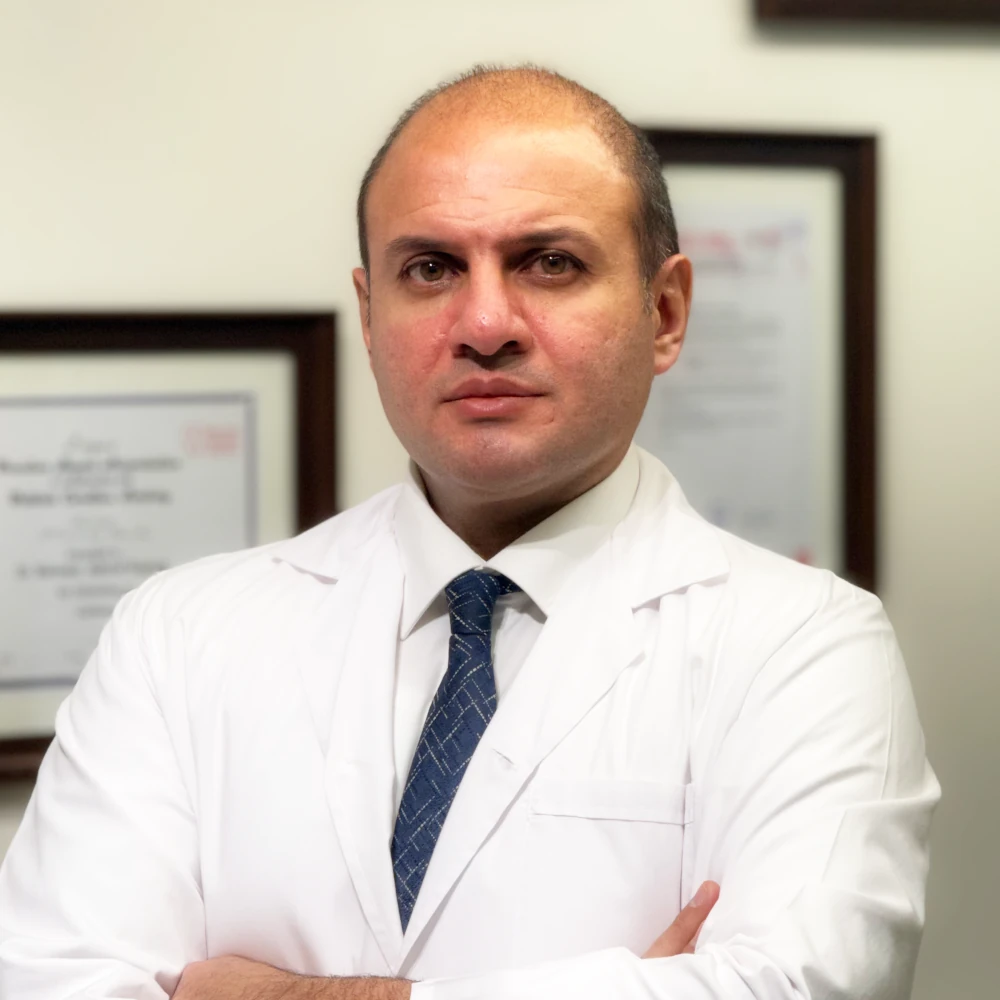
Dr. Behnam Vaghefi holds a fellowship in cardiology and vascular diseases, is a specialist in varicose vein treatment, and is a member of the American and European Heart Associations. This article has been written with the review and approval of Dr. Vaghefi, who is the author of several articles and books on cardiology and vascular diseases, and who has years of experience treating patients in his specialized clinic.
Medical Consultation
عندي دوالي ساقين مرتجعة
شكراً لتعليقك. أودّ أن أطمئنك أن عودة الدوالي ليست أمراً حتمياً، بل تعتمد بشكل كبير على جودة العلاج الأولي والالتزام بالإرشادات ما بعد العلاج. إذا تمّ إجراء العلاج بشكل صحيح وتخصصي (خاصة باستخدام تقنيات مثل الليزر الوريدي أو الترددات الراديوية أو التصليب)، وكان المريض ملتزماً بالنصائح التالية: تجنب الوقوف أو الجلوس لفترات طويلة دون حركة، ممارسة المشي والسباحة بانتظام، اتباع نظام غذائي صحي ومتوازن، الحفاظ على وزن مثالي، ارتداء الملابس الفضفاضة والجوارب الضاغطة حسب توجيه الطبيب، فإن فرصة عودة الدوالي تنخفض بشكل كبير جداً. بالطبع، العوامل الوراثية أو التغيرات الهرمونية قد تؤثر، لكن مع المتابعة الدورية والالتزام بنمط حياة صحي، يمكن السيطرة على الوضع والتمتع بسلامة دائمة في أوردة الساقين. إذا كنت بحاجة إلى استشارة إضافية، فريقنا الطبي في خدمتك. إذا احتجت إلى مزيد من الإرشاد، يمكنك الاتصال بنا. فريقنا جاهز للإجابة على استفساراتك. مع خالص التمنيات بالشفاء والعافية.