The best exercise for treating and preventing varicose veins + exercise video
Exercise is one of the methods that can help improve blood circulation and strengthen leg muscles. The question may arise: Which exercises are suitable for varicose veins?



Exercise is one of the methods that can help improve blood circulation and strengthen leg muscles. The question may arise: Which exercises are suitable for varicose veins?
- Is exercise beneficial for varicose veins?
- Best recommended exercises for varicose veins
- Does Exercise Cause Varicose Veins?
We all know well the impact of exercise on health and wellness and it can be said that people's interest in this topic today exceeds any previous time. Many studies have proven the positive effect of exercise on body health and even in reducing or eliminating some diseases.
The International Journal of Medical and Sports Sciences shows that regular exercises are effective in improving blood flow and reducing pain intensity in patients with varicose veins.
It is a disease resulting from insufficiency in the venous valves (the valves shaped like pigeon nests) located in the leg veins which usually contract to prevent the return of blood heading towards the heart. In other words, the defect in blood flow through the veins towards the heart is what causes varicose veins. (You can learn more about the disease, its causes and symptoms in detail through our article: What are varicose veins?)
Is exercise beneficial for varicose veins?
Exercise is one of the methods that can improve blood circulation and strengthen leg muscles as well as prevent varicose veins and alleviate their symptoms. Therefore, whether you have this disease or not, regular physical activity will contribute significantly to the health of your cardiovascular system.
The direct answer is: Yes, exercise is beneficial for varicose veins, but on the condition of practicing the appropriate types.
The positive effects of regular physical activity include:
Benefits of exercise for varicose veins:
Improving and strengthening blood circulation: Physical activity increases blood flow which helps in alleviating pain and swelling in the legs.
Strengthening leg muscles: The stronger your leg muscles are the less blood pools in the veins, and pumping blood from the lower legs towards the heart becomes more effective.
Reducing pressure on the veins: Significant pressure on the veins exacerbates varicose veins. Some light exercises like swimming or walking reduce this pressure and prevent the development of symptoms.
Weight control: Obesity and overweight are risk factors for developing varicose veins. Therefore, exercise helps you maintain an ideal weight and prevent the disease, in addition to its direct positive effect on blood vessels.
Best recommended exercises for varicose veins
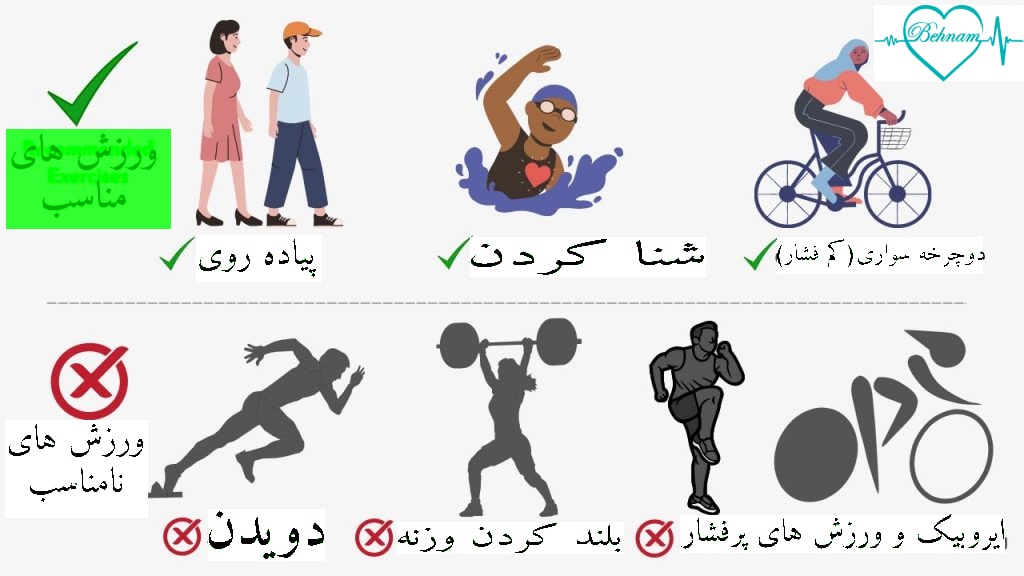
Swimming
Enhances blood flow and reduces vein swelling. Note: Avoid saunas, Jacuzzis and hot baths as cold and cool water are better for varicose veins to reduce swelling and inflammation. Backstroke, breaststroke and kicking movements are particularly beneficial.
Walking
One of the best and simplest activities for varicose veins. It strengthens calf muscles and improves blood circulation. It is recommended to walk daily for at least 30 minutes, 4-5 days a week. Walking on a gentle slope for 10-15 minutes is also beneficial.
Cycling
Strengthens leg muscles and reduces pressure on the veins. Whether an outdoor bicycle or a stationary one (at the gym). Those who do not have a bicycle can lie down, lift their legs and imitate the pedaling movement in the air until they feel improved blood flow. Warning: Avoid strenuous or competitive cycling as it is among the exercises harmful to varicose veins.
Yoga
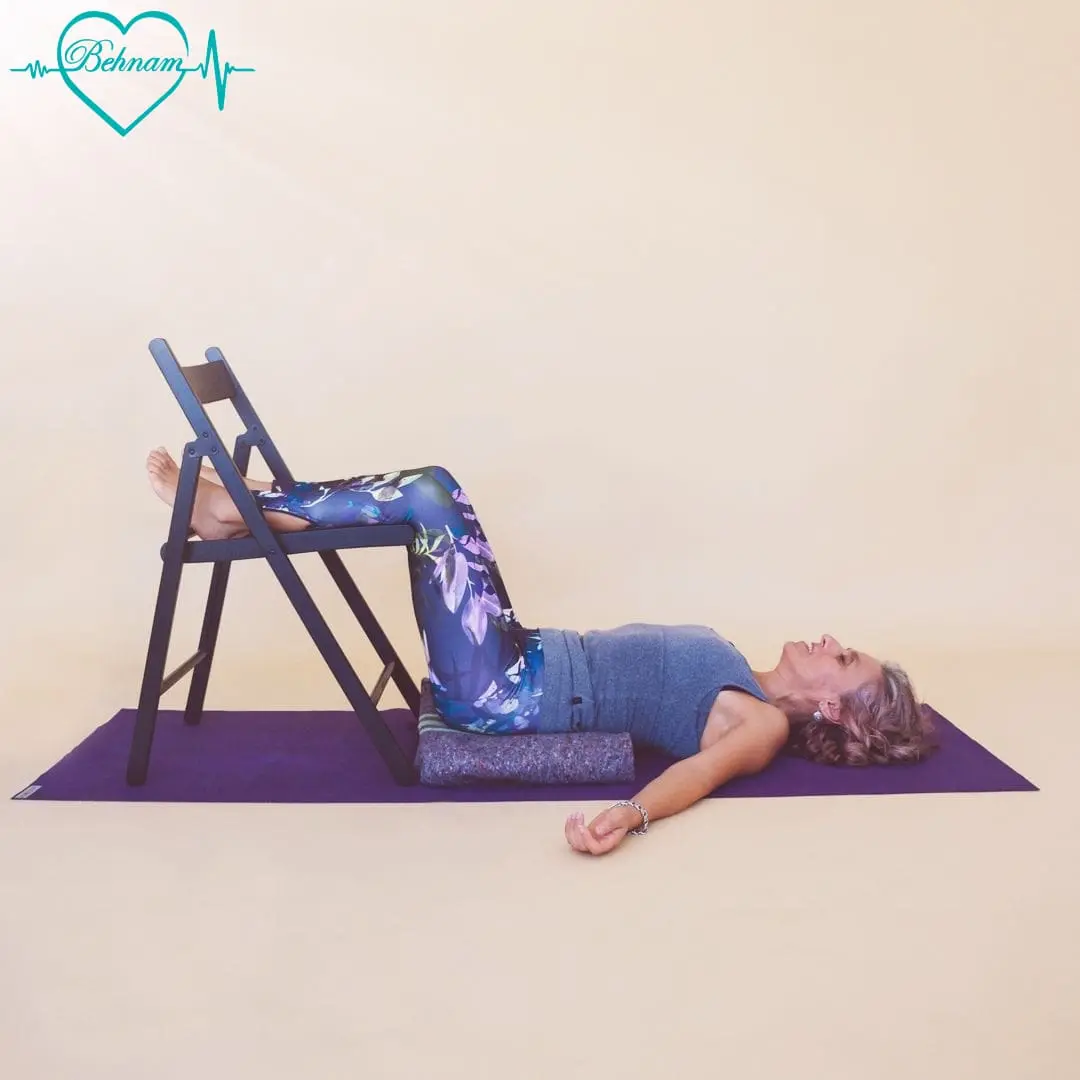
Improves symptoms through low-impact exercises focusing on strengthening calf muscles. The Viparita Karani exercise (legs-up-the-wall pose) is very effective.
Leg raise exercises
Help gravity in returning blood towards the heart and alleviating congestion. Lie down and raise your legs above heart level (at a 30-45 degree angle) for 3-5 minutes several times a day.
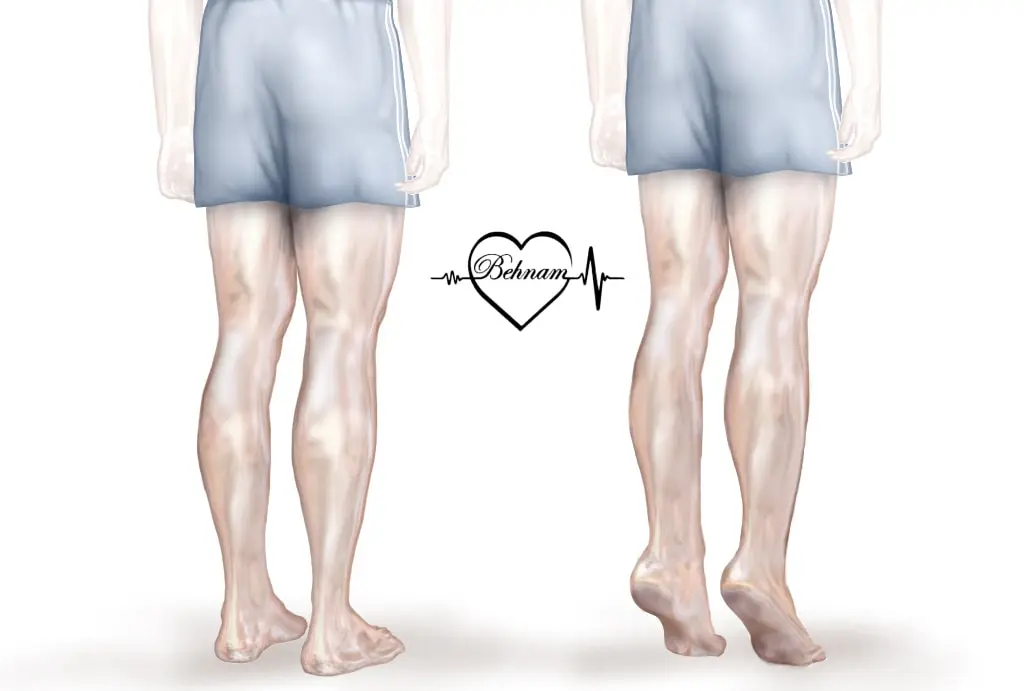
Heel raise exercises
Activates the calf muscle pump to push blood. Stand and lift your heels off the ground, standing on your toes for seconds then lower them. Repeat the exercise in 3 sets (10-15 repetitions per set).
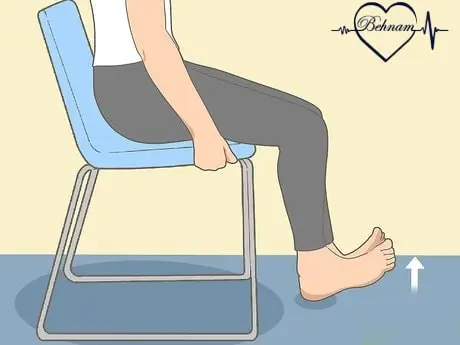
Ankle flexion and extension exercises
Improve blood circulation in the leg area by moving the ankle muscles. Sit and slowly move your ankle to pull your toes towards the ceiling then towards your shin. Repeat the movement several times.
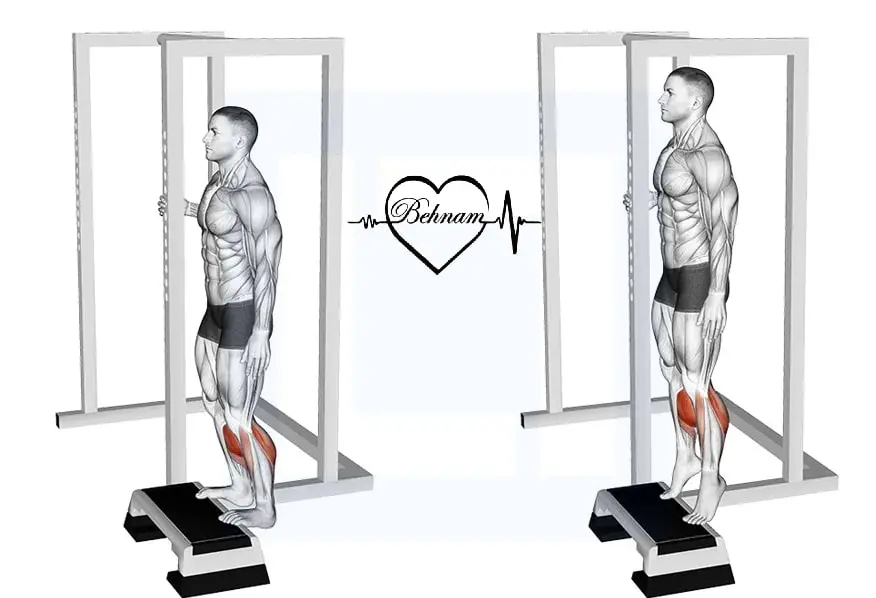
Calf muscle contraction exercises
A very strong exercise for the calf muscle pump. Place the front of your feet on the edge of a step then lower your heels below the step level and raise them again.
Try to do this exercise three times a day, 15 repetitions each time.
Light Aerobic Exercises
Light exercises and activities that increase the heart rate without jumping or impact on the legs can also be beneficial exercises for varicose veins.
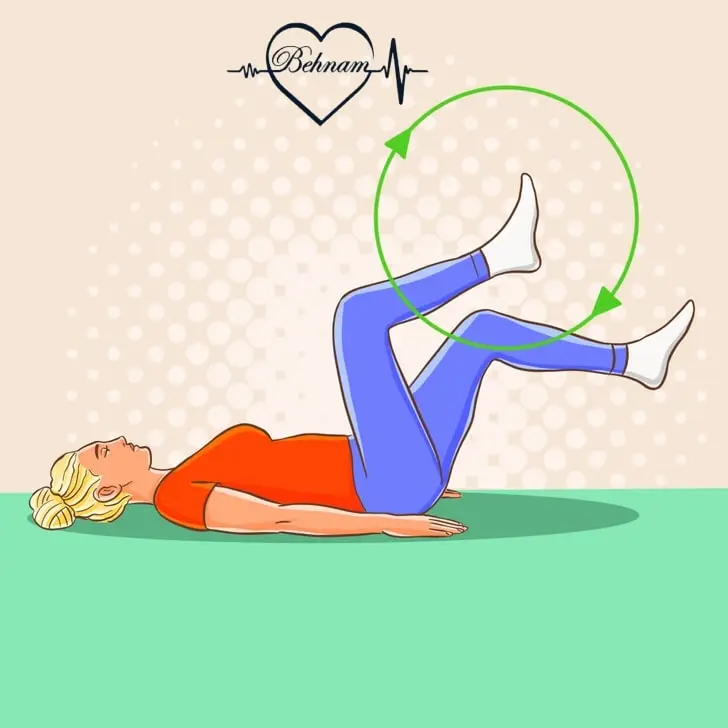
Bicycle Kicks
Lie down and move your legs in a bicycle pedaling motion for 10 to 20 repetitions.
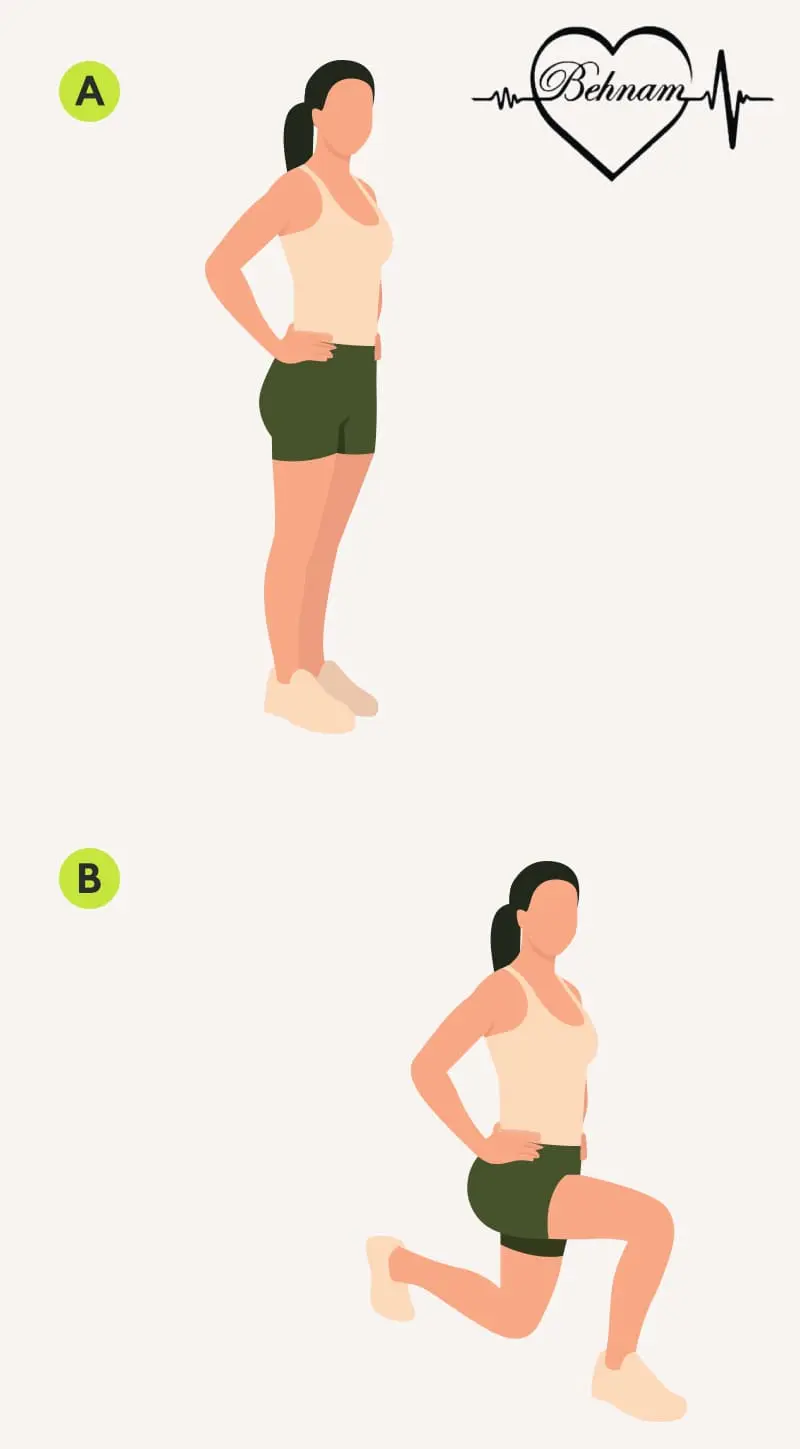
Lunges
This exercise helps strengthen the calf and gluteal muscles. Consequently blood circulation improves and pressure on the veins decreases.
First, stand with your feet shoulder-width apart. Keep your back straight and your abdomen tight then take a step forward. While bending your front knee to a 90-degree angle, lower the knee of your back leg toward the ground. Then push through the heel of your front foot to return to the starting position.
Specific Exercises for Varicose Veins
There are specific exercises and movements that can greatly help improve or prevent varicose vein symptoms. We have taught these exercises in a video at the end of this article.
Important Points to Consider When Exercising:
Do not push yourself too hard and listen to your body! If you feel discomfort or pain while doing any of these exercises, stop immediately.
Be consistent and persistent with the activities. The effects of these exercises will show over time.
Talk to and consult with your doctor about the exercises.
Note: If you have knee or joint problems in your leg, perform the exercises with caution and under your doctor's approval.
Does Exercise Cause Varicose Veins?
This is a very important question asked by many people. The answer is that some exercises are harmful for varicose veins and are not recommended. This is because these exercises put more pressure on the veins, leading to pain, swelling and worsening of varicose veins.
Inappropriate Exercises for Varicose Veins Include:
Running
Running, especially if done long-term, at high intensity, and particularly on hard surfaces, puts a lot of pressure on the legs and can intensify symptoms.
Sports with Jumping and Bounding
Sports like volleyball, basketball, soccer or martial arts that involve a lot of jumping and bounding are not recommended at all for people with this condition.
Weightlifting
Strength training exercises like squats and lunges with heavy weights, as well as lifting heavy weights while standing, put a lot of pressure on the legs and veins due to increased intra-abdominal and venous pressure. So, if you have varicose veins, be very cautious and if you do strength training in this manner also take exercises to reduce pressure on the legs seriously for prevention.
Aerobics
Aerobic exercises generally involve fast and intense movements which can increase pressure on the leg veins. Therefore, it can be concluded that aerobics is not suitable and is not recommended for varicose veins.
Jumping Rope
Jumping rope is not considered a suitable exercise for those with varicose veins due to the constant pressure it puts on the legs.
Crunches and Sit-ups
These activities can hinder blood flow in the legs and aggravate varicose veins due to increased abdominal pressure.
Squats
Squats put a lot of pressure on the leg veins and if the veins are varicose, can cause blood pooling and increase pain and discomfort.
Plank
In the plank exercise because the calf muscles are not moving and a lot of pressure is placed on the legs and abdomen, it may lead to blood pooling in the leg veins and increased pressure and inflammation in the varicose veins.
Sports and Activities Involving Long Periods of Standing or Sitting
Prolonged standing or sitting increases pressure and blood pooling in the leg veins which will increase the severity and progression of varicose veins. Long-standing sports like tennis or basketball can also increase the risk of developing this condition. It is better to sit down every half hour if you are standing and if you are sitting, get up and walk around a bit.
Conclusion
In summary, based on the points mentioned, exercises that put little pressure on the legs and also help reduce pressure, fatigue and blood pooling in the veins are very beneficial for varicose veins and can play an effective role in prevention and improvement.
Additionally, regular exercise and activity can help relax and increase the flexibility of muscles and reduce pain intensity in patients with varicose veins. Conversely, activities that put a lot of pressure and shock on the legs are not recommended at all for this condition because they cause more swelling and pressure on the veins. Therefore, if you have varicose veins, avoid lifting heavy objects, prolonged standing or sitting and activities that put a lot of pressure on the calves.
If you want to have a suitable diet and weekly plan alongside exercise for treating varicose veins, we suggest you read "The Best Diet for Treating Varicose Veins." Certainly, exercise alongside a healthy diet will be more effective in maintaining your health and well-being.
FAQ
1. Why do the veins of people who do bodybuilding become prominent?
This happens due to the intense exercise and effort performed. The reason is increased blood flow and vein activity during exercises to supply blood. Additionally, becoming muscular and reducing body fat makes veins more prominent and swelling and hardening of muscles push the veins toward the skin's surface.
2. Can exercise make varicose veins disappear?
While exercise is beneficial for preventing varicose veins and maintaining vein health, if you have varicose veins, you need a medical intervention to treat and remove them. Especially if your varicose veins have become painful and chronic, you should be careful and avoid running, lifting heavy objects and putting pressure on your legs.
3. Do squats lead to varicose veins?
Squats can put a lot of pressure on your veins and cause blood to flow back to the legs, leading to varicose veins or increasing pain and discomfort.
4. Is swimming in cold water or warm water better for varicose veins?
Cold water can shrink veins, reduce their inflammation and swelling and return blood toward the heart but heat has the opposite effect and can aggravate varicose vein symptoms.
5. Is walking good or bad for varicose veins?
Walking is one of the best exercises and activities for a person with varicose veins. Walking is one of the simplest activities you can do at any time and without special equipment. Just remember to wear suitable shoes and comfortable clothing.
6. Is jumping and running beneficial for people with varicose veins?
As mentioned in the article, activities that increase pressure on the legs will lead to worsened symptoms and discomfort. Running and jumping also increase pressure and blood flow in the leg veins and are not recommended for people with varicose veins.
7. How much should I exercise per week?
Exercising for at least 30 minutes over five days a week can be beneficial for vein health and varicose veins.
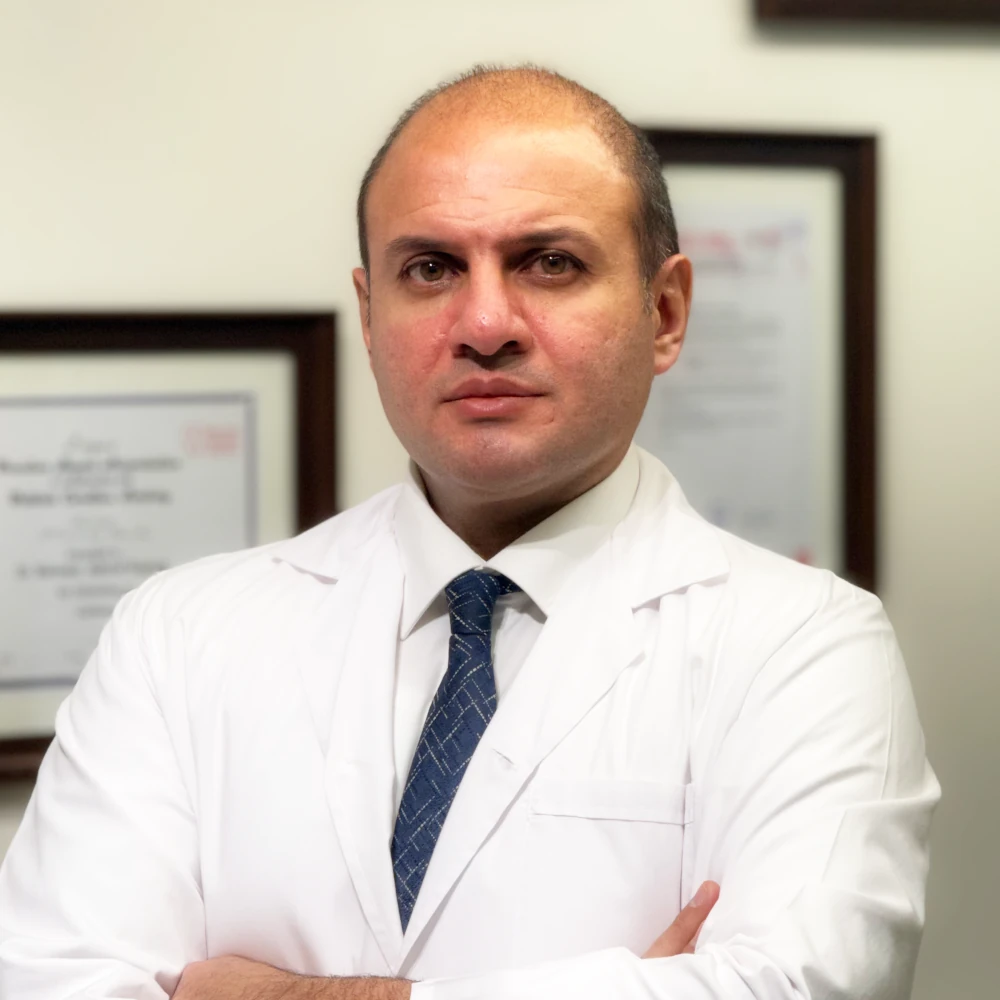
Dr. Behnam Vaghefi holds a fellowship in cardiology and vascular diseases, is a specialist in varicose vein treatment, and is a member of the American and European Heart Associations. This article has been written with the review and approval of Dr. Vaghefi, who is the author of several articles and books on cardiology and vascular diseases, and who has years of experience treating patients in his specialized clinic.
Medical Consultation