
Constipation is a serious threat to varicose veins | Examining the cause and treatment
You may be surprised by the connection that could exist between constipation and varicose veins. Although at first glance these two conditions may seem unrelated research has shown that there is a connection between them!





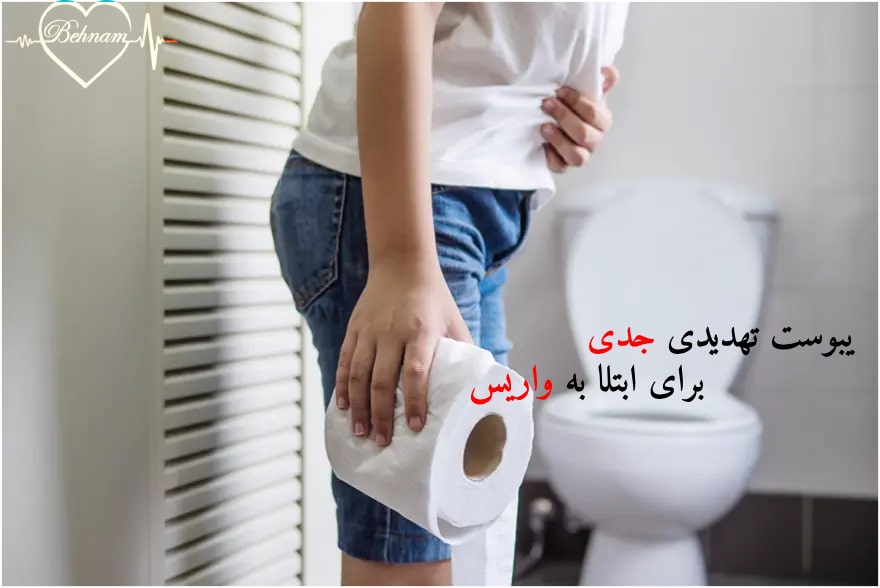
You may be surprised by the connection that could exist between constipation and varicose veins. Although at first glance these two conditions may seem unrelated research has shown that there is a connection between them!
- What is Constipation?
- The Link Between Constipation and Varicose Veins
- Shared Risk Factors Between Constipation and Varicose Veins
- Constipation and Anal Varicose Veins (Hemorrhoids)
- Prevention of Constipation and Varicose Veins
Constipation and varicose veins are common conditions affecting many people. Almost everyone has experienced constipation at least once. At first glance there may seem to be no direct link between these two but research shows a connection between constipation and leg varicose veins.
What is Constipation?
Constipation is a condition where stool is hard and dry or difficult to pass. It may result from slow bowel movements, dehydration, poor diet, certain medications or intestinal diseases. Most people experience it occasionally without serious issues. However chronic or frequent constipation should be taken seriously as it can cause health problems and is a serious risk factor for developing varicose veins.
The Link Between Constipation and Varicose Veins
A varicose vein specialist states that excessive straining during bowel movements increases pressure on veins especially in the lower body raising the risk of varicose veins in the future. Although the exact mechanism is not fully understood possible reasons include:
Venous Inflammation: Chronic constipation causes inflammation and swelling in leg veins a precursor to varicose veins.
Increased Intra-Abdominal Pressure: Straining increases abdominal and vein pressure affecting blood flow in leg veins and raising varicosity risk.
Reduced Blood Flow: Persistent constipation disrupts lower body circulation increasing blood pooling and vein dilation.
Damage to Nest-Valves: Straining directs pressure toward nest-like valves in leg veins damaging them. Dysfunction in these valves is a primary cause of varicose veins.
Venous Insufficiency: Constipation and straining compress lower body veins gradually leading to insufficiency a key factor in varicose veins.
Hormonal Changes: Reduced progesterone levels linked to constipation also increase varicose vein risk.
Unhealthy Lifestyle: People with constipation often have low-fiber diets, inadequate fluid intake and sedentary behavior all risk factors for varicose veins.
Shared Risk Factors Between Constipation and Varicose Veins
Certain factors increase risk for both:
Genetics: Family history is a major factor. Take prevention and treatment seriously if present in your family.
Age: Risk increases with age. Seniors should pay extra attention.
Gender: Women are at higher risk due to hormonal changes and pregnancy. See Varicose Veins in Women for details.
Pregnancy: Hormonal changes and increased abdominal pressure raise risk. Read Varicose Veins During Pregnancy for more.
Obesity: Excess weight increases vein pressure a risk for both. Want to know How Are Obesity and Varicose Veins Related?

Symptoms of Varicose Veins
Key symptoms include:
Swollen, twisted veins in the legs
Heaviness and fatigue in the legs
Dull or shooting pain
Itching and tingling
Ankle or calf swelling
Skin discoloration
Ulcers or infections
Symptoms of Constipation
Common signs:
Hard, dry stool
Difficult, sometimes painful bowel movements
Incomplete evacuation
Bloating and gas
Feeling of intestinal blockage
Loss of appetite
Lethargy
Chronic constipation may also cause anal varicose veins (hemorrhoids) explained below.
Constipation and Anal Varicose Veins (Hemorrhoids)
Hard, dry stool strains muscles and veins around the anus. This pressure gradually causes swelling and dilation of anal veins leading to hemorrhoids. Symptoms include:
Rectal bleeding
Pain and discomfort in the anal area
Itching and burning
Tissue protrusion from the anus
Thus constipation is not only a threat to leg varicose veins but a serious risk for anal varicose veins or hemorrhoids.
Prevention of Constipation and Varicose Veins
These strategies help prevent both:
Drink adequate water daily
Follow a healthy, fiber-rich diet
Exercise regularly for at least 30 minutes daily
Maintain a healthy weight
Avoid prolonged standing or sitting
Avoid long toilet sitting and straining
Use laxatives only as prescribed
Wear compression stockings
Conclusion
Constipation may seem simple and harmless and many don’t treat it seriously. But when chronic it gradually paves the way for other conditions like varicose veins. Hemorrhoids are the most known complication but leg varicose veins are also linked. Lifestyle changes, a healthy diet, regular exercise and weight control can prevent and reduce both. If symptoms are severe or persistent consult a doctor immediately.

Dr. Behnam Vaghefi holds a fellowship in cardiology and vascular diseases, is a specialist in varicose vein treatment, and is a member of the American and European Heart Associations. This article has been written with the review and approval of Dr. Vaghefi, who is the author of several articles and books on cardiology and vascular diseases, and who has years of experience treating patients in his specialized clinic.
Medical Consultation