Truncal Varicose Veins: Causes, Symptoms, Complications & Best Treatments
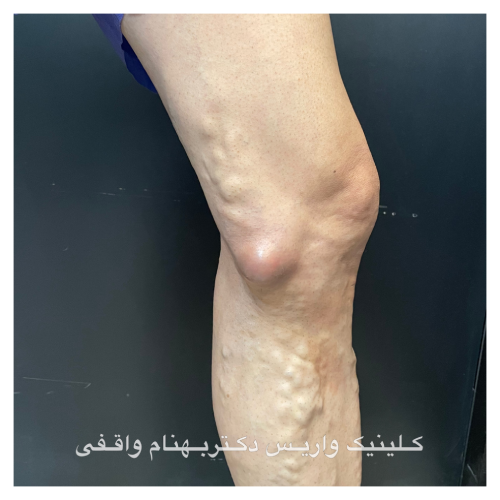
Approximately 3 out of 10 people may develop very large, prominent varicose veins in their legs during their lifetime. These veins become thickened and twisted and are referred to as truncal varicose veins.



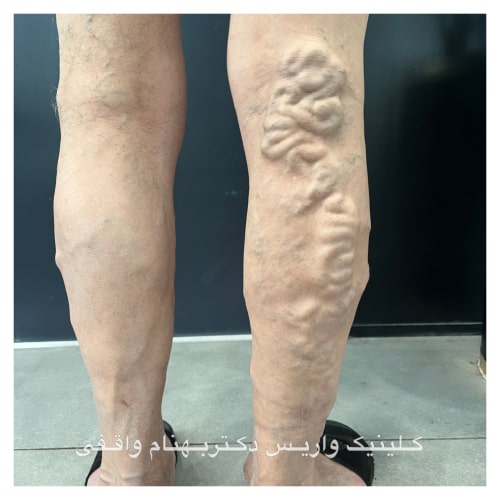
Approximately 3 out of 10 people may develop very large, prominent varicose veins in their legs during their lifetime. These veins become thickened and twisted and are referred to as truncal varicose veins.
- Causes of Truncal Varicose Veins
- Symptoms of Truncal Varicose Veins
- Complications of Truncal Varicose Veins
- Diagnosis of Truncal Varicose Veins
- Treatment of Truncal Varicose Veins
Weakness or dysfunction in the "valves" (specifically sized valves located in veins that open and close to facilitate blood flow from the legs toward the heart and prevent its backflow) causes blood flow from the legs to the heart to malfunction and flow backward towards the legs. Blood pooling in the veins causes them to appear as swollen, twisted cords in the legs.
3 out of 10 people may suffer from truncal varicose veins. According to statistics from a clinic in New York about 40% of varicose veins in men and 2% in women are of the truncal type. Although superficial varicose veins seem more common they often don't receive as much attention as truncal varicose veins because they generally don't cause significant pain or discomfort.
Causes of Truncal Varicose Veins
The most important causes leading to truncal varicose veins include:
Valvular Dysfunction: If the valves in the groin area become impaired or weak and cannot prevent blood backflow to the legs over time more valves in the leg veins become damaged and more blood pools in the veins. This causes the veins to appear bulging and cord-like. This dysfunction can be sudden and without cause but is mostly due to one of the following reasons.
Congenital & Genetic Factors: Sometimes due to a genetic or congenital defect in the veins and venous valves, this type of varicose vein develops.
Age: Aging reduces the elasticity and resilience of veins thereby increasing blood reflux and pooling.
Occupations Requiring Prolonged Standing or Sitting: Working in an environment that requires long periods of standing or sitting increases the risk of developing truncal varicose veins.
Pregnancy: Increased weight and blood volume in the veins along with hormonal changes during pregnancy are contributing factors. The article on varicose veins during pregnancy will provide you with further assistance on this topic.
Trauma or Pressure on the Legs: Sometimes an injury to the legs or heavy physical exercise that puts excessive pressure on the legs can cause truncal varicose veins.
Symptoms of Truncal Varicose Veins
Important signs and symptoms observed in truncal varicose veins include:
Visible bulging, swollen and twisted veins
Swelling sensation in the calf and ankle
Feeling of fatigue, heaviness, pain or cramping in the legs
Skin discoloration and itching at the varicose site
In chronic and severe cases, leg ulcers
Complications of Truncal Varicose Veins
A common question among patients is: Are truncal varicose veins dangerous? In response it should be noted that considering some resulting complications if this type of varicose vein is left untreated and becomes chronic and severe, yes, it can be hazardous. The article "Can Varicose Veins Cause Death?" has thoroughly examined this topic. Complications include:
Vein Inflammation (Phlebitis): Venous insufficiency and increased pressure in leg veins cause inflammation and bulging.
Skin Changes: Darkening, dryness, inflammation and in more severe cases, thinning and fragility of the skin.
Ulcers, Bleeding and Potential Infection: In severe cases, truncal varicose veins can cause ulcers near the ankle due to blood pooling and high pressure. Superficial varicose veins near the skin can rupture due to scratches or trauma causing bleeding and resulting ulcers may become infected.
Blood Clotting in the Legs Leading to Pulmonary Embolism: Blood clots forming in the deep leg veins due to truncal varicose veins can travel to the lungs causing pulmonary embolism.
Diagnosis of Truncal Varicose Veins
First a varicose vein specialist examines the patient through a physical visit. The best method for diagnosing and evaluating truncal varicose veins is Doppler ultrasound, performed similarly to a regular clinic ultrasound showing the function of leg veins, valves and blood flow. The physician's experience and accurate diagnosis at this stage are crucial as they determine the appropriate treatment method. Prescribing any treatment without precise evaluation and ultrasound may lead to errors and complications.
Treatment of Truncal Varicose Veins
Treatment depends on the patient's condition and the physician's diagnosis. Sometimes several treatment methods may be used simultaneously.
Surgery (Traditional Vein Stripping): In the past when treatment methods were less advanced surgery was more common. Unfortunately many patients visiting our clinic had previously undergone surgery for truncal varicose veins but the condition recurred after a while leading them to prefer non-surgical treatments. Therefore this method is not recommended except in specific cases due to its inability to fully occlude varicose veins and the high likelihood of recurrence.
Laser Treatment (EVLT Endovenous Laser Ablation): The best method for treating truncal varicose veins is EVLT laser treatment. This method uses endovenous laser to occlude and eliminate varicose veins. Symptoms gradually improve after this procedure.
Sclerotherapy: This involves injecting a substance into varicose veins to occlude and eliminate them. It is more effective for superficial and spider veins and may only be used as a complementary method with laser for truncal varicose veins. Performing this method without accurate diagnosis and ultrasound may not only be ineffective and lead to recurrence but also carries risks of side effects and staining.
Mini-Phlebectomy: Another treatment that may be recommended by a physician. This minimally invasive method involves removing varicose veins through small skin incisions and is preferable to traditional surgery.
Medication: Medications are often used alongside other treatments especially if truncal varicose veins are accompanied by complications like ulcers or infections. Sometimes wound control may require hospitalization.
Conclusion
Truncal varicose veins are one of the types of vascular insufficiency in the legs that should be addressed and treated from the very beginning. Neglect and chronic progression can lead to symptoms and complications that are difficult to tolerate and remedy.
Blood clot formation and pulmonary embolism are potential dangers of truncal varicose veins. Accurate diagnosis and appropriate treatment are vital. Always ensure your physician's expertise and diagnosis before proceeding with treatment.
(FAQ)
1. Can truncal varicose veins be treated with traditional medicine?
Many try methods like ointments or leech therapy, but these often prove ineffective and may even cause side effects like bleeding or permanent marks.
2. Can compression stockings cure truncal varicose veins?
Compression stockings can only help prevent progression and alleviate symptoms but cannot cure truncal varicose veins.
3. Is exercise beneficial for truncal varicose veins?
Yes, exercises like swimming, walking and cycling can improve circulation and help reduce symptoms. However high-pressure exercises like weightlifting that strain leg veins are not suitable.
4. Are truncal varicose veins dangerous?
They are usually not dangerous. However if symptoms like skin ulcers, bleeding, redness, severe pain, warmth, sudden leg swelling accompanied by shortness of breath or blood clots occur, immediate medical attention is required.
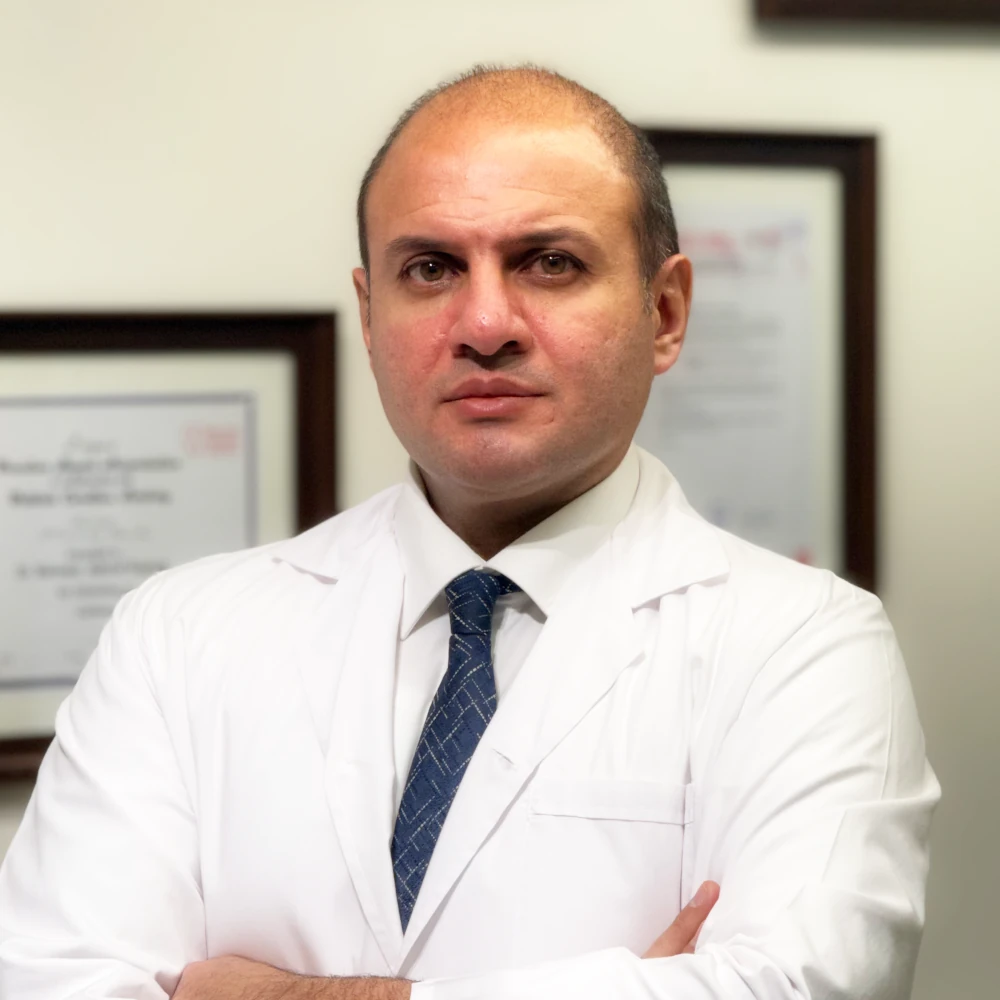
Dr. Behnam Vaghefi holds a fellowship in cardiology and vascular diseases, is a specialist in varicose vein treatment, and is a member of the American and European Heart Associations. This article has been written with the review and approval of Dr. Vaghefi, who is the author of several articles and books on cardiology and vascular diseases, and who has years of experience treating patients in his specialized clinic.
Medical Consultation