Varicose veins in men: A comprehensive review of causes, symptoms and treatment
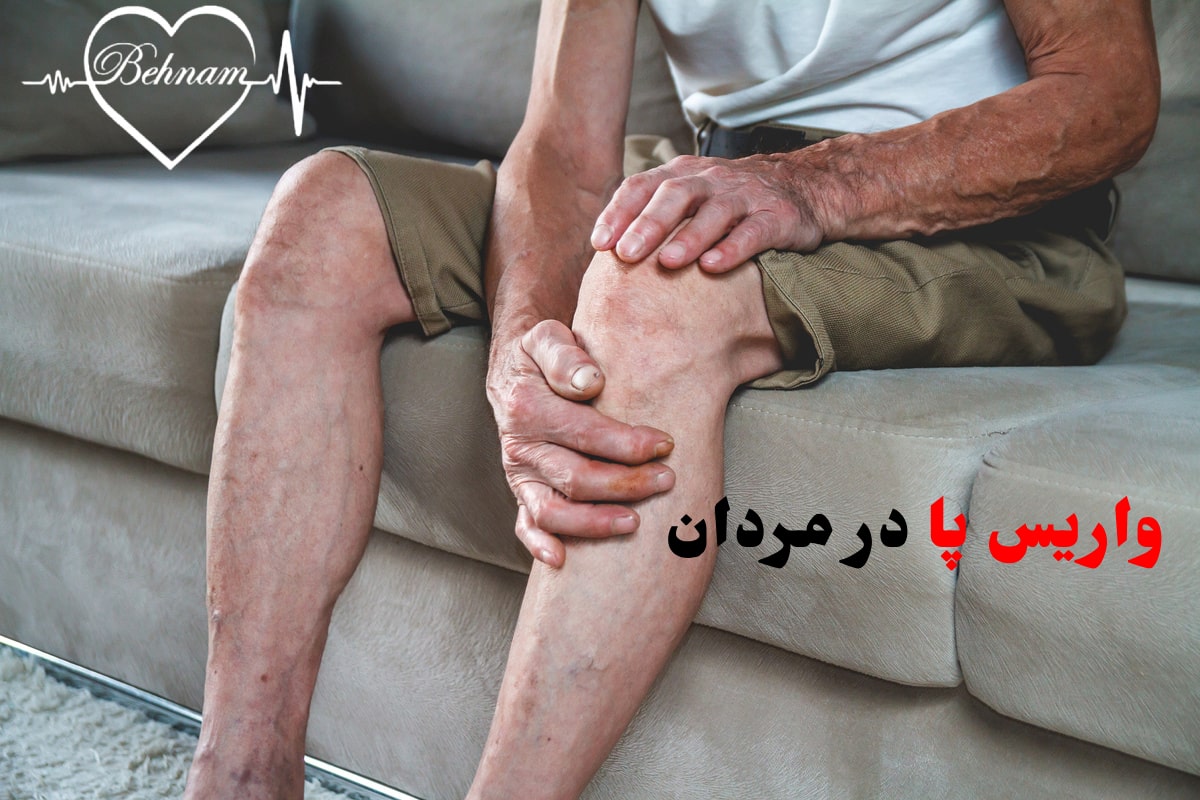
Most people associate varicose veins with women but men like women are also at risk of developing varicose veins in the legs. However they often do not take this condition seriously until it becomes severe and affects their quality of life.





Most people associate varicose veins with women but men like women are also at risk of developing varicose veins in the legs. However they often do not take this condition seriously until it becomes severe and affects their quality of life.
- Causes of Varicose Veins in Men
- Symptoms of Varicose Veins in Men
- Complications of Varicose Veins in Men
- Prevention of Varicose Veins in Men
- Treatment of Varicose Veins in Men
Dilation and twisting of veins due to blood pooling lead to varicose veins a condition more common in women (about 55%) due to anatomy and hormonal changes while in men with a prevalence of around 45% it often receives less attention. Men can also be at risk due to factors like intense physical activity, lifestyle and genetics with recent studies indicating that 10–15% of men in developed countries are affected. To learn more about varicose veins, their symptoms and types we recommend reading What Are Varicose Veins?
Causes of Varicose Veins in Men
The main causes of varicose veins in men include:
Continuous Pressure on Legs: Jobs or activities requiring prolonged standing or sitting can damage vein walls and valves, increasing the risk of varicose veins. Occupations like sales, baking, barbering, construction, farming, nursing and driving put men at risk.
Heredity and Genetics: A family history of varicose veins is a significant factor. If parents or close relatives have the condition men are more likely to develop it.
Lifestyle: An unhealthy diet, lack of physical activity and absence of regular exercise can contribute to this condition.
Obesity: Excess weight puts significant pressure on leg veins, impairing their function and causing varicosity. Read more in Obesity and Varicose Veins.
Smoking and Alcohol: Alcohol can dilate veins and frequent consumption may weaken vein walls and impair valve function. Smoking weakens muscles and veins reducing the ability to return blood from the legs to the heart. The combination of smoking and alcohol has a more destructive effect, disrupting vein valve function and predisposing them to varicosity.
Age: As age increases, vein walls and valves weaken reducing their efficiency. Older men may be more prone to varicose veins though the condition can also occur in children or young adults.
Venous Diseases: Key venous diseases linked to varicose veins include:
Chronic Venous Insufficiency: Faulty venous valves (e.g., bicuspid valves) that prevent blood backflow malfunction causing blood pooling, inflammation, swelling and varicosity.
Deep Vein Thrombosis (DVT): Blood clots form in deep leg veins, potentially damaging valves and increasing varicose vein risk. Its primary danger is the risk of pulmonary embolism.
May-Thurner Syndrome: A rare condition where a major vein returning blood from the legs to the heart is compressed, reducing blood flow, leading to pooling and possible clot formation or other symptoms.
Underlying Diseases:
Diabetes: Damages blood vessels, impairs circulation, increases varicosity risk and delays or prevents healing of varicose-related wounds.
Hypertension: Increased pressure on vein walls can cause dilation and dysfunction leading to varicose veins.
Cardiovascular Diseases: Disrupt normal blood flow, affecting vein function, causing blood pooling and varicose symptoms.
Kidney Diseases: Renal insufficiency causes fluid retention, increasing pressure on leg veins and predisposing to varicose veins.
Liver Diseases: Conditions like cirrhosis increase venous system pressure, potentially causing varicose veins in the legs or other areas.
Male Hormones: Hormones play a lesser role in men than women but low testosterone levels may weaken vein walls, increasing varicose vein risk.
Trauma or Injury: A blow or injury to the leg or its veins can damage vein walls leading to varicosity.
Symptoms of Varicose Veins in Men
Varicose veins present various symptoms that may worsen over time:
Pain, heaviness and fatigue in the legs especially after prolonged standing or sitting.
Leg muscle cramps, particularly at night or during physical activity.
Itching and burning around varicose veins.
Swelling and inflammation in the legs and ankles especially after a long day or intense activity.
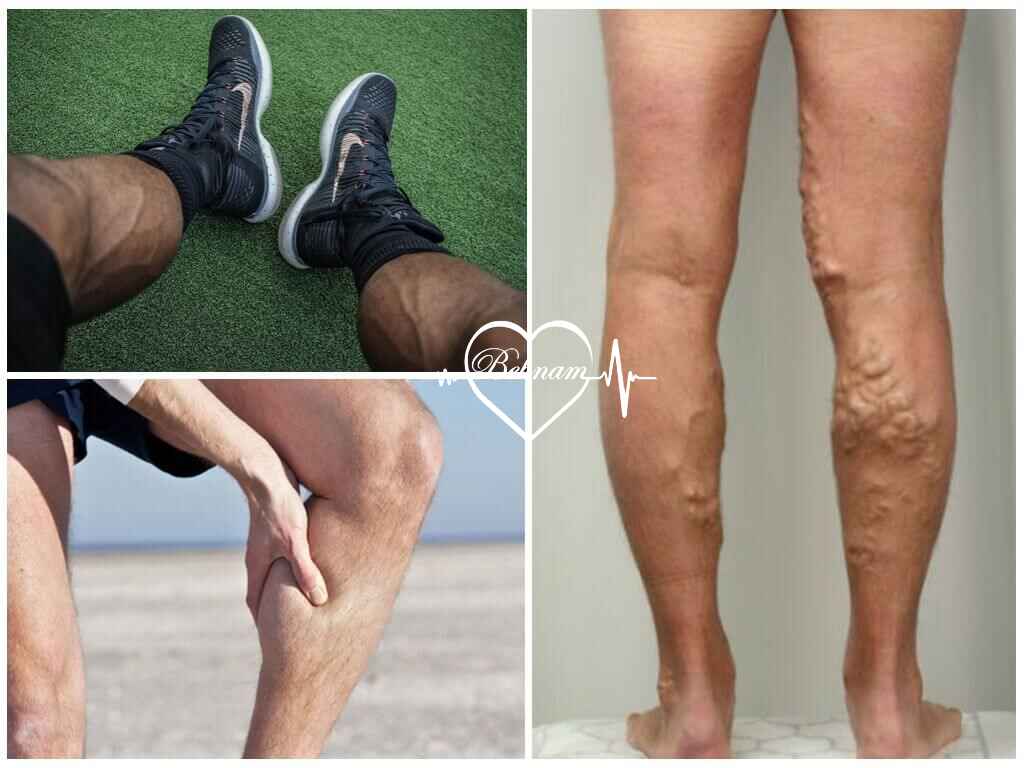
Prominent, twisted veins in blue or purple visible under the skin.
Skin changes, including discoloration and dryness.
Men with leg hair may not notice some visible symptoms so extra attention is needed.
Complications of Varicose Veins in Men
Complications include:
Bleeding: Any injury or pressure to varicose veins can cause bleeding.
Ulcers: Excessive pressure on vein walls and surrounding tissues causes skin ulcers especially around the ankles.
Infections: Weakened, damaged skin from varicose veins is prone to infections, worsening and delaying healing.
Blood Clots: Blood pooling in deep leg veins can lead to clots increasing the risk of pulmonary embolism.
Prevention of Varicose Veins in Men
These measures can help prevent the condition:
Avoid prolonged standing or sitting; change body position every 30 minutes to reduce vein pressure.
Regular light exercise like walking or swimming strengthens leg muscles and improves blood flow.
Weight control reduces pressure on veins and lowers varicose vein risk.
A healthy lifestyle including a balanced diet, adequate hydration and avoiding inactivity helps prevent the condition.
Quitting smoking and alcohol which damage blood vessels is effective.
Wearing compression stockings supports blood flow and reduces varicose symptoms.
Elevating legs above heart level during rest or sleep several times a day is beneficial.
Avoid activities like lifting heavy objects or weightlifting that exert excessive pressure on leg veins.
Using moisturizers and sunscreen, especially for dry or sensitive skin exposed to sunlight for long periods is helpful. Men often pay less attention to skin care than women which can be a distinguishing factor in varicose vein development.
Treatment of Varicose Veins in Men
Today unlike the past multiple treatments exist for varicose veins and a specialist selects the appropriate one based on the type, severity and patient’s condition. Treatments are generally divided into non-surgical and surgical methods:
Non-surgical methods for men's varicose veins
Sclerotherapy: A special chemical solution is injected into damaged veins via a small needle causing them to close and seal.
Laser Therapy: beams are used to close and seal varicose veins.
Radiofrequency (RF): Similar to laser therapy but radiofrequency waves are used to eliminate damaged veins.
VenaSeal Glue: It is an advanced and minimally invasive technique for treating varicose veins. Unlike traditional methods such as surgery or even laser and radiofrequency which use heat to close the vein this method uses a special medical adhesive to close the patient's vein.
surgical methods for men's varicose veins
Phlebectomy: Varicose veins are removed through tiny incisions.
Traditional Surgery: An older method used when non-surgical options are not feasible.
Conclusion
Varicose veins in men are a common condition but are often overlooked and contrary to popular belief this condition is not exclusive to women; men are also significantly affected. However many delay consulting a doctor due to neglecting early symptoms such as pain, heaviness and swelling. Major risk factors in men include genetic history, prolonged standing or sitting (jobs such as driving, baking), obesity and ageing. Unfortunately delaying treatment can lead to more serious complications such as skin changes, venous ulcers and even thrombosis (blood clots). Fortunately modern and minimally invasive methods such as endovenous laser therapy (EVLA) and varicose vein glue (VenaSeal) are now available which effectively treat this problem without the need for major surgery and with a short recovery period.
FAQs
Can varicose veins occur in youth or at age 20?
Yes, varicose veins can occur at any age with the risk increasing with age due to vein weakening.
Do varicose veins resolve on their own?
Varicose veins, caused by structural vein issues do not resolve without treatment.
Is varicose vein treatment different for men and women?
Treatment depends on the type, severity and patient’s condition not gender.
What factors most contribute to varicose veins in men?
Genetics, congenital defects, obesity, underlying diseases, strenuous or prolonged jobs/activities, trauma, smoking, alcohol and lifestyle are key factors.
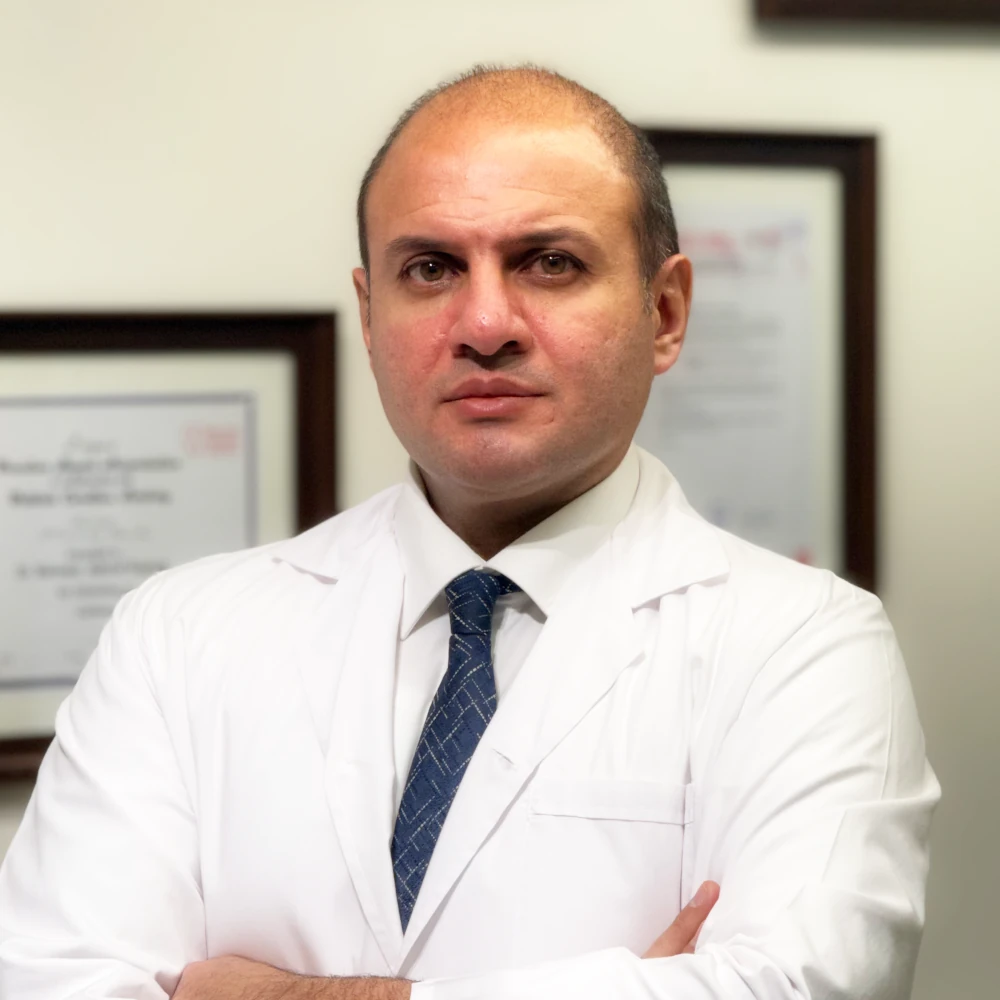
Dr. Behnam Vaghefi holds a fellowship in cardiology and vascular diseases, is a specialist in varicose vein treatment, and is a member of the American and European Heart Associations. This article has been written with the review and approval of Dr. Vaghefi, who is the author of several articles and books on cardiology and vascular diseases, and who has years of experience treating patients in his specialized clinic.
Medical Consultation
ممنون از مطالب اموزنده و خوبتان ایا بدنسازی باعث واریس پا برای مردان می شود؟چه کارهایی از آن جلوگیری می کنه؟
با سلام بعضی از ورزش ها و تمرینات بدنسازی که باعث فشار به ورید یا پاها می شوند می توانند موجب واریس پا شوند. برای جلوگیری و پیشگیری از واریس راهکارهایی که در مقاله نکات طلایی در پیشگیری از واریس پا عنوان کردیم را به شما جهت مطالعه پیشنهاد می کنیم.