
Compression Stockings: Dos and Don'ts, Types, Washing Instructions, Advantages and Disadvantages.
Compression stockings (or varicose vein stockings) work by applying pressure to the legs which helps push blood upward, increases its flow velocity and reduces vascular swelling. This is why they are also called compression stockings.




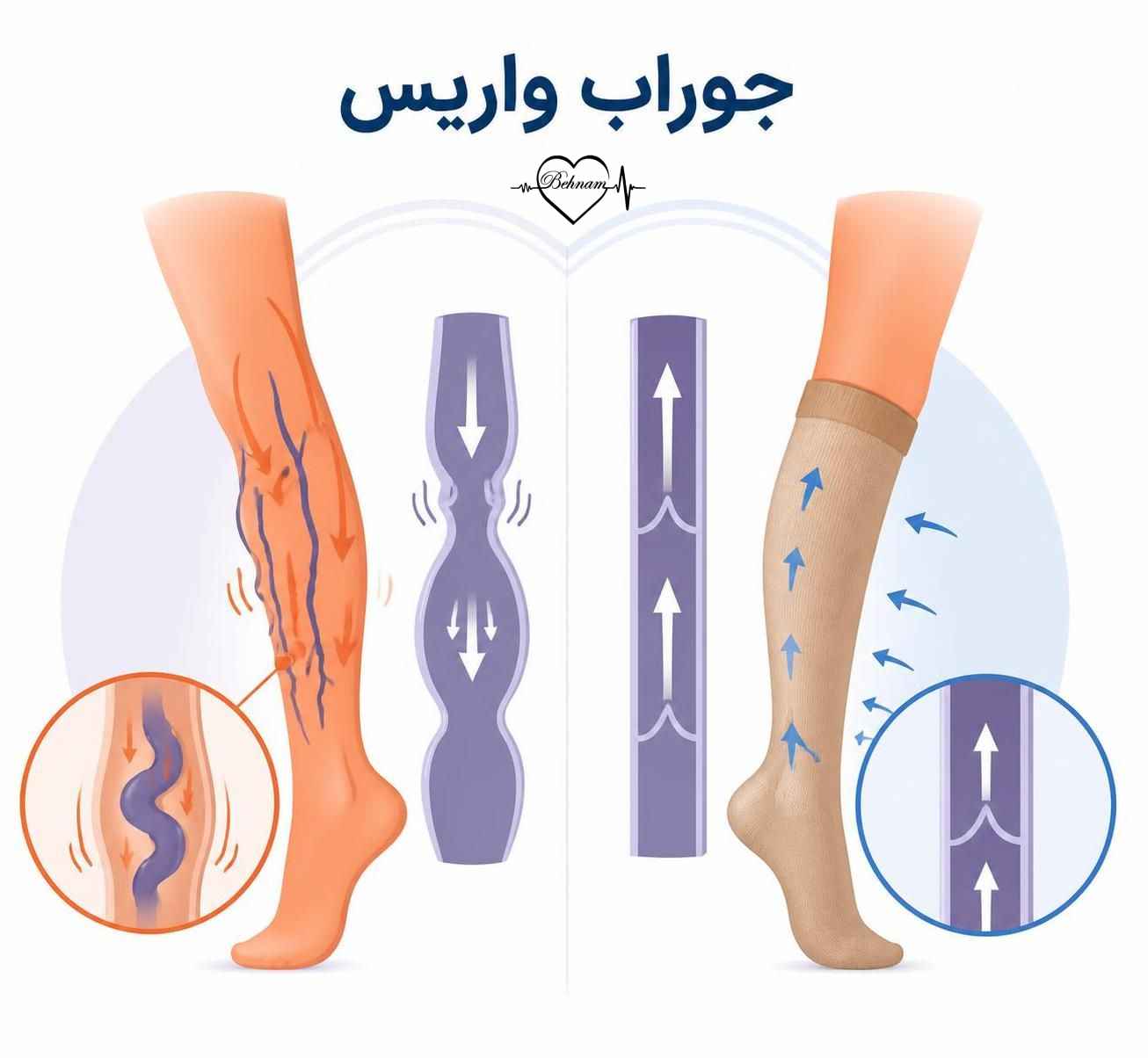
Compression stockings (or varicose vein stockings) work by applying pressure to the legs which helps push blood upward, increases its flow velocity and reduces vascular swelling. This is why they are also called compression stockings.
- Applications and Benefits of Compression Stockings
- Which Compression Stocking Is Best?
- Types of Compression Stockings
- How to Use Compression Stockings
- How Many Hours Should Compression Stockings Be Worn?
- Washing and Care Instructions
- Potential Side Effects of Compression Stockings
Compression stockings are one method of managing vascular disease or varicose veins. These stockings are designed to improve blood flow in the veins and reduce the symptoms of the condition. Compression stockings may alleviate symptoms and help prevent varicose veins from worsening but they require consistent use to be effective and do not address the root cause of the disease. They work by applying pressure to the legs which helps push blood upward, increases its velocity and reduces vascular swelling—hence the name "compression stockings."
Applications and Benefits of Compression Stockings
A wide range of applications and benefits can be considered including:
Helping improve and reduce early symptoms of varicose veins such as leg fatigue and heaviness especially in individuals with sedentary jobs or those who stand for long periods (e.g., office workers, hairdressers, drivers, flight crew, teachers).
Preventing the progression of varicose veins particularly in:
Individuals who are occupationally predisposed. The article "Occupations That Cause and Increase the Risk of Varicose Veins" contains comprehensive information about jobs that lead to varicose veins.
Pregnancy.
The post-surgical period when patients require prolonged rest.
Managing advanced symptoms of varicose veins such as:
Symptoms of chronic venous insufficiency, leg swelling, skin changes and leg ulcers.
Preventing blood clots in the legs (DVT).
Treating orthostatic hypotension (a drop in blood pressure upon standing where blood pools in the leg veins, reducing blood flow to the brain).
Ease of use in daily activities: You can comfortably wear them during your daily routines under any circumstances without discomfort.
Which Compression Stocking Is Best?
To determine which compression stocking is best, consider the following points when selecting or purchasing. Additionally a physician will provide the best recommendation based on your specific condition and diagnosis.
Length and Size
Below-knee: Typically used for occupational prevention.
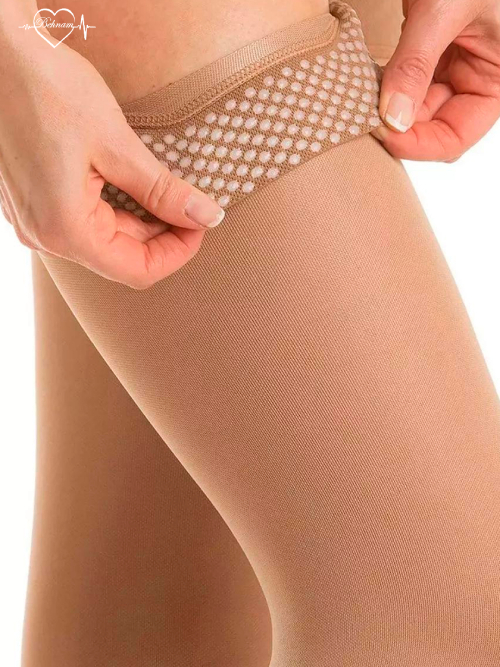
Thigh-high or pantyhose style: Recommended for pregnancy prevention, post-operative care and post-thrombotic syndrome.
Material
Cotton compression stockings are breathable, prevent sweating and minimize the risk of skin irritation. When purchasing you should also pay attention to the seams of the stocking. If the seams are not well-finished, they can cause chafing or ulcers. Additionally the stocking should be thin enough to fit comfortably inside shoes. Reading the article "Suitable and Special Shoes for Varicose Veins" can assist you in choosing appropriate footwear for varicose veins.
Compression Level
Each compression class is recommended for specific conditions:
Class 1 (Light Compression): For occupational prevention, long flights, pregnancy, post-operative recovery and relief of leg fatigue/heaviness.
Class 2 (Medium Compression): Post-varicose vein treatment, post-deep vein thrombosis (DVT), orthostatic hypotension and venous ulcers.
Class 3 & 4 (High/Extra High Compression): Must be prescribed by a physician.
4.Color and Toe Style (Open/Closed)
These are based on patient preference and do not affect therapeutic quality.
Types of Compression Stockings
These stockings are categorized based on the amount of pressure they exert:
Light Compression Stockings
Exert minimal pressure, mainly used for prevention and relieving fatigue.
Medium Compression Stockings
Provide moderate pressure, suitable for patients with mild to moderate varicose vein symptoms.
High Compression Stockings
Deliver strong pressure, intended for severe varicose veins and used under medical prescription.
How to Use Compression Stockings
It is best to put them on in the morning before getting out of bed. This ensures even pressure distribution. If you need to remove them during the day (e.g., for bathing/swimming), elevate your legs for 10 minutes before putting them back on. Regularly check your skin for any signs of blistering or ulcers. Ensure the stockings are smooth and without wrinkles or bunching when worn.
How Many Hours Should Compression Stockings Be Worn?
The duration depends on medical advice but typically wearing them during the day for 8–16 hours is recommended as this is when you are most active and pressure on the legs is greatest. Wearing them at night during sleep is generally unnecessary.
Washing and Care Instructions
Stockings should be washed daily. It is advisable to have at least two pairs to alternate. Regular washing prevents odor and maintains hygiene. Care guidelines:
Wash with lukewarm water (around 40°C), not hot water.
Hand wash only (do not machine wash).
To dry, lay them flat on a towel; avoid hanging.
Never use high heat for drying.
Potential Side Effects of Compression Stockings
May cause tingling or numbness in the feet especially if too tight.
Non-cotton materials may lead to allergies, itching, sweating or foot odor.
May cause swelling or toe spasms (in such cases, closed-toe stockings are preferable).
Wrinkles or bunching can cause skin ulcers.
Incorrect size or compression level may impair circulation.
May cause itching or skin discomfort in individuals with allergies.
What Are Anti-Embolism Stockings (TED Stockings) and How Do They Differ from Compression Stockings?
These stockings (also called Thrombo-Embolic Deterrent - TED stockings) are designed for bedridden patients. Prolonged immobility can cause blood to pool and clot in the legs, leading to swelling, pain or even fatal complications. Anti-embolism stockings help prevent vascular blockage. Unlike standard compression stockings designed for mobility, they are specifically for immobilized patients.
Note: Individuals with diabetes or heart failure should consult a physician before using compression stockings.
FAQs
How do compression stockings work?
They apply gradual, consistent pressure to the legs, aiding venous return to the heart, improving circulation, preventing blood pooling in varicose veins and reducing swelling and inflammation.
Who should use compression stockings?
Individuals with varicose veins, pregnant women, those who are overweight, people who stand or sit for long periods and post-venous surgery patients.
What is the best time of day to wear them?
The best time is before starting daily activities ideally before getting out of bed.
Do compression stockings cure varicose veins?
No, they do not cure varicose veins but help prevent symptom progression and alleviate discomfort.
Can compression stockings be washed?
Yes, following the care instructions provided.
Where can I buy compression stockings?
It is best to purchase them from specialized vein clinics, pharmacies or reputable medical supply centers. Buying from a specialized vein clinic under a specialist's guidance is the most reliable method.

Dr. Behnam Vaghefi holds a fellowship in cardiology and vascular diseases, is a specialist in varicose vein treatment, and is a member of the American and European Heart Associations. This article has been written with the review and approval of Dr. Vaghefi, who is the author of several articles and books on cardiology and vascular diseases, and who has years of experience treating patients in his specialized clinic.
Medical Consultation