
Varicose Vein Care in Winter: Does Cold Help?
What is the effect of cold weather and winter on leg varicose veins? The effect of cold on varicose veins is like a double edged sword; it can be beneficial in some ways yet harmful in others.



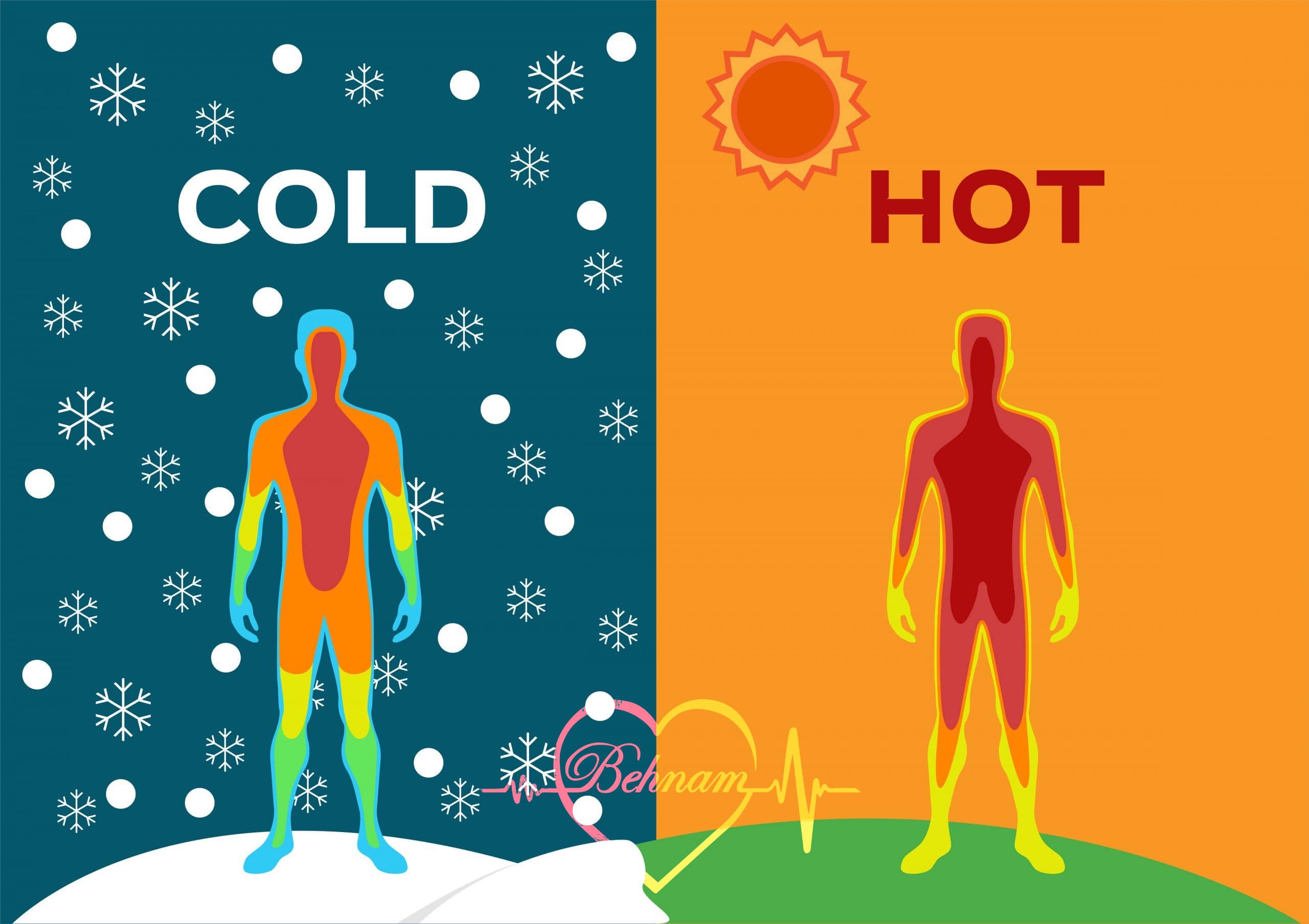
What is the effect of cold weather and winter on leg varicose veins? The effect of cold on varicose veins is like a double edged sword; it can be beneficial in some ways yet harmful in others.
Winter and cold weather can have both positive and negative effects on varicose veins depending on how you take care of yourself. Many believe cold contracts blood vessels and improves circulation, thereby reducing swelling and inflammation. However prolonged exposure to cold can also weaken circulation and worsen symptoms.
How Does Cold Affect Varicose Veins?
Cold weather significantly impacts not only varicose veins but overall vascular health:
Low temperature causes blood vessels and veins to contract better blood flow and less risk of pooling and clotting.
But prolonged cold exposure can stiffen muscles, reduce vein flexibility and worsen varicose symptoms.
Therefore, in winter, special and correct care is essential to prevent the disease from worsening.
Benefits of Cold for Varicose Veins
Reduced inflammation
Cold contracts veins improves blood flow, reduces swelling, inflammation and pain.Less vein activity
Natural reduction in overall blood flow in cold seasons less pooling and clotting milder symptoms.Better venous valve function
Lower temperature helps veins shrink improves valve performance less pressure, swelling and cramps.
Disadvantages of Cold for Varicose Veins
Dry skin
Dry, itchy winter skin can damage veins and worsen skin changes in chronic varicose veins.Reduced physical activity
Longer nights and desire to rest less walking and exercise increased blood pooling.Tight, heavy winter clothing
Tight socks, leggings or thick pants increase pressure on veins harmful for varicose patients.Higher intake of fats & carbs
Tendency toward rich, high-calorie foods weight gain (especially dangerous for overweight varicose patients).Excessive vessel contraction
Too much cold can over-constrict veins poor circulation higher risk of venous insufficiency.Thicker blood
Cold increases blood viscosity higher risk of clot formation than in warm seasons.
How to Care for Varicose Veins in Winter
Follow these tips to minimize cold-related harm:
Stay active
Walking, gentle stretching and varicose-friendly yoga improve circulation.
Read the article Best Exercises for Varicose Veins for detailed routines.Wear proper winter clothes
Warm but loose and comfortable clothing. Wide-leg warm pants, soft-soled boots and medical compression stockings are ideal.Healthy winter diet
Eat plenty of vitamin C-rich fruits (oranges, kiwi), leafy greens (spinach), nuts and high-fiber foods. Avoid excess salt.Avoid hot showers
We all enjoy taking a hot shower in winter. However if you suffer from varicose veins, it's best to avoid bathing with hot water. The effect of heat on leg varicose veins is that it causes greater dilation and swelling of the affected veins which will increase the associated pain and discomfort.Drink enough fluids
Hydration improves circulation and prevents skin dryness.Moisturize skin daily
Use rich creams or natural oils. A room humidifier also helps.Gentle leg massage
Foot massage can help improve blood circulation and promote the health of your feet during this season. It is crucial to note that it should not be performed with intensity or for prolonged periods as this may cause further damage to the veins.Limit cold exposure
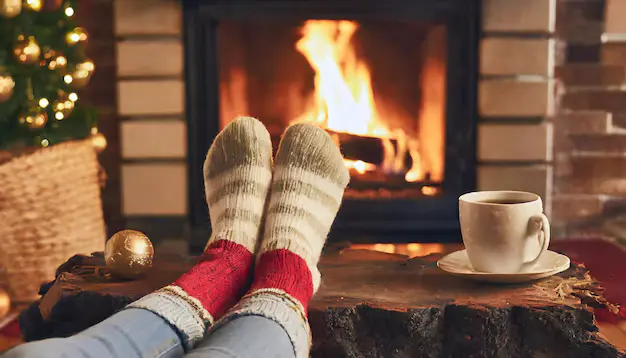
Reduce time spent in freezing weather to avoid muscle stiffness.Beneficial warm herbal teas (instead of coffee)
Hot beverages are always welcome in cold weather. However, it's important to note that not every hot drink is beneficial. An external source titled "How Does Cold Affect Varicose Veins?" indicates that consuming coffee and caffeinated drinks may lead to blood vessel constriction and reduced circulation, and it is preferable to replace them with herbal tea. Herbal infusions of ginger, mint, and chamomile can be effective in improving varicose vein symptoms.Borage flower tea improves circulation & reduces inflammation
Hawthorn tea strengthens vein walls & supports heart health
Ginkgo biloba tea strengthens veins & reduces symptoms
Maritime pine bark tea rich in procyanidins for vascular health
Witch hazel leaf tea reduces swelling, pain & inflammation
Conclusion
Whether winter helps or harms your varicose veins depends entirely on you. Cold can reduce some symptoms by contracting veins but it also carries risks. By following the tips above you can largely prevent worsening and even improve your condition during the cold season.
FAQ
1- Is cold water bad for varicose veins?
No, cold water is excellent for reducing inflammation and swelling. Prefer cool showers and avoid hot water.
2- Can cold weather cause blood clots?
Yes, some studies show blood becomes thicker in cold weather, slightly increasing clotting risk.
3- Is feeling cold or numb in the legs a sign of varicose veins?
Not usually. Numbness/cold sensation is more related to nerve or arterial issues. Prominent twisted veins, heaviness and swelling are classic varicose signs.
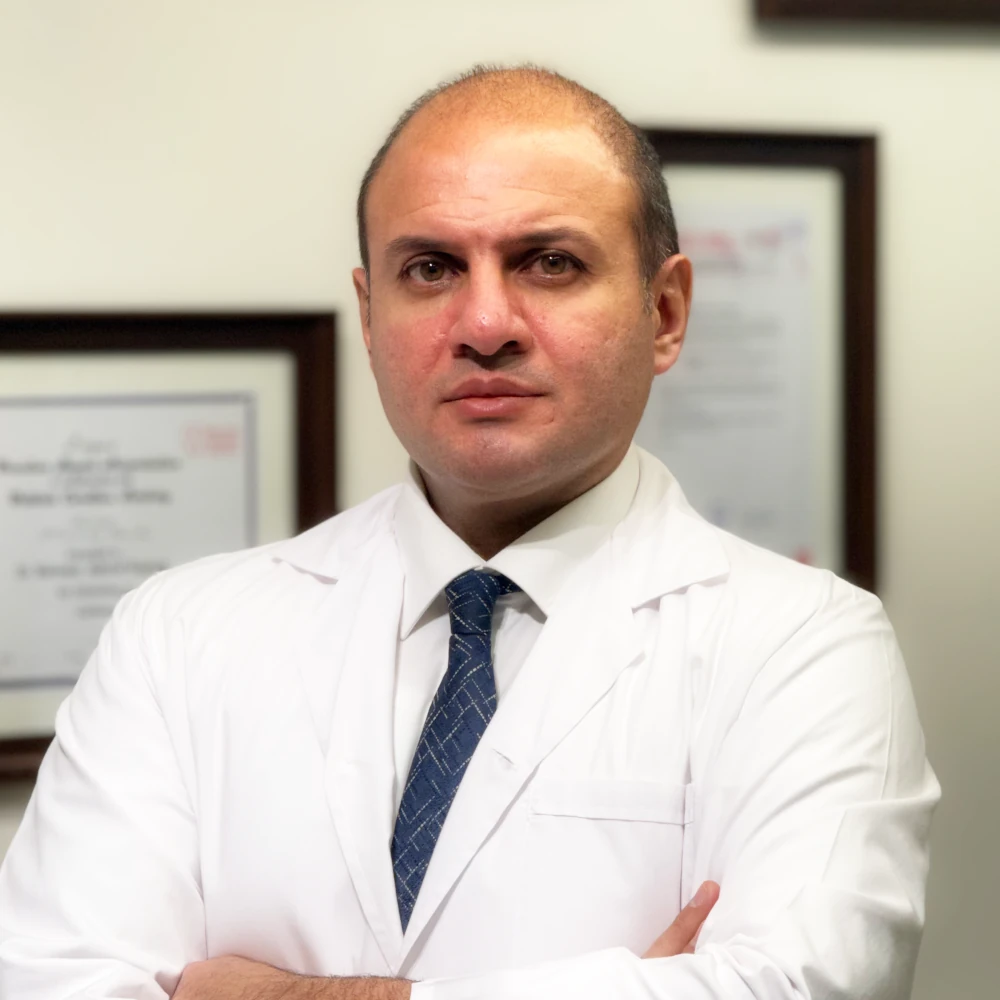
Dr. Behnam Vaghefi holds a fellowship in cardiology and vascular diseases, is a specialist in varicose vein treatment, and is a member of the American and European Heart Associations. This article has been written with the review and approval of Dr. Vaghefi, who is the author of several articles and books on cardiology and vascular diseases, and who has years of experience treating patients in his specialized clinic.
Medical Consultation
مقاله ی مفیدی بود ممنون😊 آیا کمپرس یخ برای واریس پا خوب است؟
با سلام کمپرس یخ سبب کاهش التهاب و تورم می شود و به انقباض رگ ها کمک می کند و از این رو در کاهش علائم واریس پا موثر است اما این روش را به عنوان درمان نمی توان در نظر گرفت.