Which treatment [sclerotherapy or laser] is better for leg varicose veins?
Sclerotherapy and laser are two methods for treating leg varicose veins each with its own advantages and disadvantages. You may also be wondering which method is better and more suitable for you.



![Which treatment [sclerotherapy or laser] is better for leg varicose veins?](https://drbehnamvaghefi.com/storage/176/%D8%A7%D8%B3%DA%A9%D9%84%D8%B1%D9%88%D8%AA%D8%B1%D8%A7%D9%BE%DB%8C-%DB%8C%D8%A7-%D9%84%DB%8C%D8%B2%D8%B1-%D9%88%D8%A7%D8%B1%DB%8C%D8%B3-%D9%BE%D8%A7.jpg)
Sclerotherapy and laser are two methods for treating leg varicose veins each with its own advantages and disadvantages. You may also be wondering which method is better and more suitable for you.
- Sclerotherapy and laser therapy
- Comparison of Sclerotherapy and Laser Therapy
- Combined Sclerotherapy and Laser Treatment
Varicose veins commonly seen in the legs result from weakened vein walls and valves causing increased blood pressure and pooling. This leads to swollen, twisted veins and symptoms like pain, discomfort, swelling, heaviness and fatigue, alongside an unsightly appearance. Many patients seek simple, low-pain, cost-effective treatments with short recovery and avoid surgery.
Today medical advancements offer diverse, convenient, often painless and bloodless treatments for varicose veins. Unlike the past when medication or surgery were the only definitive options methods like sclerotherapy and laser therapy are now available.
Sclerotherapy and laser therapy
Comparing these two methods, their applications, advantages and disadvantages helps in choosing the right treatment. However a specialist doctor decides based on the type, severity of varicose veins and patient’s overall condition.
Sclerotherapy
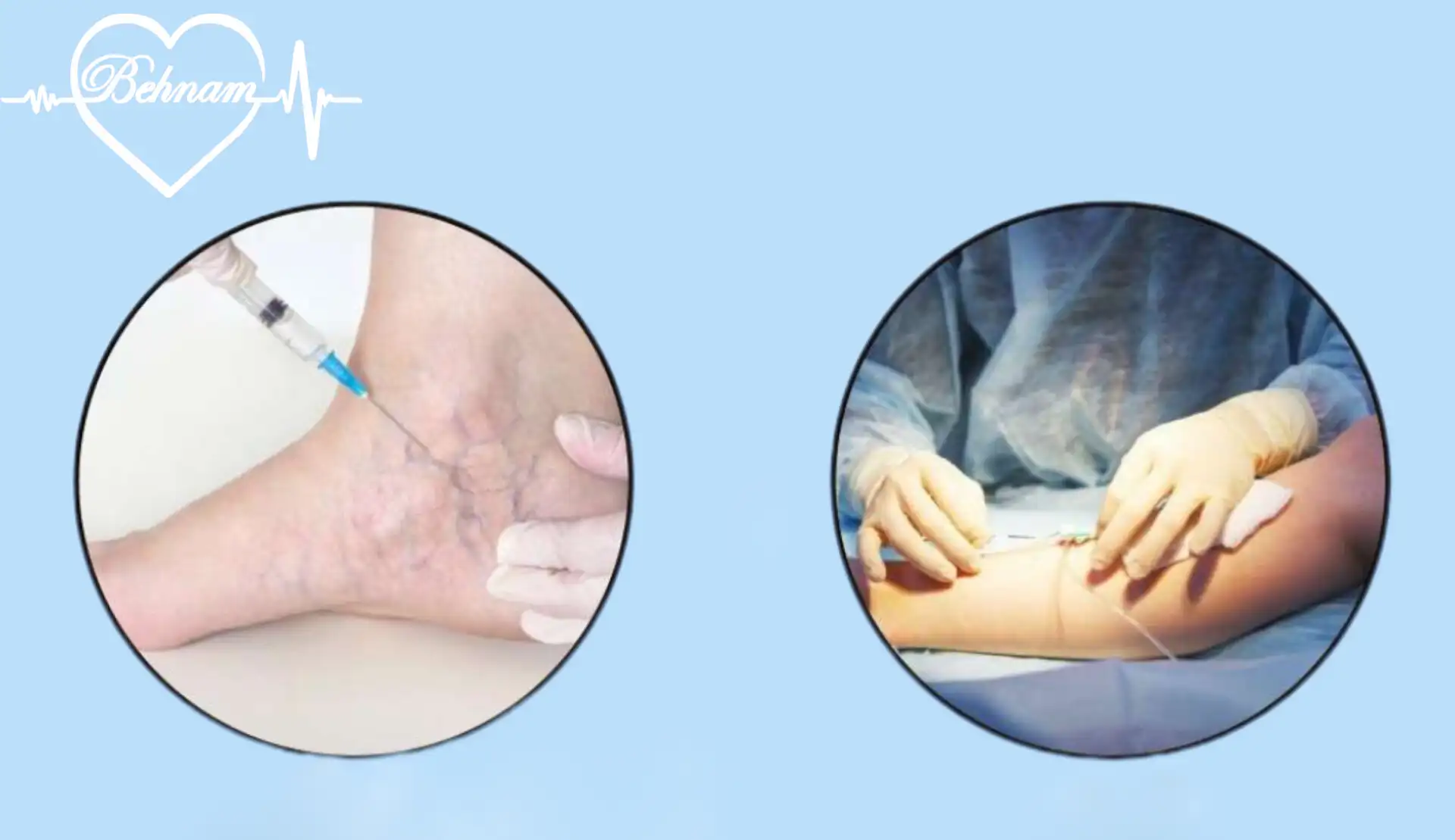
In sclerotherapy a chemical agent (sclerosant) is injected via a thin needle into varicose veins damaging the vein walls and causing them to stick together and close. Once closed blood no longer flows through them and the veins gradually disappear.
Types of Sclerotherapy
Sclerotherapy is typically performed in two ways:
Liquid: The older more common method uses a thin needle to inject liquid sclerosant into the varicose vein. The solution reacts with the vein wall, gradually blocking and eliminating it.
Foam: The chemical is mixed with air to create foam before injection. Foam sclerotherapy has greater contact with vein walls, making it ideal for larger veins and faster results.
How Sclerotherapy is Performed
The treatment involves:
Preparation: The area is cleaned, sterilized and local anesthesia is applied.
Injection: A specialist injects the liquid or foam sclerosant into the varicose veins using a very thin needle.
Vein Closure: The sclerosant irritates the vein walls causing adhesion and eventual closure.
Advantages and Disadvantages of Sclerotherapy
The benefits that can be mentioned for sclerotherapy:
Minimally invasive: No surgery or incisions, performed without pain or bleeding
Suitable for small to medium veins and spider veins
Lower cost compared to some other treatments
Quickly improves the unsightly appearance of varicose veins
The disadvantages of this treatment are:
Possible bruising and pain at the injection site
May require multiple sessions
Rare complications like blood clots, vein inflammation or skin discoloration
Laser Therapy
Laser therapy is performed in two forms: surface and endovascular (deep).
Surface Laser Therapy
Used for small, superficial veins or spider veins. Laser beams are directed through the skin to close and eliminate the veins.
Endovascular (Internal) Laser Therapy
Used for larger, deeper veins. Local anesthesia is applied and a laser fiber is inserted via a thin needle into the varicose vein. Heat causes adhesion and closure of the vein.
Advantages and Disadvantages of Laser Therapy
The benefits of laser therapy can be listed as follows:
Minimally invasive, no incisions or stitches
Low, controllable pain
Highly effective, completely eliminates varicose veins
Fewer, milder side effects compared to surgery
The disadvantages of laser therapy include the following:
Higher cost, may not be covered by insurance
May require repeat sessions in some cases
Comparison of Sclerotherapy and Laser Therapy
Key factors important to patients:
Cost: Endovascular laser therapy is more expensive than sclerotherapy which has lower costs compared to some treatments.
Side Effects: Both have possible mild, temporary side effects.
Recovery Time: Sclerotherapy has a moderate recovery of a few weeks. Surface laser has a short recovery of a few days; endovascular laser has short to moderate recovery depending on severity.
Results: Both are effective but laser therapy typically offers longer-lasting results.
Application: Sclerotherapy is used for small to medium shallow veins like spider veins. Surface laser treats superficial veins; endovascular laser eliminates large, deep veins like rope-like varicose veins.
Suitable Candidates: Some treatments are unsuitable due to underlying conditions. For example sclerotherapy is not recommended for patients with vascular clots, advanced age or mobility issues. Laser therapy may pose risks for those with bleeding disorders or chronic skin conditions.
Combined Sclerotherapy and Laser Treatment
Combining sclerotherapy and laser can be an effective treatment. A study titled Laser Treatment for Varicose Veins After Foam Sclerotherapy proved that this combination yields better results for small varicose veins.
Advantages of Combined Treatment:
High efficacy: Greater symptom improvement
Short recovery period
Minimally invasive: No hospitalization, incisions, bleeding or general anesthesia
The specialist decides on combined treatment and may require repeat sessions for optimal results.
Conclusion
Both methods differ in cost, recovery, results and application. Cost may be a priority for one patient while recovery time matters more to another. No method is universally better. Some patients are not suitable candidates. Ultimately the specialist doctor chooses the best treatment based on varicose vein type, severity and patient condition.
FAQs
Which method is more painful?
Both are performed with local anesthesia and cause minimal pain.
Can both methods be combined?
Yes, in some cases the specialist may combine sclerotherapy and laser based on diagnosis.
Which method is suitable for which type of varicose veins?
Sclerotherapy is used for small, shallow veins like spider veins. Endovascular laser treats large, deep veins like rope-like varicose veins.
Which method has faster recovery?
Sclerotherapy recovery is usually faster (days to weeks). Endovascular laser (EVLT) recovery ranges from weeks to months.
What are the side effects of each method?
When performed by a specialist serious side effects are rare.
Sclerotherapy side effects: Bruising, swelling, itching, skin discoloration and rarely blood clots.
Laser therapy side effects: Redness, swelling, bruising and rarely skin discoloration.
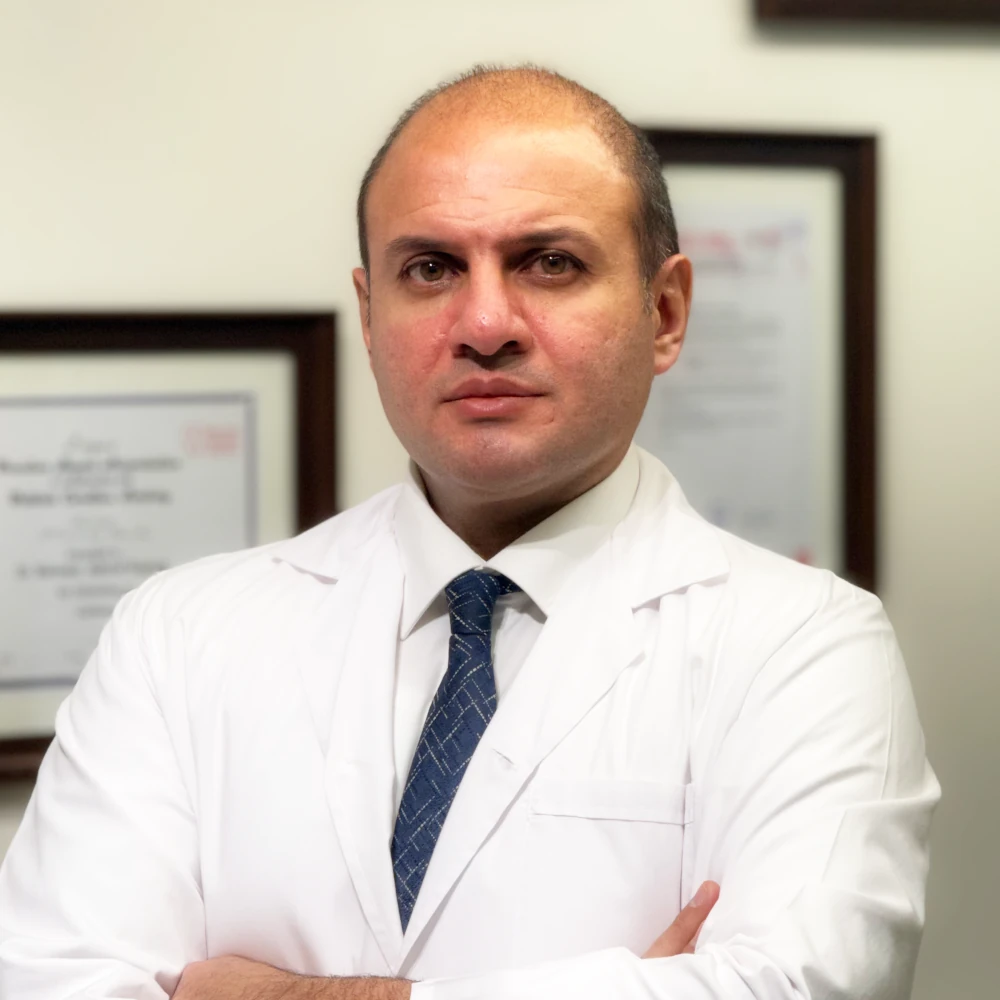
Dr. Behnam Vaghefi holds a fellowship in cardiology and vascular diseases, is a specialist in varicose vein treatment, and is a member of the American and European Heart Associations. This article has been written with the review and approval of Dr. Vaghefi, who is the author of several articles and books on cardiology and vascular diseases, and who has years of experience treating patients in his specialized clinic.
Medical Consultation