
Does diabetes cause varicose veins? Risk factors and complications
Diabetes is considered a risk factor for varicose veins. The coexistence of these two conditions can lead to complications which if not monitored and treated can be dangerous.





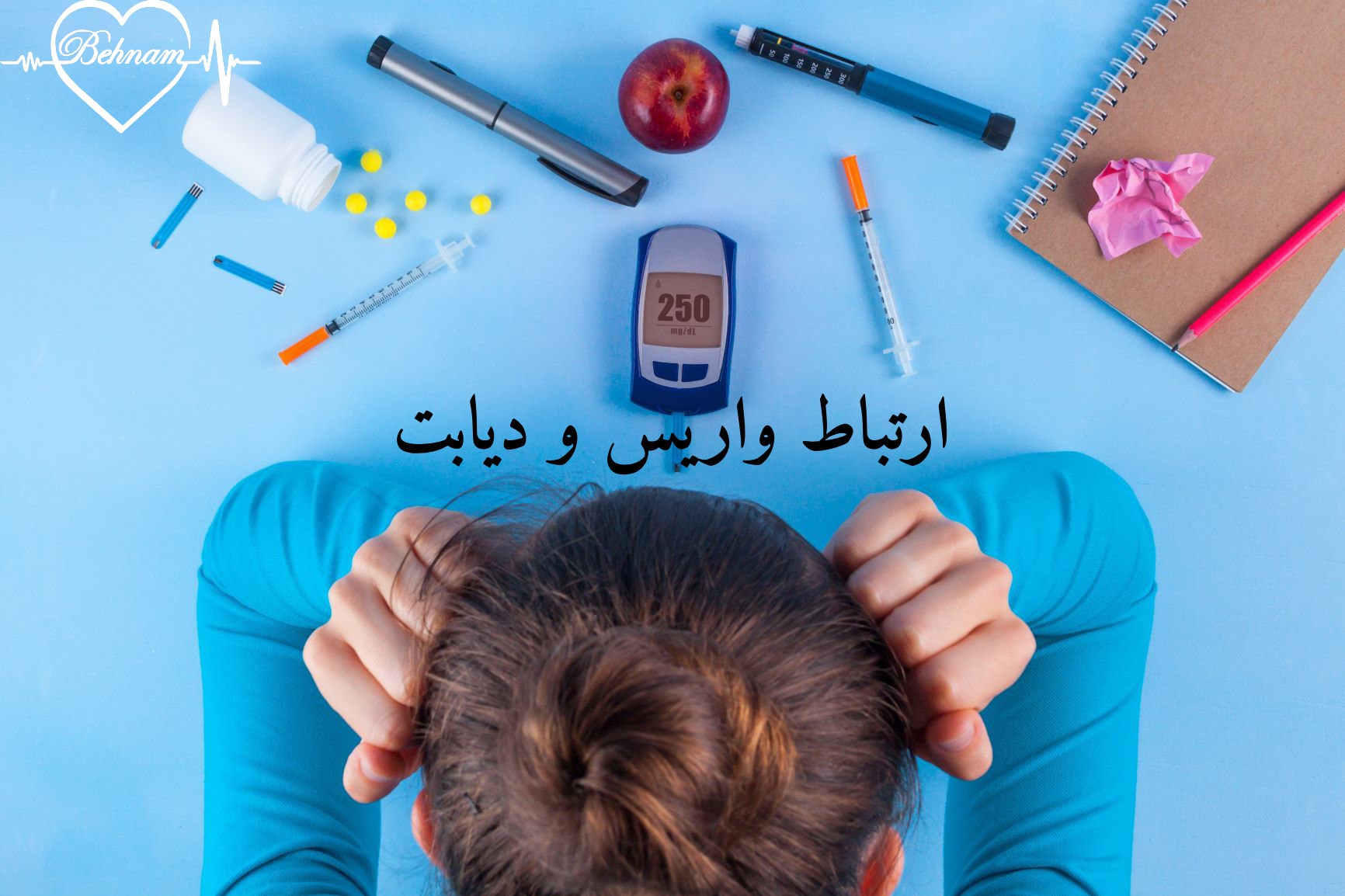
Diabetes is considered a risk factor for varicose veins. The coexistence of these two conditions can lead to complications which if not monitored and treated can be dangerous.
- Diabetes
- What Is the Relationship Between Varicose Veins and Diabetes?
- Risk Factors for Varicose Veins in Diabetic Patients
- Complications of Varicose Veins in Diabetic Patients
- Prevention and Treatment of Varicose Veins in Diabetic Patients
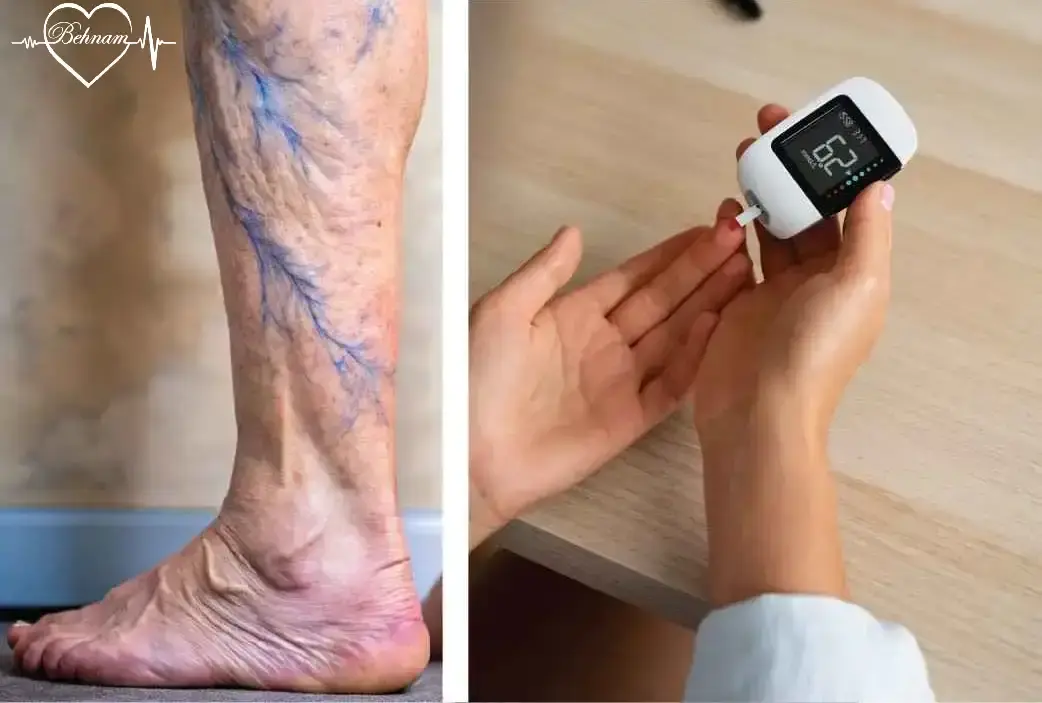
Diabetes and varicose veins are two diseases that can have a strong hidden connection. In varicose veins due to a defect in the vein walls and their valves, blood accumulates in the veins. For this reason veins especially in the legs become swollen and twisted and can cause problems such as pain, fatigue, bleeding, infection and in more severe cases pulmonary embolism.
Diabetes however is a chronic disease in which blood sugar regulation in the body is not done properly. Examining the relationship between these two diseases, factors, complications, prevention and treatment methods are among the topics that will be discussed in this article.
Diabetes
In people with diabetes the body cannot properly regulate and control blood sugar. This disease is generally divided into two types:
Type 1 diabetes: This type occurs when sufficient insulin is not produced in the body.
Type 2 diabetes: In this type the body becomes resistant to insulin and usually sufficient insulin is not produced either.
It should be noted that gestational diabetes, prediabetes and diabetes insipidus are also considered types of diabetes.
Varicose Veins
Inside the veins there are valves called nest valves that prevent blood from returning backward when it moves from the limbs toward the heart. When these valves or vein walls do not work properly for reasons such as congenital defects or pressure, blood accumulates in the veins instead of moving toward the heart. Blood accumulation and clotting cause inflammation and vein enlargement and eventually varicose veins.
If you want to know more about this disease we suggest reading the article What Is Varicose Veins?
What Is the Relationship Between Varicose Veins and Diabetes?
The relationship between varicose veins and diabetes is such that diabetes puts more pressure on blood vessels and increases existing problems in veins. People with diabetes are more at risk of developing varicose veins for these reasons:
Chronic inflammation
Diabetes generally causes chronic inflammation in the body. This inflammation damages vein walls and increases their permeability. As a result, protein and fluids leak out and accumulate around tissues. This issue will make veins prone to becoming varicose.
Vascular damage
Diabetes can damage blood vessels and reduce blood flow in leg veins. This reduced blood flow will contribute to creating or worsening varicose veins.
Nerve damage or neuropathy
Prolonged high blood sugar can damage nerves especially in hands and feet. This damage reduces sensation in hands and feet and the person does not notice wounds. Therefore if these wounds become infected they can damage veins and cause or worsen varicose veins.
In addition the legs cause blood to move to the heart with muscle contraction and expansion and this nerve damage also disrupts the function of this muscle pump and the risk of blood accumulation in veins one of the predisposing factors for varicose veins will increase.
Connective tissue changes
Connective tissue connects and protects various organs and cells of the body. This tissue gives elasticity to veins and supports them. Diabetes causes changes in this tissue that weaken vein walls and their elasticity and as a result veins become prone to dilation and varicose.
Hormonal changes
One of the possible complications of diabetes is hormonal changes. Hormones can cause changes in blood flow and pressure and increase the probability of veins becoming varicose.
Risk Factors for Varicose Veins in Diabetic Patients
If people with diabetes also have the following risk factors the probability of developing varicose veins will be higher:
Obesity
Excess weight and obesity put a lot of pressure on leg veins and increase the probability of them becoming varicose.
Family history and genetics
If a family member or close relatives have varicose veins it will create more risk for the diabetic person.
Age
Elderly and older people with diabetes should be more worried about the probability of developing or worsening varicose veins.
Gender
The risk of varicose veins in women is higher than men due to hormonal changes, pregnancy and menopause.
Prolonged sitting or standing
Having jobs or activities that require prolonged sitting or standing will be dangerous for a diabetic person due to blood accumulation in the legs.
Poor diet
Diabetic people in addition to watching their sugar intake should also be cautious about foods that may predispose to varicose veins. Consuming too much salt, foods containing high fat and cholesterol, not drinking enough water and fluids and not eating enough vegetables and fruits during the day is not a suitable diet for diabetic people.
Lack of sufficient physical activity
Not having enough activity and regular exercise during the day will not only increase the risk of diabetes but will also be a factor in creating other diseases such as varicose veins.
Complications of Varicose Veins in Diabetic Patients
Developing and worsening varicose veins in people with diabetes will have the following complications:
Chronic venous insufficiency
Varicose veins cause blood not to fully return from the legs to the heart and the remaining and clotted blood gradually causes swelling, pain and skin discoloration.
Diabetic ulcers
Since varicose veins reduce blood flow the possibility of creating diabetic ulcers also increases.
Infection
As mentioned in previous sections due to nerve damage, created wounds may not heal quickly and lead to serious and dangerous infections.
Thrombosis or pulmonary embolism
Blood clots formed in deep leg veins due to varicose veins can move toward the lungs and increase the probability of pulmonary embolism which is life-threatening and deadly.
Therefore given the complications and problems mentioned, treating varicose veins in diabetic people is very important.
Prevention and Treatment of Varicose Veins in Diabetic Patients
Which varicose veins treatment method is chosen for people with diabetes depends on the doctor's diagnosis and various factors such as disease severity, blood sugar control, diabetic ulcers and medical history. In general two types of treatment can be mentioned:
Preventive treatments for varicose veins
The following solutions can be especially useful for those who intend to prevent varicose veins or whose varicose veins are mild and minor:
Wearing varicose veins stockings
These stockings improve blood circulation and flow and help reduce vein inflammation and swelling. It is better to use these stockings as prescribed by a doctor. For more familiarity with these stockings and how to use them reading the article Varicose Veins Stockings is recommended.Weight control
The more your weight decreases the less pressure on leg veins and it will be effective in preventing and stopping the severity of varicose veins symptoms.Regular exercise
Having suitable activities and varicose veins exercises such as walking and swimming will be useful for diabetic people.Proper diet
Drinking enough water, low salt consumption and foods containing high cholesterol and fat, eating fresh fruits and vegetables like oranges, kiwis, spinach, broccoli, various berries, nuts and seeds is very useful.Foot skin care
Regular examination of foot skin and following up on any type of wound or infection in diabetic people seems essential. Using oil or ointment to prevent dryness and to keep skin moist will be helpful.
Medical and interventional treatments for varicose veins
Today there are more advanced and comfortable methods for treating varicose veins than in the past. Some of these treatments that can be used for people with diabetes according to the doctor's diagnosis and type and severity of varicose veins include:
Laser therapy
In this method, laser and radiation are used superficially or deeply to close varicose veins.Sclerotherapy
In sclerotherapy which is especially widely used in treating spider varicose veins a chemical substance is injected into varicose veins and causes the veins to close.Radiofrequency or RF
It is similar to laser treatment with the difference that radio waves are used instead of radiation to close veins.Surgery
If non-invasive and non-surgical treatments are not effective or in cases where the doctor diagnoses, surgery is used to remove varicose veins.
If you want more information about leg varicose veins treatments, the article Leg Varicose Veins Treatment has fully examined the above treatment methods.
Conclusion
Although there is no direct relationship between diabetes and varicose veins, diabetes can affect the vascular system and veins due to creating inflammation, vascular and nerve damage, hormonal and physical changes. Therefore if you have diabetes, take the risk of developing varicose veins or its treatment seriously.
FAQ
1- Do all diabetic people develop varicose veins?
No. But if they have hereditary or environmental backgrounds of this disease, the risk of developing varicose veins will be higher than others due to the disorder that diabetes generally creates in veins.
2- Is leg varicose veins the only problem that may occur in the legs of people with diabetes?
No. Foot ulcers, infection and gangrene are also among the complications of diabetes.
3- Is varicose veins preventable and treatable?
Yes. With the solutions and treatments we mentioned, this is easily possible.
4- When should you see a varicose veins doctor?
If you are diabetic and have symptoms such as pain, fatigue, swelling and prominent and twisted veins in your leg, you should see a doctor as soon as possible.
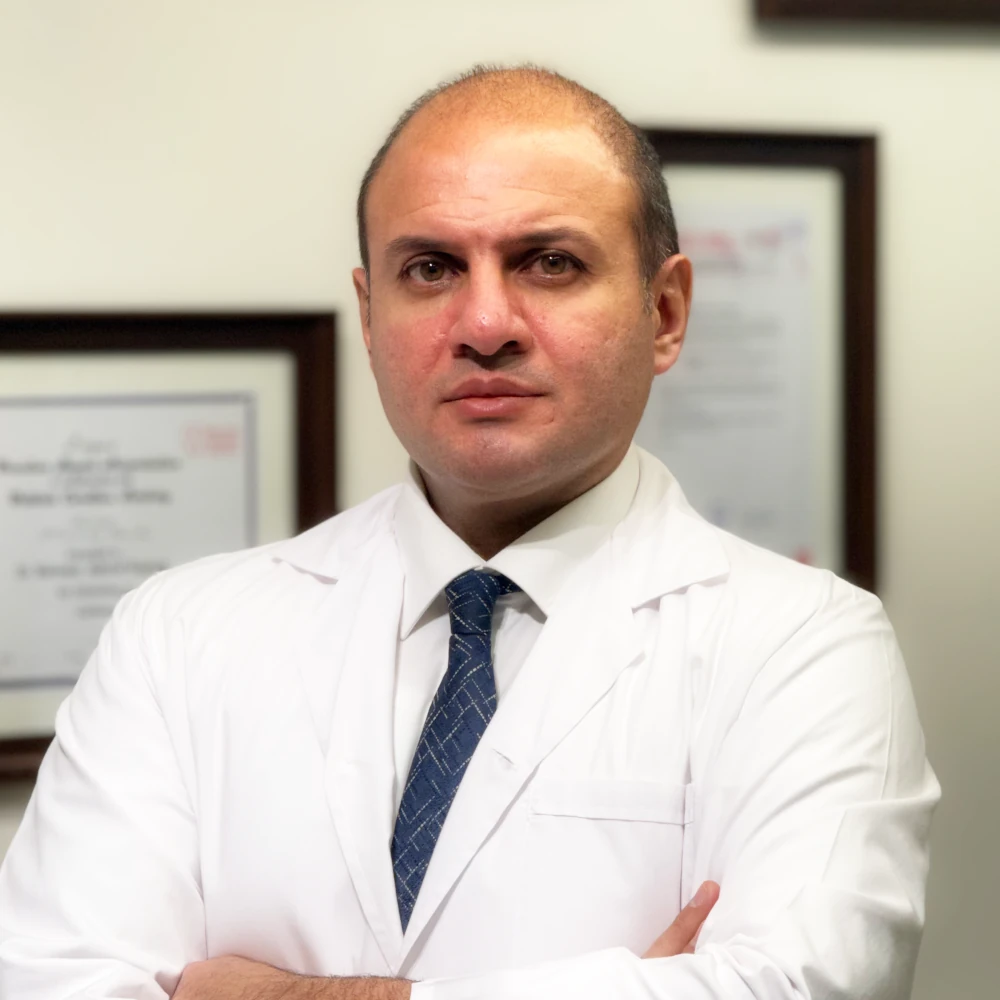
Dr. Behnam Vaghefi holds a fellowship in cardiology and vascular diseases, is a specialist in varicose vein treatment, and is a member of the American and European Heart Associations. This article has been written with the review and approval of Dr. Vaghefi, who is the author of several articles and books on cardiology and vascular diseases, and who has years of experience treating patients in his specialized clinic.
Medical Consultation