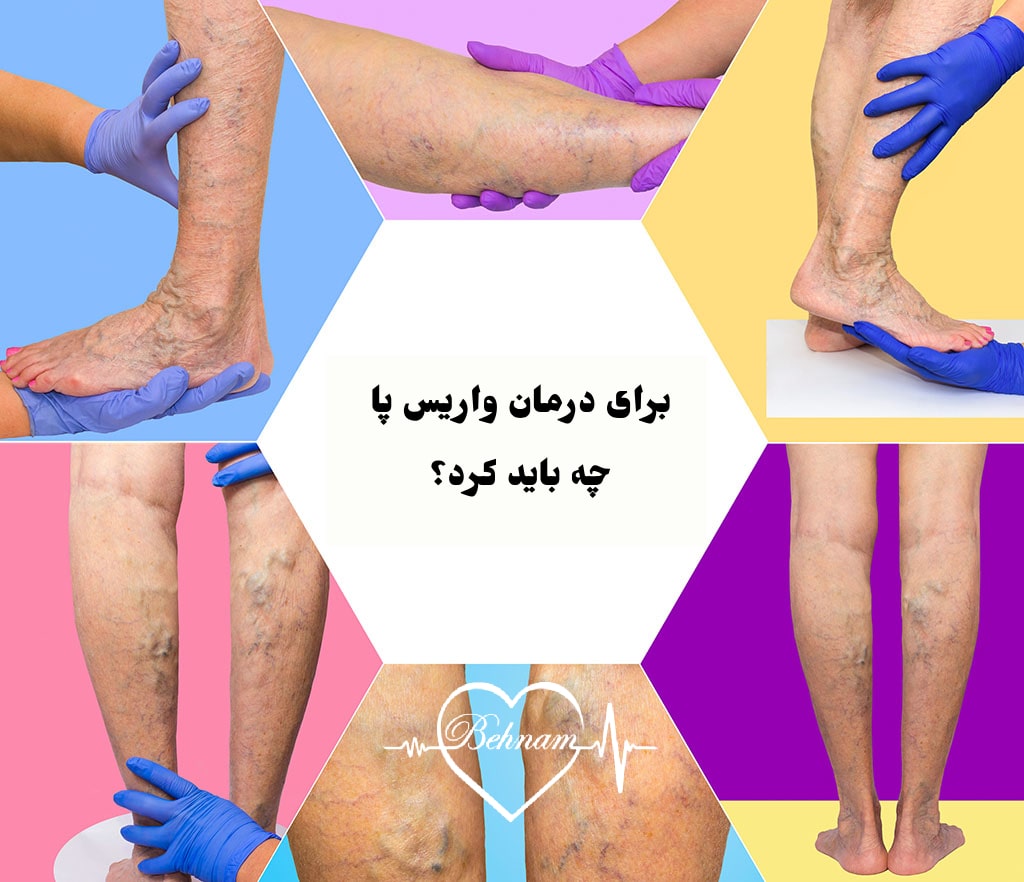
What should be done to treat varicose veins?
If you have developed varicose veins in your legs and want to know where to start and the best things you can do we recommend reading this article.



If you have developed varicose veins in your legs and want to know where to start and the best things you can do we recommend reading this article.
Perhaps if you had asked a few years ago about the treatment of varicose veins in the legs the answer would have been simply to see a doctor and undergo surgery. In the past which is not very far from us and when the equipment and treatments for leg varicose veins were not as widespread and convenient as they are today many people suffering from this condition hesitated even to ask this question themselves.
This was because enduring surgery and bleeding, hospitalisation, long recovery periods and even scarring were among the problems that not everyone was willing to undergo and tolerate.
However today due to medical advancements and the availability of various and convenient treatments for leg varicose veins you can easily manage it and overcome this condition with less time and effort. Of course choosing the treatment and managing varicose veins depends on the symptoms, the patient's condition, cost, potential unpleasant side effects, insurance reimbursement and the doctor's opinion.
What Are Varicose Veins?
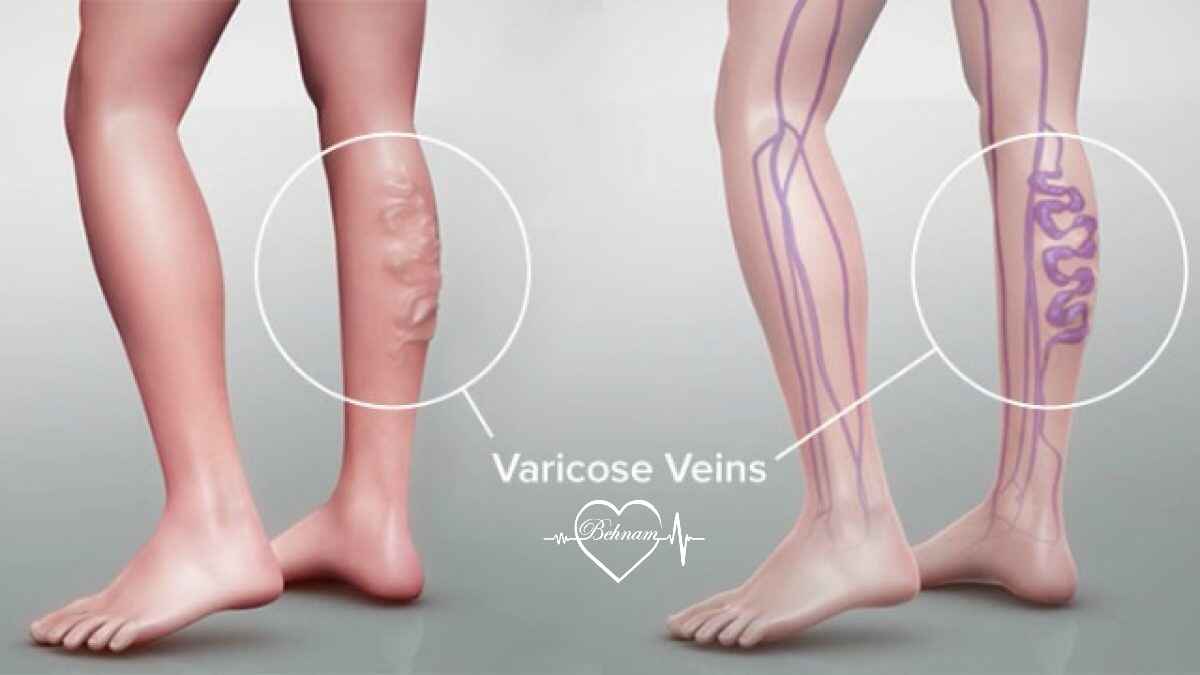
Varicose veins are a type of venous disease caused by weakness and insufficiency in the leg veins and their valves known as bicuspid valves which prevent blood from flowing backward. As you know the function of veins is to return blood from the extremities to the heart. Any disruption in this process can lead to blood pooling, inflammation and swelling resulting in varicose veins.
Essentially this condition indicates a problem with the pumping of blood from the limbs back to the heart. When this process is incomplete the remaining blood pools in the veins, exerting pressure on their walls and leading to the appearance of varicose veins symptoms. Genetics, age, pregnancy, obesity and prolonged standing or sitting are among the most significant factors that can cause varicose veins.
Symptoms of Varicose Veins
Sometimes this condition may not present any specific symptoms beyond the unsightly appearance of blue or purple, bulging veins under the skin, similar to spider veins.
Early symptoms you might feel before the condition progresses include:
Feeling of heaviness or fatigue in the legs
Itching or burning around the varicose veins
Pain and muscle cramping in the legs
Worsening of symptoms when standing
As the disease progresses and becomes chronic the symptoms become more severe and the risk of blood clots and related complications increases:
Skin discoloration
Dry skin
Leg ulcers
Wound infections
The Treatment Pathway for Varicose Veins
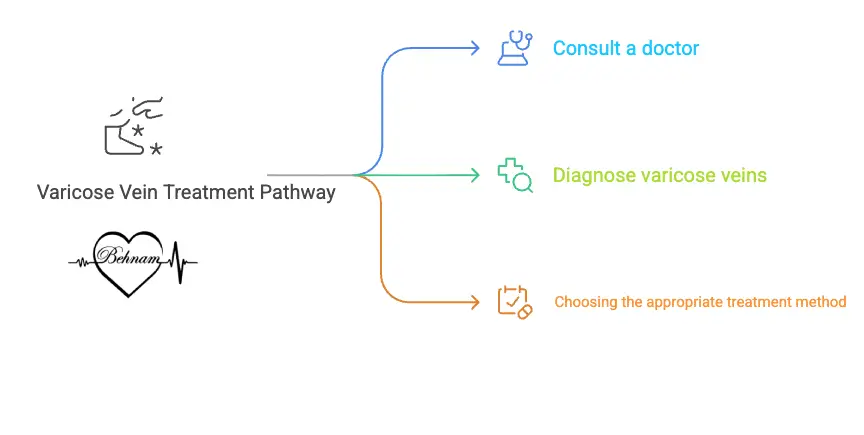
Nowadays there is far less reason to worry about treating this condition. If you develop varicose veins and want to know what to do follow these steps:
1. Consulting a Doctor
Many patients attempt to treat this condition with home remedies and traditional methods. However these approaches are primarily preventive and palliative. Especially in cases of advanced or chronic varicose veins these strategies are often ineffective and cannot eliminate the varicose veins.
Consulting a good varicose veins doctor, meaning a physician specialised in cardiology and vascular diseases who also has sufficient experience in treating varicose veins in the legs is considered the first and most important step in treating varicose veins in the legs.
2. Diagnosing Varicose Veins
Varicose veins can vary in type depending on their severity, depth and the specific veins affected. Therefore the first step in treatment is an accurate diagnosis. A varicose veins specialist will assess and determine the type and severity of your condition through a physical examination and using ultrasound and other tests specific to diagnosing venous disease. Without an accurate diagnosis even the best treatments will be ineffective!
3. Choosing the Right Treatment Method
Selecting a treatment method for varicose veins should be done by a specialist. Treatments include:
Lifestyle Modifications
Implementing these strategies and activities can significantly help prevent or alleviate varicose veins symptoms:
Regular Exercise: Light activities like walking, cycling, yoga, swimming and specific exercises for varicose veins help enhance blood circulation in the veins.
Weight Loss: Excess weight puts significant pressure on the leg veins, increasing the risk of varicose veins.
Using Compression Stockings: These stockings apply consistent pressure to the legs, improving blood circulation in the veins. Choosing the right compression stockings is crucial; you must consult your doctor or a specialist as ill-fitting stockings can be harmful rather than helpful.
Elevating Your Legs: Placing your legs on a pillow so they are above heart level several times a day helps reduce swelling and pressure on the veins.
Avoiding Prolonged Sitting or Standing: It's best to change your body position every 30 minutes. Take a few steps or if possible elevate your legs as described above.
Healthy Diet: A diet rich in fiber, vitamins, whole grains, adequate water intake and avoiding high-fat, salty and processed foods can contribute to vascular health.
Pharmacological Treatment
Your doctor may prescribe non-steroidal anti-inflammatory drugs (NSAIDs) to reduce pain and inflammation as well as medications that strengthen vein walls to improve blood circulation. Taking these medications can aid in your varicose veins treatment.
Medical Interventions
In the past surgery which is an invasive procedure, was the only medical treatment for varicose veins. Today there are various minimally invasive treatments available. A varicose veins specialist will choose the best option based on the type of varicose veins and the patient's condition:
Laser Treatment (Endovenous Laser Ablation - EVLA): Laser treatment for varicose veins is performed either superficially or deeply, depending on the depth of the affected veins. This method uses laser energy to seal off and treat varicose veins.
Sclerotherapy: Sclerotherapy is an injectable procedure where a sclerosant agent is injected into the varicose veins using a fine needle to treat them.
Phlebectomy: Phlebectomy treatment involves making small, superficial incisions in the skin to remove the varicose veins. Unlike traditional surgery, it does not require hospitalization, general anesthesia or sutures.
Conclusion
Varicose veins are a condition where it is best to consult a specialist before the symptoms progress and become chronic. Selecting an experienced vascular specialist, obtaining an accurate diagnosis, implementing lifestyle changes and pursuing appropriate pharmacological and medical treatments are the essential steps to take when facing this disease.
FAQs
1. Is varicose veins treatment painful?
Most modern treatments for varicose veins involve minimal or mild discomfort. The use of local anesthesia ensures you don't feel pain during the procedure. Afterwards you might experience some slight soreness or bruising but these symptoms are temporary and not troublesome.
2. Is varicose veins treatment permanent?
Available treatments can completely eliminate existing varicose veins and reduce symptoms. However no treatment can prevent new varicose veins from forming if you do not maintain a healthy lifestyle.
3. Can home remedies provide a definitive cure for varicose veins?
Home remedies can only assist in prevention and symptom relief. If you already have varicose veins you can only treat and eliminate them through medical intervention and professional treatment.
4. Is exercise beneficial for treating varicose veins?
Exercises like walking, swimming and light cycling can help improve blood circulation, promote vein health and reduce varicose veins symptoms. However exercise alone cannot completely eliminate varicose veins and you will likely need to combine it with medical procedures.
5. What is the best treatment for varicose veins?
The treatment for each patient is determined based on the type and severity of their varicose veins and their overall health condition. Therefore it is impossible to definitively state which treatment is the absolute best. For one patient sclerotherapy might be the optimal choice while for another laser treatment might be more suitable.
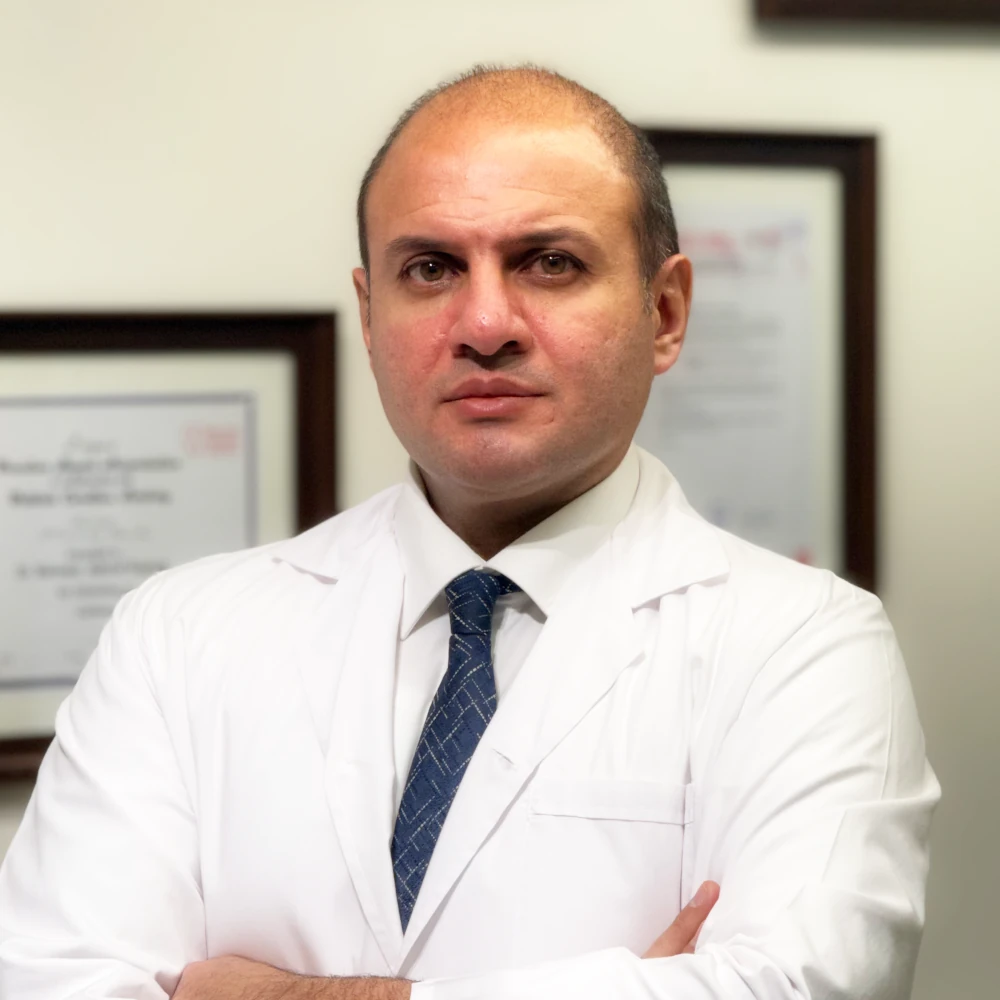
Dr. Behnam Vaghefi holds a fellowship in cardiology and vascular diseases, is a specialist in varicose vein treatment, and is a member of the American and European Heart Associations. This article has been written with the review and approval of Dr. Vaghefi, who is the author of several articles and books on cardiology and vascular diseases, and who has years of experience treating patients in his specialized clinic.
Medical Consultation
سلام،آیا مشهد هم دستگاه لیزر جهت از بین بردن توده عروقی رو داره
سلام و وقت بخیر متاسفانه ما اطلاعی از این که در مشهد چنین امکانی باشه یا خیر اطلاعی نداریم اما در صورتی که نیاز به درمان بیماری عروقی خودتون دارید به راحتی می تونید از مشهد تعیین وقت کنید و سپس در روز معین شده در صورت تمایل توسط دکتر واقفی در تهران مورد معالجه قرار بگیرید، همان طور که بسیاری از بیماران ما از شهرستان نوبت و تحت معالجه قرار می گیرند.